
Cash For Damaged Cars: How To Turn a Wreck Into Quick Money
Table of Contents
- 1. What Does “Cash For Damaged Cars” Really Mean?
- 2. Types of Damage Buyers Will Still Accept
- 3. Who Buys Damaged Cars?
- 4. How to Prepare Your Damaged Car for Sale
- 5. How Damaged Car Values Are Calculated
- 6. Steps to Get Cash for Your Damaged Car
- 7. Documents You Need Before Selling
- 8. Common Mistakes to Avoid
- 9. Frequently Asked Questions About Cash For Damaged Cars
- 10. Conclusion: Is Getting Cash For Your Damaged Car Worth It?
1. What Does “Cash For Damaged Cars” Really Mean?
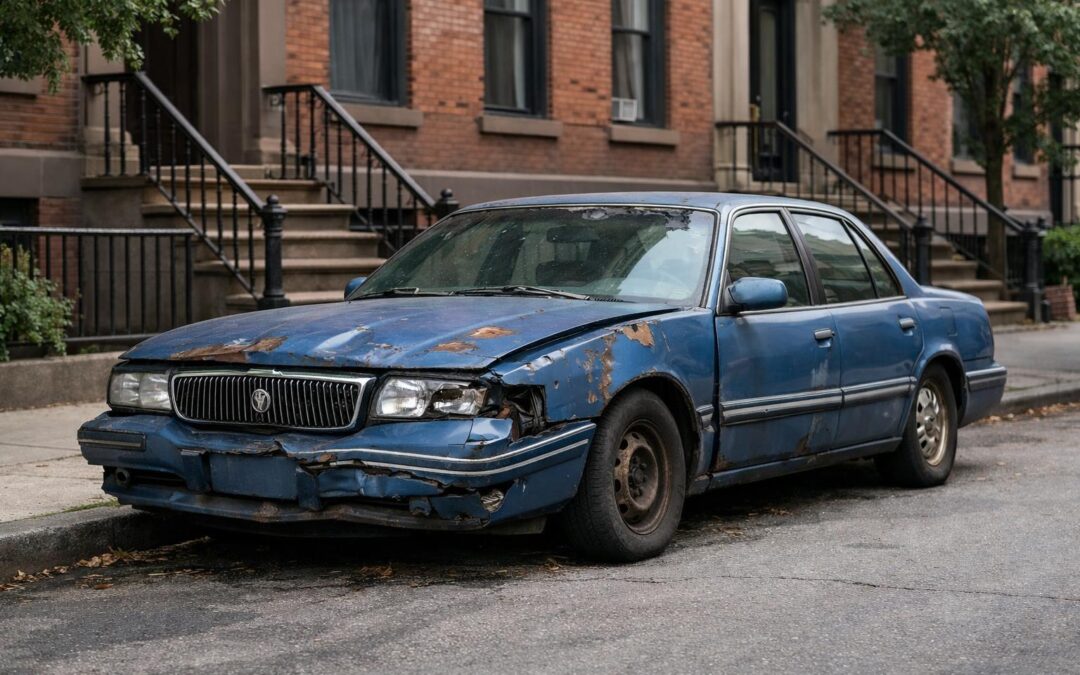
The phrase cash for damaged cars refers to services and buyers that purchase vehicles in less-than-perfect condition and pay you money, often on the same day. These cars might have cosmetic flaws, mechanical failures, accident damage, flood damage, or may be declared a total loss by an insurance company.
Instead of spending time and money repairing the vehicle, owners can sell it directly to a buyer who specializes in damaged or junk cars. In many cases, these buyers will tow the vehicle away and handle paperwork, making the process quick and convenient.
The main idea is simple: even if a car cannot be safely or economically repaired, it still has value in the form of parts and scrap metal, which is why specialized buyers are willing to pay cash.
2. Types of Damage Buyers Will Still Accept
Many car owners underestimate how much damage a vehicle can have and still be worth money. Different buyers specialize in different levels and types of damage, including:
- Cosmetic damage – Scratches, dents, faded paint, minor body damage, or interior wear and tear.
- Mechanical issues – Transmission problems, engine failures, or major component breakdowns.
- Collision damage – Structural damage after an accident, deployed airbags, bent frames, or missing panels.
- Non-running cars – Vehicles that will not start, have severe engine issues, or have been off the road for years.
- Flood or fire damage – Cars affected by severe water or fire, often considered total losses by insurers.
- Salvage title vehicles – Cars officially written off but still valuable for parts or metal.
Even when a vehicle looks like a total wreck, specialized buyers can often extract usable parts, recycle materials, or rebuild and resell the car. This is why it is almost always possible to get some amount of cash for a damaged car.
3. Who Buys Damaged Cars?
When you are looking for cash for damaged cars, you will typically encounter several categories of buyers. Each type offers different advantages and potential payouts.
-
Local junkyards and scrapyards
These businesses purchase vehicles primarily for scrap metal and sometimes for reusable parts. They usually pay based on weight, make, model, and metal prices, and many offer towing.
-
Specialized damaged car buyers
Some companies focus specifically on buying damaged, wrecked, or non-running cars. They often provide instant offers and handle the tow and paperwork.
-
Auto recyclers and dismantlers
These buyers strip cars for parts, sell usable components, and recycle the remaining materials. They may pay more for models with high-demand parts.
-
Independent mechanics and rebuilders
Skilled individuals or small shops sometimes buy damaged vehicles to repair and resell them, especially if the damage is repairable at a low cost.
-
Private buyers
Some private buyers look for project cars or cheap vehicles they can fix themselves. This route may take longer but can sometimes yield higher offers.
Choosing the right type of buyer depends on the severity of damage, how quickly you need cash, and how much effort you are willing to invest in marketing and negotiating.
4. How to Prepare Your Damaged Car for Sale
Preparation can significantly affect the cash you receive for a damaged car. Even simple steps can increase buyer interest and give you more bargaining power.
-
Gather information about the vehicle
Note the year, make, model, mileage, Vehicle Identification Number (VIN), and a detailed description of the damage and condition.
-
Remove personal belongings
Clear out documents, electronics, valuables, and personal items. Buyers expect an empty car and will not take responsibility for lost items.
-
Collect keys and accessories
Have all keys, key fobs, and any removable accessories (such as extra floor mats or spare tires) ready. A complete set can make the car more attractive.
-
Document the damage
Take photos and write a brief description of all visible issues. This helps when getting quotes online or over the phone and reduces surprises later.
-
Check local rules about plates and registration
In some regions, you must remove license plates or return them to the authorities after the sale. Know the process in your area to avoid fines.
You do not need to invest in major repairs. In the damaged car market, transparency and organization matter more than appearance, especially when a car cannot be easily restored.
5. How Damaged Car Values Are Calculated
Understanding what affects the cash offer for a damaged car helps you recognize fair prices and negotiate more effectively. Different buyers may use varying formulas, but most consider several core factors.
| Factor | How It Affects Value |
|---|---|
| Make, model, and year | Popular and newer models often have higher demand for parts and may fetch higher offers. |
| Overall condition | Extent of mechanical, cosmetic, and structural damage influences whether the car is repairable or only good for scrap. |
| Mileage | Lower mileage can increase the value of reusable parts such as engines, transmissions, and electronics. |
| Title status | Clean, salvage, or rebuilt titles change how easily the vehicle can be resold and affect the price. |
| Market demand for parts | Cars with high-demand parts (for example, popular trucks or imports) may bring better offers. |
| Current scrap metal prices | If the vehicle is mainly sold for scrap, metal prices heavily influence what buyers will pay. |
| Completeness of the vehicle | Missing major components like engines, catalytic converters, or wheels can reduce the offer. |
| Towing distance and location | Remote locations or long towing distances may lower offers due to higher transport costs. |
Most buyers will ask detailed questions about these elements before giving you a quote. Being honest and accurate helps you receive realistic offers and avoid renegotiation when the tow truck arrives.
6. Steps to Get Cash for Your Damaged Car
The process of getting cash for a damaged car is usually straightforward. Following a clear step-by-step approach can help you maximize your return and minimize stress.
-
Assess your car’s condition
Make an honest list of all issues, including any previous accidents, current problems, and whether the car starts or drives.
-
Gather your documents
Locate your title, registration, and identification. If you have maintenance or repair records, set them aside as well.
-
Request multiple quotes
Contact several buyers such as local junkyards, damaged car specialists, or recyclers. Provide the same accurate information to each for fair comparison.
-
Compare offers carefully
Look at the total offer including free towing, any fees, payment method, and how quickly they can pick up the vehicle.
-
Schedule pick-up or drop-off
Arrange a convenient time. Confirm whether you must be present, what documents to bring, and how payment will be issued.
-
Complete the paperwork
Sign over the title correctly, fill in mileage if required, and follow local regulations for bill of sale and plate removal.
-
Get paid and finalize the sale
Receive your cash or certified payment, double-check the amount, and keep copies of any signed documents for your records.
By following these steps, you can move from owning a nonfunctional car to having cash in hand with minimal hassle.
7. Documents You Need Before Selling
Paperwork is a critical part of any vehicle sale, even when dealing with wrecked or non-running cars. Requirements vary by region, but certain documents are commonly requested by buyers.
-
Vehicle title
The title proves ownership and allows you to legally transfer the car to a buyer. If the title is lost, you may need to request a replacement from your local motor vehicle authority.
-
Photo identification
A valid driver’s license or government-issued ID is usually necessary to complete the transaction.
-
Registration document
While not always required, current or expired registration can help verify ownership and the vehicle’s details.
-
Bill of sale
Some regions require a bill of sale for record-keeping and tax purposes. Buyers may provide a template or ask you to sign a simple form.
-
Release of liability form
This document, where available, notifies authorities that you no longer own the vehicle and helps protect you from future tickets or legal issues involving the car.
-
Loan payoff letter (if applicable)
If the car has an active loan, you may need documentation from the lender showing the payoff amount or confirming that the lien is released.
Always check local rules before finalizing a sale, as some areas impose specific requirements for damaged or salvage vehicles.
8. Common Mistakes to Avoid
When trying to get cash for damaged cars, owners sometimes make avoidable errors that reduce their payout or create complications later. Being aware of these pitfalls helps you sidestep them.
-
Accepting the first offer without comparison
Different buyers may value your car differently. Obtaining at least two or three quotes can reveal a significant difference in offers.
-
Withholding or hiding damage
Failing to mention problems may lead buyers to reduce their offer upon inspection or refuse the car altogether.
-
Ignoring towing and hidden fees
Some buyers offer a higher price but charge for towing or paperwork. Always ask if the quote includes all costs.
-
Not transferring ownership properly
If you do not sign the title correctly or submit a release of liability where required, you might remain legally tied to the vehicle.
-
Leaving personal data in the car
Documents, mail, and devices can expose private information. Clear everything out before the tow truck arrives.
-
Failing to check identification and paperwork from the buyer
Dealing with reputable, traceable buyers reduces the risk of fraud and ensures a smooth transaction.
Avoiding these mistakes ensures you receive fair cash for your damaged car and complete the transaction safely and legally.
9. Frequently Asked Questions About Cash For Damaged Cars
1. Can I sell a car that does not run?
Yes. Many cash for damaged cars buyers specialize in non-running vehicles. They typically provide towing and assess the value based on parts, scrap metal, and overall condition. In many cases, a non-running car still has significant value even if it has been sitting for years.
2. Do I need a title to sell my damaged car?
In most regions, having a title makes the process much easier, as buyers need it to register, scrap, or resell the vehicle. Some areas allow sales without a title under strict conditions, but the offer may be lower and additional forms may be required. Always verify local regulations and ask the buyer what they will accept.
3. Is it better to repair my damaged car or sell it for cash?
The answer depends on repair costs compared to the car’s market value. If repairs exceed or come close to the car’s value, selling for cash is often more sensible. You avoid ongoing expenses such as insurance, storage, and unexpected repairs, and you can put the cash toward a more reliable vehicle.
4. How quickly can I get paid for my damaged car?
Many buyers offer same-day or next-day pickup and payment, especially in urban areas. Once you accept an offer and schedule pickup, you can usually receive cash or a certified payment method when the tow truck arrives and the paperwork is complete.
5. Will I get more money if I part out the car myself?
Dismantling a car and selling parts individually can sometimes yield more total money, but it requires time, tools, storage, knowledge, and effort. You must handle advertising, shipping, and leftover scrap. For many people, accepting a straightforward cash offer is faster and more convenient, even if the total amount is lower.
6. What about insurance when I sell my damaged car?
Before or immediately after the sale, contact your insurance provider to cancel or adjust your policy. If the car is no longer in your possession, you generally do not need to keep it insured. Be sure that ownership has been properly transferred and, if required, that a release of liability has been filed with the appropriate agency.
7. Do I have to fix small issues before selling?
You do not need to make repairs for most cash for damaged cars buyers. They expect problems and typically purchase vehicles as-is. Minor, inexpensive fixes might slightly improve offers with private buyers, but investing heavily in repairs on a severely damaged car rarely pays off.
8. Can I sell a damaged car with a loan still on it?
Selling a vehicle with an outstanding loan is possible but more complex. Usually, the lender holds the title, so you need to coordinate the sale with them, obtain a payoff amount, and ensure the loan is settled as part of the transaction. Some buyers are familiar with this process and can guide you through it.
9. What should I do with my license plates?
Rules for license plates vary by area. Some regions require you to remove and return the plates to the motor vehicle authority, while others allow you to transfer plates to another vehicle. Ask your local agency or consult their guidelines before the sale so you handle the plates correctly.
10. How do I know if an offer is fair?
A fair offer reflects the car’s age, condition, completeness, and local demand. Comparing quotes from multiple buyers, understanding scrap prices, and researching approximate values for similar damaged vehicles can help you judge fairness. Be cautious of offers that seem unusually high or low and always ask for a breakdown of how the price was calculated.
10. Conclusion: Is Getting Cash For Your Damaged Car Worth It?
Turning a wrecked or non-running vehicle into cash is often a practical and financially sensible choice. Instead of letting a damaged car occupy space, accumulate repair bills, or lose more value over time, you can convert it into immediate funds.
By understanding the types of damage buyers will accept, knowing who purchases damaged cars, preparing your vehicle and documents, and avoiding common mistakes, you can navigate the process with confidence. Requesting multiple quotes and dealing with reputable buyers ensures that you receive fair value for your car’s remaining worth.
In many situations, choosing a reputable cash for damaged cars service provides a fast, convenient, and stress-free way to move on from a problem vehicle and put money back in your pocket.