
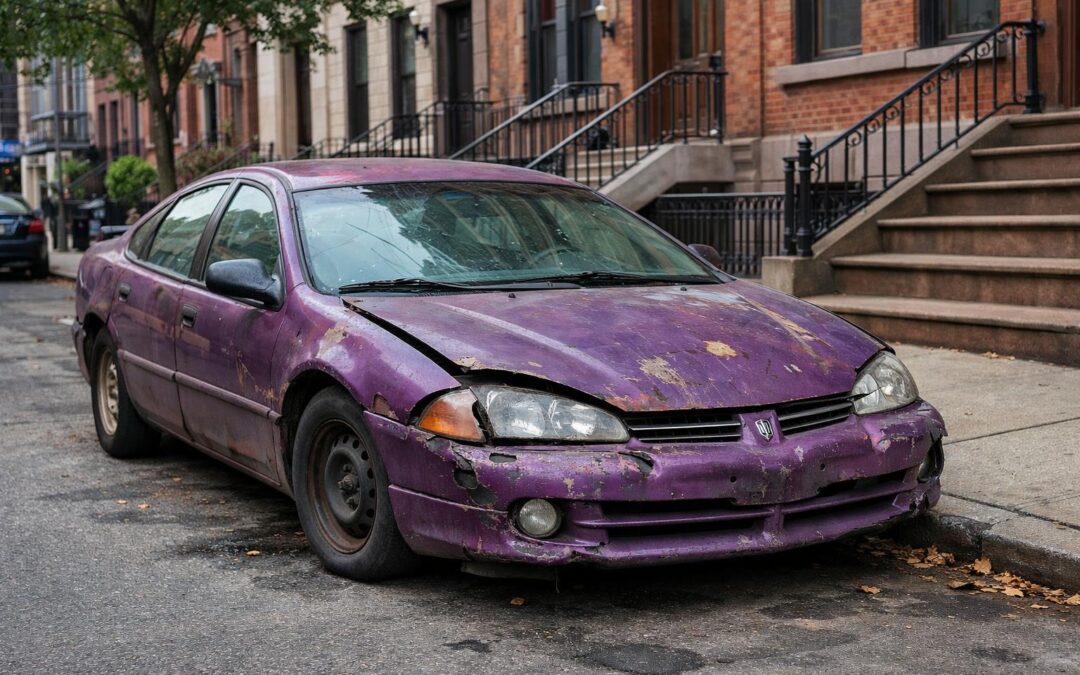
Cash For Broken Cars: How To Turn Your Damaged Vehicle Into Instant Money
Table of Contents
- What Does “Cash For Broken Cars” Really Mean?
- Types of Broken Cars You Can Still Sell for Cash
- How Cash For Broken Cars Services Work Step by Step
- Documents You Need Before Selling a Broken Car
- How To Get the Best Price For Your Broken Car
- Common Myths About Selling Broken Cars
- Environmental Benefits of Selling a Broken Car
- Typical Payouts: How Much Is a Broken Car Worth?
- Frequently Asked Questions About Cash For Broken Cars
- Conclusion: Is Cash For Broken Cars Right for You?
What Does “Cash For Broken Cars” Really Mean?
The phrase cash for broken cars refers to services that buy vehicles in any condition, including those that no longer run, have severe damage, or have failed inspection. Unlike traditional buyers who want clean, driveable cars, these companies specialize in taking over unwanted vehicles quickly and paying you on the spot.
Instead of spending money on repairs, advertising, or storage, you can trade your broken car for cash within a short time frame. The buyer typically handles towing, paperwork, and recycling or parting out the car.
These services are designed for owners who want a simple exit from a bad vehicle situation without haggling, repairs, or lengthy sales processes.
Types of Broken Cars You Can Still Sell for Cash
Many car owners underestimate how much value is left in a damaged or non-running vehicle. Most cash for broken cars buyers accept a wide range of conditions, including:
- Non-running cars that will not start or move.
- Cars with engine or transmission failure where repair costs are higher than the car’s value.
- Accident-damaged or crashed vehicles with body damage, frame damage, or airbag deployment.
- Flood, fire, or hail-damaged cars that insurers often declare total losses.
- High-mileage vehicles that are worn out or unreliable.
- Wrecked shells missing parts such as doors, seats, or interior components.
- Failed inspection or emissions vehicles that are too expensive to bring back into compliance.
- Unwanted project cars that were never completed or restored.
As long as the car has some combination of metal, parts, and recyclable materials, it usually has a cash value to the right buyer.
How Cash For Broken Cars Services Work Step by Step
Most cash for broken cars transactions follow a similar, straightforward process. Understanding each step helps you prepare and avoid delays.
1. Requesting a Quote
You begin by contacting a buyer or service and providing details about your car. They use this information to estimate how much they can pay.
Expect to share:
- Year, make, and model of the vehicle.
- Approximate mileage.
- Vehicle Identification Number (VIN), if available.
- Overall condition and any major damage.
- Whether the car starts, drives, or is completely dead.
2. Receiving an Offer
After reviewing your information, the buyer makes a cash offer. Some offers are instant, while others require a short review period. The offer usually includes:
- The total cash price for your broken car.
- Confirmation of free towing or any pick-up charges, if applicable.
- Any conditions, such as having a clear title or valid ID.
3. Scheduling Pick-Up
If you accept the offer, you schedule a pick-up time that works for you. Many services offer same-day or next-day collection, especially in urban and suburban areas.
During this stage, confirm:
- Exact time window and address for pick-up.
- Who needs to be present.
- What documents you must have ready.
4. Vehicle Inspection and Paperwork
When the tow truck arrives, the driver does a quick inspection to verify the car’s condition matches what you described. Minor differences usually do not affect the offer, but major undisclosed damage might.
You then sign the necessary paperwork to transfer ownership, such as the title or release of interest form, depending on local laws.
5. Getting Paid on the Spot
Once paperwork is complete, you receive payment, often in cash or check. The vehicle is loaded and removed from your property.
The entire process can take less than an hour at pick-up, turning a problem vehicle into money quickly and simply.
Documents You Need Before Selling a Broken Car
Having the right documentation ready speeds up the sale and prevents legal issues. While requirements vary by region, the following items are commonly requested for cash for broken cars transactions:
- Vehicle Title in your name, signed where required.
- Valid Photo ID such as a driver’s license or state ID.
- Registration if available, to confirm details.
- Keys, even if the car does not start (not always mandatory, but helpful).
- Any lien release paperwork, if there was a loan on the car.
If you have lost the title, many buyers can guide you through the steps to obtain a replacement or buy the vehicle under alternative rules, depending on regional regulations.
After the sale, remember to remove your license plates where required and cancel your insurance to avoid future fees.
How To Get the Best Price For Your Broken Car
Even though your car is damaged, you can still influence how much cash you receive. Use the following strategies to maximize your payout:
Be Honest and Detailed
Provide accurate information about the car’s condition, mileage, and damage. Detailed descriptions help buyers estimate the true salvage or parts value and make stronger offers.
Gather and Present All Parts
If you have extra parts, spare tires, or components removed during repairs, include them with the car. A more complete vehicle is typically worth more.
Get Multiple Offers
You are not limited to the first quote. Collect offers from several cash for broken cars services, local salvage yards, and private buyers. Even a small difference in price can be worthwhile.
Know Your Vehicle’s General Value
Understanding a rough range for your vehicle’s scrap and parts value helps you recognize fair offers. Consider age, weight, and whether it is a common or rare model.
Be Ready With Paperwork
Being organized demonstrates you are serious and can complete the sale quickly. Some buyers pay slightly better when they know the transaction will be smooth and fast.
Common Myths About Selling Broken Cars
Misconceptions can stop car owners from taking advantage of cash for broken cars services. Here are some common myths and the reality behind them:
-
Myth: A non-running car is worth nothing.
Reality: Even non-running cars contain valuable metal, parts, and recyclables. Most vehicles have a minimum scrap value. -
Myth: You must repair the car before selling it.
Reality: Cash for broken cars buyers expect damage and non-running conditions. Repairs are not required in most cases. -
Myth: Towing fees will erase your profit.
Reality: Many buyers include free towing in their offers, so you get the full payment without transportation costs. -
Myth: Only very old cars qualify.
Reality: Newer cars with major damage, such as engine failure or severe accidents, are often ideal candidates. -
Myth: The process is complicated and time-consuming.
Reality: Most transactions are finished within a couple of days, and pick-up visits are often under an hour.
Environmental Benefits of Selling a Broken Car
Choosing a cash for broken cars service is not just financially practical; it is also environmentally responsible. Properly processing a damaged vehicle can significantly reduce waste and pollution.
Recycling Metals and Materials
Modern vehicles contain large amounts of steel, aluminum, and other metals that can be recycled into new products. Recycling reduces the need for new mining and conserves natural resources.
Safe Fluid and Battery Disposal
Broken cars often contain engine oil, coolant, fuel, brake fluid, and batteries. Professional dismantlers remove and handle these substances safely, preventing leaks into soil and groundwater.
Reusing Parts
Usable components such as engines, transmissions, doors, and interior parts can be sold as used parts. This extends the life of materials and helps other car owners repair their vehicles more affordably.
Typical Payouts: How Much Is a Broken Car Worth?
The amount of cash you receive for a broken car depends on several key factors. While every vehicle is unique, understanding these variables can help you estimate your potential payout.
Key Factors That Affect Value
- Weight and metal content of the vehicle.
- Make, model, and year and their demand for parts.
- Extent of damage and which parts are still usable.
- Current scrap metal prices in your region.
- Availability of title and clean ownership history.
The following table gives a simplified example of how different broken car scenarios might compare in value. These are illustrative ranges only and not actual quotes.
| Vehicle Condition | Typical Age | Operation Status | Approximate Value Range* |
|---|---|---|---|
| Old compact car with engine failure | 12–18 years | Non-running | Low to moderate scrap value |
| Mid-size sedan with accident damage | 8–12 years | May start, but not safely drivable | Moderate, with parts resale potential |
| Large SUV with transmission failure | 6–10 years | Non-running | Moderate to high due to size and parts |
| High-mileage truck with body rust | 10–20 years | May drive poorly | Varies; trucks often hold higher value |
| Totaled car after severe collision | 3–8 years | Non-running | Moderate to high, depending on usable parts |
*Actual cash offers will depend on specific vehicle details and local market conditions.
Frequently Asked Questions About Cash For Broken Cars
1. Can I sell a broken car without a title?
In many regions, you need a title to transfer ownership. However, some buyers can work with alternative documentation or help you obtain a replacement title. Always check your local laws and ask the buyer what they require before arranging pick-up.
2. Do I need to repair my car before selling it?
No. The purpose of cash for broken cars services is to buy vehicles as they are. Spending money on repairs often does not increase the sale price enough to justify the cost, especially when the damage is major.
3. How quickly can I get paid for my broken car?
Many buyers offer same-day or next-day pick-up and payment, depending on your location and scheduling. In general, you can complete the process within a few days from your initial quote to receiving cash.
4. Will I have to pay for towing?
Most cash for broken cars services include towing at no additional charge as part of their offer. Always confirm this detail when you receive your quote so you know if any fees apply.
5. What should I remove from the car before pick-up?
Take out all personal belongings, including documents, electronics, toll tags, and anything stored in the glove box, trunk, or hidden compartments. Also remove license plates if required in your region and keep any aftermarket items you want to reuse, unless they are part of the agreed sale.
6. Can I still sell my car if it has been sitting for years?
Yes. Even if your car has been parked and unused for a long time, it can still have value for parts and scrap. Be sure to mention how long it has been sitting and whether it has flat tires, missing pieces, or rust so the buyer can plan the appropriate towing equipment.
7. What happens to my broken car after it is sold?
After purchase, the car is typically taken to a salvage or recycling facility. Usable parts may be removed and sold, while remaining materials are processed for recycling. Fluids and hazardous materials are drained and handled according to environmental regulations.
8. Is it safe to sell a car that is still financed?
If your car still has an active loan and the lender holds the title, you usually need to pay off the loan or work directly with the lender before transferring ownership. Speak with your finance company and the buyer to understand your options and legal responsibilities.
9. How do I avoid scams when selling a broken car?
Work with established buyers, ask questions about their process, and insist on clear, written offers. Do not hand over keys or documents until payment arrangements are confirmed, and avoid buyers who refuse to identify themselves or provide basic company information.
10. Can I sell a broken car on behalf of a family member?
Yes, but you must have legal authority, such as being named on the title or having a power of attorney, estate paperwork, or other documentation. Buyers will need to verify that you are allowed to sign for the vehicle.
Conclusion: Is Cash For Broken Cars Right for You?
If you own a damaged, non-running, or unreliable vehicle, using a cash for broken cars service can be a fast and practical solution. Instead of letting your car take up space, degrade in value, or drain your wallet with repairs, you can turn it into instant money and gain peace of mind.
By understanding how the process works, preparing your documents, and getting multiple offers, you can secure a fair price with minimal effort. At the same time, you support responsible recycling and keep hazardous materials out of the environment.
When repairs no longer make financial sense and traditional buyers are not interested, cash for broken cars transforms a problem vehicle into an opportunity, giving you both space and cash back in your life.