
Sell My Unwanted Car: A Complete Guide to Getting Rid of Your Vehicle for Cash
Table of Contents
- What Does “Sell My Unwanted Car” Really Mean?
- Signs It Is Time to Sell Your Unwanted Car
- Options to Sell an Unwanted Car
- How to Prepare Your Car for Sale
- Documents You Need Before You Sell
- How to Get the Best Price for Your Unwanted Car
- Comparing Typical Payouts from Different Buyers
- Common Mistakes to Avoid When Selling an Unwanted Car
- Frequently Asked Questions About Selling Unwanted Cars
- Conclusion: Turn Your Unwanted Car into Instant Cash
What Does “Sell My Unwanted Car” Really Mean?
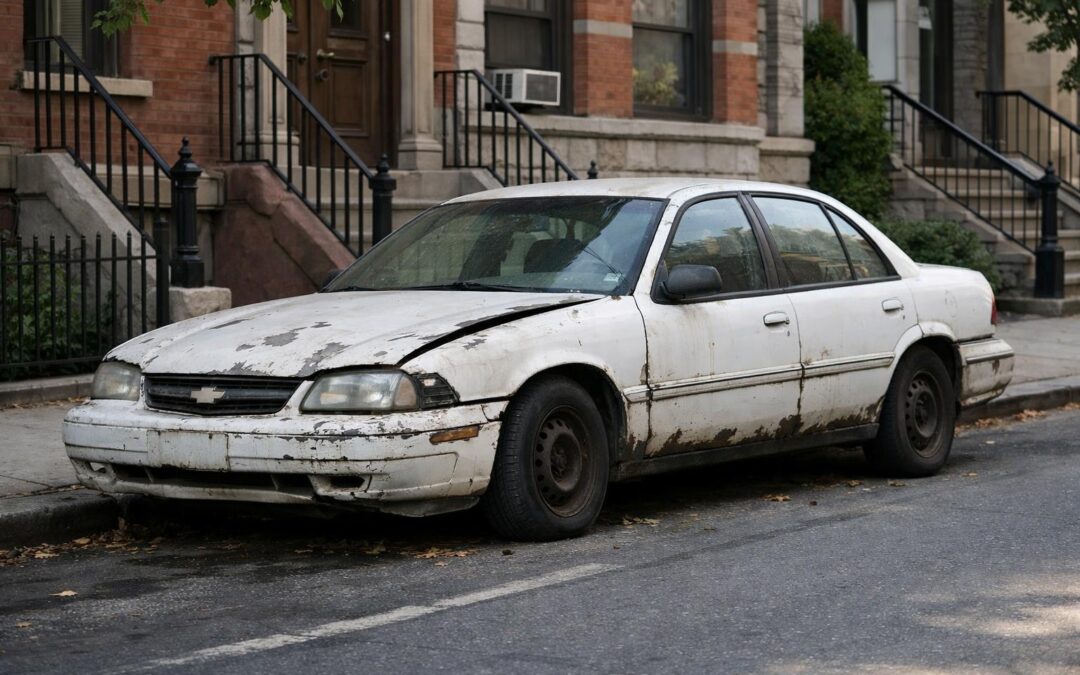
When people say, “I want to sell my unwanted car,” they usually mean they have a vehicle they no longer need, use, or want to spend money on. It might be old, damaged, non-running, or simply taking up space in the driveway or garage.
Unwanted cars generally fall into a few categories:
- End-of-life vehicles that are too expensive to repair.
- Unused cars that sit parked most of the year.
- Damaged or accident cars that are unsafe to drive.
- Extra cars after an upgrade, move, or lifestyle change.
The good news is that almost any car can be sold, even if it is not running, missing parts, or has cosmetic damage. The key is choosing the right selling method for your vehicle’s condition and your goals.
Signs It Is Time to Sell Your Unwanted Car
It can be hard to let go of a vehicle, especially if you have owned it for years. Still, there are clear signs that it may be time to say, “I should sell my unwanted car now.”
- Repair costs exceed the car’s value: If a major repair costs more than the car is worth, selling is often the smarter option.
- Frequent breakdowns: Constant towing, emergency repairs, and unreliable performance are stressful and expensive.
- Rising insurance or registration costs: Paying ongoing fees for a car you rarely drive usually is not worth it.
- Storage problems: The car is blocking your driveway, filling your garage, or costing you money in storage fees.
- Life changes: A new job, relocation, growing family, or switching to public transit can make a second or third car unnecessary.
If several of these apply to you, it may be time to explore your options and turn that unwanted vehicle into cash or savings.
Options to Sell an Unwanted Car
There is no single best way to sell my unwanted car. The ideal method depends on the vehicle’s condition, your timeline, and how much effort you want to invest.
1. Sell Privately
Private buyers typically pay the highest price, but the process can take more time and effort.
- You handle advertising, messaging, and showings.
- You negotiate price directly with buyers.
- You must handle payment safely and complete paperwork properly.
2. Trade It In at a Dealership
Trading in your unwanted car at a dealership is convenient, especially when buying another vehicle.
- Fast, one-stop transaction.
- The trade-in value can reduce sales tax on your new purchase in some regions.
- Usually less money than a private sale, especially for older or damaged vehicles.
3. Sell to a Scrap or Junk Car Buyer
Scrap or junk buyers specialize in purchasing non-running, severely damaged, or very old cars.
- They often offer free towing or pickup.
- Condition matters less; they pay based on weight, parts, and demand.
- Payment is usually quick and simple.
4. Sell to a Used Car Dealer or Car Buying Service
Some dealers and car buying services purchase unwanted cars even if you are not buying a new one.
- Offer is typically fast and straightforward.
- Less hassle than listing and selling privately.
- Offer may be lower than a private sale, higher than pure scrap in many cases.
5. Donate the Car
If maximizing cash is not your main goal, you might donate the car to a charitable organization.
- Potential tax deduction if your region and tax situation allow it.
- Helps a cause you care about.
- Some charities accept non-running vehicles and arrange towing.
How to Prepare Your Car for Sale
Preparing your vehicle properly can increase its value and make the process of selling your unwanted car faster and smoother.
Clean Inside and Out
- Remove all personal belongings from the trunk, glove box, and storage compartments.
- Vacuum seats, carpets, and floor mats.
- Wipe down the dashboard, door panels, and center console.
- Wash the exterior and, if possible, give it a quick wax.
Handle Small, Inexpensive Fixes
You do not need to invest heavily in repairs, but minor, low-cost fixes can help:
- Replace burnt-out bulbs.
- Top up fluids (oil, coolant, windshield washer fluid).
- Fix simple cosmetic issues if cheap and easy, such as loose trim.
Gather Spare Parts and Accessories
- Include spare keys, original manuals, and any service records.
- Offer extra wheels, winter tires, or accessories that came with the car.
- Buyers appreciate documentation and extras; it signals that the car was cared for.
Be Honest About the Condition
Whether your car runs perfectly or is a non-starting project car, honesty will save you time and avoid disputes later.
- Note any major issues (engine problems, transmission issues, rust, accident history).
- Do not hide known defects or warning lights.
- Accurate descriptions attract the right type of buyer.
Documents You Need Before You Sell
Having your paperwork ready helps avoid delays when you decide to sell my unwanted car.
Vehicle Title
The title proves ownership and allows you to transfer the car legally.
- Make sure the title is in your name.
- If there is a lien, contact the lender to confirm payoff or release.
- If you lost the title, request a replacement from your local motor vehicle authority.
Registration
Current or recent registration helps confirm the vehicle’s status.
- Some buyers may still purchase without it, but having it is best.
- Check whether your region requires valid registration at the time of sale.
Maintenance and Repair Records
Service history can increase buyer confidence and potentially the sale price.
- Gather receipts for major repairs and regular maintenance.
- A log of oil changes, brake work, and inspections is helpful.
Bill of Sale
A bill of sale documents the transaction and protects both buyer and seller.
- Include buyer and seller names, addresses, and contact details.
- List the vehicle’s year, make, model, VIN, mileage, and sale price.
- Include the date of sale and signatures from both parties.
Release of Liability
After the sale, you usually need to file a release of liability or notice of transfer with your local authority.
- This document states you are no longer responsible for the vehicle.
- It helps protect you from tickets, tolls, or incidents after the sale.
How to Get the Best Price for Your Unwanted Car
Even if a car is old or damaged, there are ways to maximize what you receive when you say, “I am ready to sell my unwanted car.”
Know Your Car’s Approximate Value
- Research similar vehicles for sale in your area by year, make, model, and condition.
- Adjust your expectations for high mileage, accidents, or mechanical issues.
Get Multiple Offers
Never rely on just one offer if you want the best price.
- Get quotes from junk car buyers, used car dealers, and online car buying services.
- Compare trade-in offers if you are buying another vehicle.
- Use stronger offers to negotiate with other buyers when possible.
Highlight the Positives
- Mention recent work such as a new battery, tires, or brakes.
- Point out features that still work well: air conditioning, sound system, safety features.
- Emphasize low mileage compared to similar vehicles, if applicable.
Decide What Matters Most: Speed or Money
There is usually a trade-off between getting the highest possible price and selling fast.
- If you want maximum cash, a private sale may be best, but it can take weeks.
- If you want speed and convenience, a dealer, junk buyer, or car buying service is faster.
Comparing Typical Payouts from Different Buyers
The type of buyer you choose when deciding to sell my unwanted car has a huge impact on what you receive. The table below gives a general comparison of common options and what to expect.
| Option | Typical Payout | Best For | Speed of Sale |
|---|---|---|---|
| Private Buyer | Highest price, depends on condition and demand | Running vehicles in fair to good condition | Slow to moderate (days to weeks) |
| Dealership Trade-In | Moderate, often less than private sale | Cars you are replacing with another vehicle | Fast (same day) |
| Used Car Dealer / Car Buying Service | Moderate, higher than scrap, lower than private | Older but running vehicles or quick-sale needs | Fast (same day to a few days) |
| Scrap or Junk Car Buyer | Lower, based on weight and parts value | Non-running, badly damaged, or very old cars | Very fast (often same day) |
| Donation | Tax deduction potential instead of cash | Cars you want to give away and support a cause | Fast to moderate (days to a week) |
Common Mistakes to Avoid When Selling an Unwanted Car
Many sellers leave money on the table or run into problems because they skip important steps. Avoid these common mistakes when you decide to sell my unwanted car:
- Accepting the first offer: Without comparison, it is hard to know if the price is fair.
- Ignoring paperwork: Incomplete or missing documents can delay the sale or cause legal issues later.
- Not removing personal data: Clear out garage door openers, home addresses in navigation, and personal paperwork.
- Leaving plates and insurance active: In many regions, you should remove plates, cancel or transfer insurance, and notify authorities after the sale.
- Misrepresenting the car: Hiding known problems usually backfires and could lead to disputes.
- Accepting unsafe payment methods: Be cautious with checks from unknown buyers and avoid sharing sensitive financial information.
Frequently Asked Questions About Selling Unwanted Cars
1. Can I sell my unwanted car if it does not run?
Yes. Many junk or scrap buyers, as well as some used car dealers, purchase non-running vehicles. They often base offers on the weight of the car, recyclability of metals, and parts value. Some will also arrange towing so you do not need to move the car yourself.
2. Do I need the title to sell my unwanted car?
In most places, a title is required to transfer ownership legally. If you have lost it, you can usually request a replacement from your local motor vehicle authority. Some salvage yards or scrap buyers may buy vehicles without titles under special rules, but the process is stricter and may limit your options.
3. Is it worth repairing my car before selling it?
Minor, low-cost repairs that improve appearance or drivability can help. However, if major repairs cost more than the increase in sale price, it is usually better to sell “as is.” Get estimates first and compare them to realistic sale values to decide.
4. How much is my unwanted car really worth?
The value depends on age, mileage, condition, location, and demand. Running vehicles with reasonable mileage are usually worth more to private buyers or used car dealers. Severely damaged, very old, or non-running cars tend to be valued mainly for parts and scrap metal.
5. How fast can I sell my unwanted car?
The timeline depends on how you choose to sell. Junk and scrap buyers, as well as instant car buying services, can often complete the sale the same day or within 24 to 48 hours. Private sales usually take longer because you must find and negotiate with the right buyer.
6. What should I remove from my car before selling it?
Remove all personal items, important documents, and anything you plan to keep. Clear out the glove box, center console, trunk, and under seats. Also, delete personal contacts and home addresses from the car’s navigation and infotainment systems if applicable.
7. Can I sell an unwanted car that still has a loan on it?
Yes, but you must clear the loan balance first. Often, the buyer pays the lender directly, and you receive any remaining amount. In some cases, you may need to pay extra out of pocket if the car is worth less than the remaining loan balance.
8. How do I protect myself from scams when selling privately?
Meet buyers in safe, public locations when possible. Avoid accepting overpayments or complicated payment arrangements. Cash, verified cashier’s checks, or secure electronic transfers are generally safer. Do not hand over keys or sign the title until payment is confirmed.
9. Do I have to disclose accidents or major issues?
In many regions, sellers are required to disclose known major defects or accident history. Even when not legally required, honesty builds trust and avoids disputes or legal problems later. Describe the car “as is” and note any known problems clearly.
10. Is donating my unwanted car a good idea?
Donating can be a good option if you value supporting a cause and are less concerned with getting the highest cash amount. You may receive a tax deduction depending on your local laws and personal tax situation. Always keep records of the donation for your files.
Conclusion: Turn Your Unwanted Car into Instant Cash
When you find yourself thinking, “I really need to sell my unwanted car,” you have more options than you might realize. Whether your vehicle is in good condition, barely running, or completely dead, there is usually a buyer or solution that fits your needs.
By understanding your car’s condition, preparing it properly, gathering the right documents, and comparing offers, you can choose a selling method that balances convenience and price. Avoid common mistakes, protect yourself with clear paperwork and safe payments, and be honest about your car’s history.
With a little planning, you can clear your driveway, reduce ongoing costs, and turn that unwanted car into cash or a meaningful donation, freeing up both space and peace of mind.