
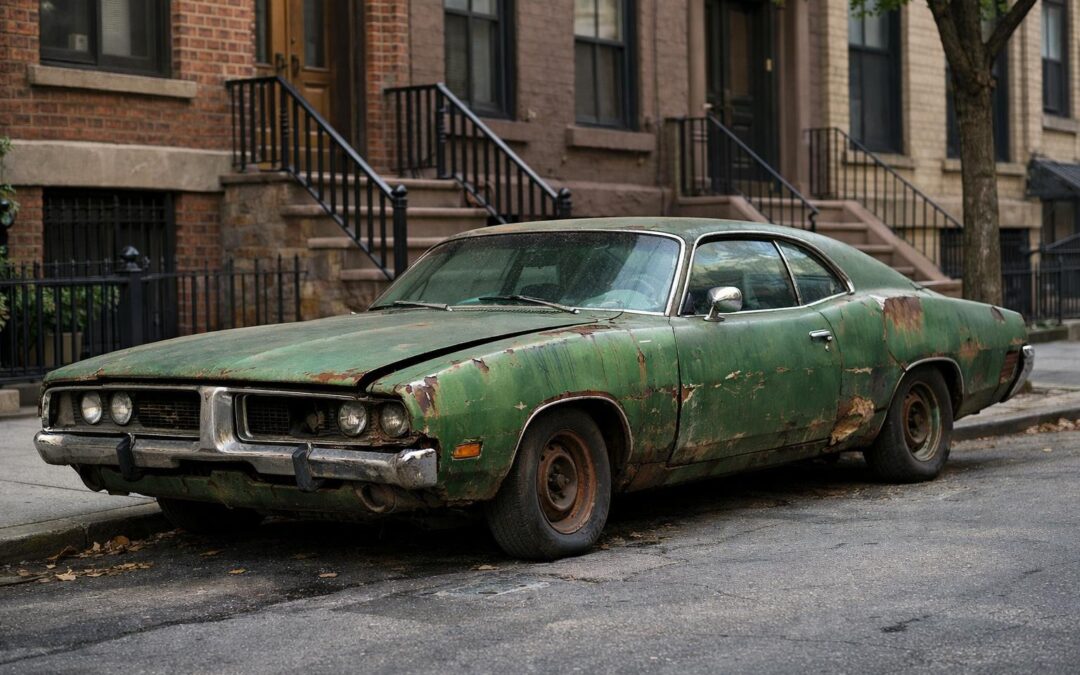
Running Or Not Running Cars: A Complete Guide To Your Options
Table of Contents
- What Does “Running Or Not Running Cars” Really Mean?
- Common Reasons Cars Stop Running
- Evaluating a Not Running Car: Is It Worth Fixing?
- How to Sell a Running or Not Running Car
- Maximizing Value From a Non-Running Vehicle
- Legal and Paperwork Basics You Should Know
- Environmental Considerations and Recycling
- Practical Tips Before You Decide What to Do
- Frequently Asked Questions About Running or Not Running Cars
- Conclusion: Making the Smart Choice for Your Situation
What Does “Running Or Not Running Cars” Really Mean?
The phrase running or not running cars is widely used by buyers, junkyards and private sellers to describe vehicles in all conditions, from fully drivable to completely inoperable. Understanding what counts as “running” or “not running” helps you set realistic expectations about value, repair costs and potential buyers.
A running car generally means the engine starts, the car can move under its own power and it can be driven safely, even if it has cosmetic issues or minor mechanical problems. A not running car typically means the engine will not start or the car cannot move safely, often due to engine, transmission, electrical, fuel or severe structural issues.
Buyers who advertise that they purchase “running or not running cars” are usually prepared to handle a wide range of problems, including blown engines, failed inspections, flood damage or vehicles that have been sitting for years.
Common Reasons Cars Stop Running
Cars can become non-operational for many different reasons. Identifying the most likely cause helps you decide whether a repair is practical or if selling the vehicle as-is makes more sense.
- Engine failure: Blown head gaskets, seized engines, low oil, overheating and timing belt or chain failures can leave a car completely inoperable.
- Transmission problems: Severe transmission damage may allow the engine to start but prevent the car from moving or shifting properly.
- Electrical system issues: Dead batteries, faulty alternators, damaged wiring and computer module failures can keep a car from starting or running reliably.
- Fuel system failures: Bad fuel pumps, clogged filters or contaminated fuel can cause stalling, misfires or no-start conditions.
- Cooling system damage: Persistent overheating can warp engine components and eventually render the vehicle non-running.
- Accident damage: Structural damage, deployed airbags and bent frames may technically allow a car to start but make it unsafe or illegal to drive.
- Neglect and long-term storage: Cars left sitting for years can develop seized brakes, rusted fuel lines, dry-rotted hoses and other issues that prevent safe operation.
Even when a car is labeled “not running,” some issues are relatively minor, while others involve major components that cost more to repair than the vehicle is worth.
Evaluating a Not Running Car: Is It Worth Fixing?
Before deciding what to do with a non-running vehicle, it helps to compare its potential repair costs with its realistic value. The table below summarizes common scenarios for running and not running cars.
| Condition | Typical Issues | Repair Cost Range (Approx.) | When It Might Be Worth Fixing |
|---|---|---|---|
| Running, minor issues | Cosmetic damage, minor leaks, worn tires, brakes | Low to moderate | When overall value is high and mileage is reasonable |
| Running, major issues | Check engine light, slipping transmission, heavy rust | Moderate to high | When vehicle is newer, rare or has high resale value |
| Not running, likely simple fix | Dead battery, starter, alternator, minor wiring | Low to moderate | When diagnosis confirms limited damage |
| Not running, engine damage | Blown head gasket, seized motor, severe overheating | High to very high | Occasionally, if the car is rare or highly valuable |
| Not running, multiple systems failed | Engine, transmission and electrical or structural damage | Very high | Usually not; selling for parts or scrap is often better |
To decide whether to repair or sell a non-running vehicle, consider the following steps.
- Get a basic diagnosis: Even a mobile mechanic can provide a rough idea of what is wrong and how much it may cost to repair.
- Research market value: Look up the value of the same make, model, year and mileage in running condition, then adjust for your car’s issues.
- Compare numbers: If the estimated repair cost is close to or higher than the car’s value after repair, fixing it rarely makes financial sense.
- Consider your needs: If you need reliable transportation, pouring money into a severely damaged car may not be wise, even if repairs are technically possible.
How to Sell a Running or Not Running Car
Whether your car is running or not, you have several options for selling it. Your approach will affect both how quickly it sells and how much money you receive.
1. Private sale
Selling directly to another driver generally brings the highest price, especially for running vehicles. For not running cars, private buyers are often hobbyists, mechanics or people looking for parts cars. Be prepared to disclose known issues honestly.
2. Dealers and trade-ins
Some dealers accept running or not running cars as trade-ins, often for less than private sale value but with minimal hassle. If the car is non-running, they may factor towing and repair costs into their offer.
3. Junkyards and salvage buyers
Junkyards and salvage companies commonly advertise that they buy running or not running cars. They evaluate vehicles mainly for scrap metal and usable parts. This route is usually fast, and many provide towing at no cost or for a small fee.
4. Auction and wholesale
Auctions can move both running and not running vehicles quickly, but final prices may be unpredictable. Some sellers use auction houses that specialize in damaged or salvage-title cars.
To improve your outcome when selling:
- Gather all keys, manuals and maintenance records.
- Be clear about the car’s condition and major known issues.
- Photograph the vehicle thoroughly if you list it online.
- Be realistic about what a non-running car is truly worth in your area.
Maximizing Value From a Non-Running Vehicle
A non-running car is not worthless. Even if it cannot be driven, it can still have value as scrap, parts or a project for the right buyer.
- Sell for parts: If you have the tools and time, parting out a car can sometimes bring in more money than selling it whole. Engines, transmissions, body panels, wheels and electronics can be valuable.
- Sell as a repair project: Enthusiasts and mechanics may see potential where you do not. Be transparent about what you know and what you do not know about the car’s history.
- Scrap metal value: Even severely damaged or rusted cars contain metal that can be recycled. Scrap prices change, but weight and metal content determine most of the value.
- Donate the car: Some charities accept running or not running cars and may offer a tax deduction based on the vehicle’s value.
Before dismantling or scrapping anything, confirm that you have clear title and that you follow local laws for disposing of vehicles and hazardous fluids.
Legal and Paperwork Basics You Should Know
Even when dealing with running or not running cars, paperwork and legal requirements remain important. Handling these details correctly protects you from future liability and ensures the transaction is valid.
- Title (proof of ownership): Most buyers require a clear title to complete the sale, whether the car runs or not.
- Bill of sale: A simple bill of sale recording the date, price, condition and parties involved can prevent disputes later.
- Release of liability: Many regions require you to notify the motor vehicle authority that you have sold or disposed of the car.
- License plates: In some areas you must remove and return plates or transfer them to another vehicle.
- Loan or lien: If you still owe money on the car, check with the lender before selling, scrapping or parting it out.
- Insurance: Cancel or adjust your insurance once the car is sold or is no longer in use to avoid paying for unnecessary coverage.
Environmental Considerations and Recycling
Running or not running cars both pose environmental responsibilities for owners. Proper disposal and recycling help prevent pollution and reclaim valuable materials.
- Fluids: Engine oil, coolant, brake fluid, transmission fluid and fuel should be drained and disposed of according to local regulations.
- Batteries: Car batteries contain lead and acid and should be recycled through approved facilities.
- Tires: Used tires can be recycled for various products; many scrap yards and tire shops accept them for a fee.
- Metal recycling: Steel, aluminum and other metals in a car can be reused, reducing the need for new raw materials.
- Airbags and electronics: Some components require special handling due to chemicals or explosive charges.
When you work with reputable recyclers and salvage yards, much of this handling is done for you. Still, it is useful to understand what happens to a vehicle after it leaves your driveway.
Practical Tips Before You Decide What to Do
Whether your car is running perfectly, limping along or completely inoperable, a few practical steps can make your next move clearer and easier.
- Take an honest inventory: List visible damage, known mechanical problems, mileage, rust and any unusual noises or behaviors.
- Check maintenance history: Records of oil changes, major repairs and part replacements can increase buyer confidence and help with valuation.
- Estimate remaining life: Consider age, mileage and how long you realistically expect the car to serve you, even if you invest in repairs.
- Get at least two opinions: Different mechanics or buyers may see different value or propose different solutions for running or not running cars.
- Consider convenience versus top dollar: A quick sale to a buyer who accepts any condition may bring less money but save time, storage costs and stress.
You do not need to fix every problem to justify selling a car. For many owners, recognizing when a vehicle has reached the end of its practical life is a smart financial decision.
Frequently Asked Questions About Running or Not Running Cars
1. Can I sell a car that is not running?
Yes, many buyers specifically look for not running cars. Junkyards, salvage buyers, mechanics and private hobbyists often purchase vehicles that need work or can be used for parts. Your price will usually be lower than for a running vehicle, but you can still recover value.
2. Is it worth fixing a car that does not run?
It depends on the cause of the problem, the cost of repair and the car’s overall value. If repairs approach or exceed the value of the car in good condition, it is often better to sell or scrap the vehicle rather than invest more money.
3. How much is a non-running car usually worth?
Non-running cars are often valued for their parts and scrap metal. Factors include age, make, model, demand for parts, weight and metal prices. In many cases, you might receive anywhere from a small fraction up to a moderate portion of what the same car would be worth if it were running well.
4. Do I need a title to sell a not running car?
Most legitimate buyers prefer or require a clear title, whether the car is running or not. Some states or regions allow selling to licensed dismantlers without a title, but rules vary. Always check local regulations and keep documentation for your records.
5. Should I repair a car first to get a higher selling price?
Minor, inexpensive repairs that make the car safely drivable can increase value and attract more buyers. However, large repairs do not always pay off. Before investing, compare the expected increase in selling price with the cost and hassle of the repair.
6. Can I donate a car that does not run?
Many charities accept both running and not running cars. They may sell the vehicle at auction or for scrap and use the funds for their programs. You can often claim a tax deduction, but you should keep all documents and follow tax guidelines in your area.
7. What is the safest way to get rid of a non-running car?
The safest approach is to work with a reputable buyer or scrap yard, complete all required paperwork, remove personal belongings and license plates and cancel your insurance. This helps you avoid legal or financial issues after the car leaves your possession.
8. How do I know if a buyer for my non-running car is trustworthy?
Look for buyers with a physical business address, clear contact information and a straightforward process for providing offers and paperwork. Be cautious of anyone who pressures you to decide immediately or refuses to provide written details of the transaction.
9. Does mileage matter if the car does not run?
Mileage still matters because it affects the value of reusable parts and the estimated life of the vehicle if repaired. Lower-mileage cars in non-running condition may be more attractive to buyers who plan to fix them or harvest parts.
10. What should I remove from a car before scrapping it?
Remove personal items, registration documents, toll tags and any aftermarket accessories you want to keep. In some cases you may also want to remove valuable parts such as upgraded stereos or high-end wheels, as long as this does not violate any agreement with the buyer.
Conclusion: Making the Smart Choice for Your Situation
Dealing with running or not running cars comes down to balancing convenience, cost and value. A running car with minor issues may be worth repairing or selling privately for a higher price. A non-running car with major mechanical or structural problems might be better sold as-is to a buyer who specializes in repairs, parts or recycling.
By understanding why cars stop running, how to evaluate repair costs, what selling options exist and which legal and environmental responsibilities apply, you can make a confident decision that fits your budget, your timeline and your long-term transportation needs.