
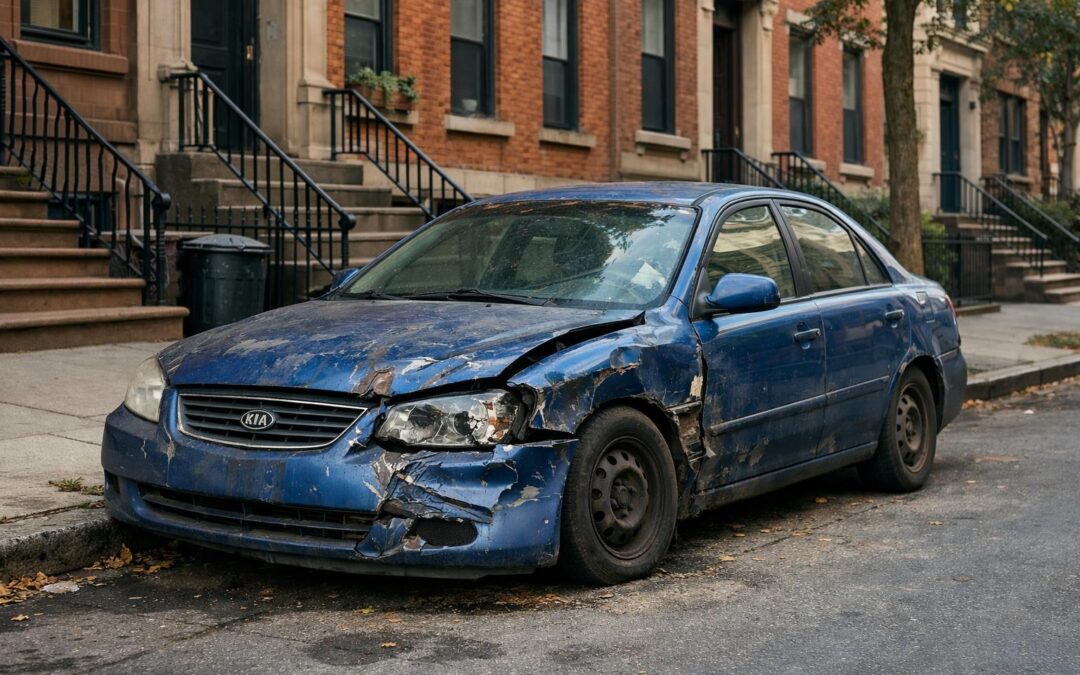
Damaged Vehicle Buyers: How to Sell Your Wrecked, Non-Running, or Salvage Car
Table of Contents
- What Are Damaged Vehicle Buyers?
- Types of Vehicles Damaged Buyers Will Purchase
- How the Damaged Vehicle Buying Process Works
- How to Prepare Your Damaged Car for Sale
- How to Determine a Fair Price for a Damaged Vehicle
- Pros and Cons of Selling to Damaged Vehicle Buyers
- Common Mistakes to Avoid
- Frequently Asked Questions (FAQ)
- Conclusion
What Are Damaged Vehicle Buyers?
Damaged vehicle buyers are individuals or companies that specialize in purchasing vehicles in less-than-perfect condition. They typically buy cars, trucks, SUVs, vans, and sometimes motorcycles that are:
- Accident damaged
- Non-running or mechanically failed
- Flood or fire damaged
- Hail damaged
- Salvage title or rebuilt title
- High-mileage and not worth repairing
Unlike traditional private buyers or dealerships that focus on clean, roadworthy cars, damaged vehicle buyers are set up to:
- Part out vehicles for components
- Repair and resell them
- Recycle metal and materials
This makes them a convenient option for owners who need to get rid of a problem car quickly without paying for repairs or towing.
Types of Vehicles Damaged Buyers Will Purchase
Many owners assume their car is too far gone to sell. Damaged vehicle buyers, however, often accept a wide range of conditions.
Accident and Collision-Damaged Vehicles
These are cars that have been involved in collisions and may have:
- Frame damage
- Deployed airbags
- Broken suspension or steering components
- Cosmetic body panel damage
Mechanical Failure and Non-Running Cars
Buyers often purchase vehicles with serious mechanical problems, such as:
- Blown engines
- Failed transmissions
- Severe electrical issues
- Overheating or head gasket failure
Flood, Fire, and Hail-Damaged Vehicles
These vehicles are usually too costly or unsafe to repair for daily driving but still hold value in:
- Usable parts
- Scrap metal
- Rebuild projects for specialized buyers
Salvage Title and Junk Cars
Even if your vehicle has been issued a salvage title or is considered a total loss by insurance, damaged vehicle buyers may still be interested. In many cases they will:
- Purchase cars with branded, salvage, or rebuilt titles
- Buy complete junk cars for parts and scrap
- Offer free or low-cost towing to remove them
How the Damaged Vehicle Buying Process Works
While every company has its own process, most damaged vehicle buyers follow similar steps.
1. Initial Contact and Quote
Typically, you start by contacting the buyer and providing basic information about your vehicle, such as:
- Year, make, and model
- Odometer reading (approximate is usually fine)
- Overall condition and type of damage
- Whether it runs and drives
- Title status and location
Based on this information, the buyer will give you an estimated or firm purchase offer.
2. Vehicle Inspection
Some buyers may conduct a brief inspection, either:
- In person at your location
- At their yard or facility
- Via photos and videos if you are far away
The inspection helps confirm the condition and verify that the vehicle matches the description.
3. Offer and Negotiation
Once the buyer has enough information, they will provide a final offer. You can:
- Accept the offer and schedule pickup
- Negotiate if you believe your car is worth more
- Decline and compare with other buyers
4. Paperwork and Payment
When you agree to sell, the buyer will usually handle most of the paperwork. You will typically need:
- A valid vehicle title in your name
- Photo identification
- Any lien release documents, if applicable
Payment is often provided as:
- Cash
- Certified check
- Bank transfer or other secure method
5. Pickup and Towing
For non-running or heavily damaged cars, towing is often included. The buyer will:
- Schedule a convenient pickup time
- Load and remove the vehicle
- Complete the final paperwork with you on site
How to Prepare Your Damaged Car for Sale
Preparing your vehicle properly can help you get a smoother transaction and sometimes a better offer.
Gather Your Documents
- Title: Confirm that you have the correct title and that all names and information are accurate.
- Registration: Not always required, but useful to have.
- Service records: Optional, but they can demonstrate how well the car was cared for before the damage.
Remove Personal Items
Thoroughly check and clear out:
- Glove box and center console
- Door pockets and seatback pockets
- Trunk and under the spare tire cover
- Any removable storage compartments
Note the Vehicle’s Condition Honestly
Make a simple list of the car’s key issues and positives:
- Damage location and extent
- Known mechanical problems
- Recent major repairs or new parts
- Any missing parts or accessories
Honesty from the start helps avoid disputes, delays, and price changes later.
Gather Keys and Accessories
- All keys and remotes
- Wheel lock keys, if any
- Owner’s manual, if available
- Extra wheels, tires, or parts related to the car
How to Determine a Fair Price for a Damaged Vehicle
Damaged vehicle pricing is different from pricing a clean, running car. Understanding the factors involved can help you recognize a fair offer.
Key Pricing Factors
- Year, make, and model popularity
- Overall market demand for parts from that vehicle
- Extent and type of damage (cosmetic vs. structural vs. mechanical)
- Title status (clean, salvage, rebuilt, or no title)
- Scrap metal prices in your area
Comparing Different Sale Options
Here is a simplified comparison of typical sale options for a damaged car:
| Sale Option | Typical Price Level | Time to Sell | Effort Required |
|---|---|---|---|
| Damaged Vehicle Buyers | Moderate | Fast (often 1–3 days) | Low |
| Private Buyer (As-Is) | Moderate to High | Slow (weeks or months) | High |
| Dealership Trade-In | Low to Moderate | Moderate | Moderate |
| Scrap Yard / Recycler | Low | Fast | Low |
Getting Multiple Offers
To ensure you are getting a fair price:
- Contact at least two or three damaged vehicle buyers.
- Provide the same, accurate information to each.
- Compare not only the price, but also towing, fees, and payment terms.
Pros and Cons of Selling to Damaged Vehicle Buyers
Selling to specialized damaged vehicle buyers has advantages and disadvantages you should weigh carefully.
Advantages
- Speed: Many companies can complete the sale within a day or two.
- Convenience: They often handle paperwork, towing, and title transfer.
- No Repair Costs: You do not have to spend money diagnosing or fixing problems.
- Any Condition: Even severely damaged or non-running cars can be accepted.
- Predictable Process: The steps are straightforward and usually standardized.
Disadvantages
- Lower Top-End Price: You may receive less than if you found a patient private buyer.
- Limited Negotiation: Some buyers use fixed pricing models with little room for haggling.
- Regional Variations: Offers can vary significantly depending on local market conditions.
Common Mistakes to Avoid
Avoiding a few common pitfalls can save you time and help you secure a better outcome.
Not Having the Title Ready
Trying to sell without a clear title can cause:
- Delays in pickup
- Reduced offers
- Potential cancellation of the deal
Overstating the Vehicle’s Condition
Misrepresenting damage or functionality often leads to:
- On-site price reductions
- Disputes with the buyer
- Wasted time for both parties
Accepting the First Offer Without Comparison
While speed is important, you should still:
- Get at least a couple of quotes
- Compare towing costs, fees, and payment methods
- Check for any hidden charges
Leaving Personal Data in the Vehicle
Modern cars often store sensitive data. Before the vehicle is picked up:
- Delete phone contacts and call logs from the infotainment system.
- Erase navigation history and saved addresses.
- Remove toll transponders and garage door openers.
Frequently Asked Questions (FAQ)
1. Will damaged vehicle buyers purchase a car that does not run?
Yes. Most damaged vehicle buyers specialize in non-running or hard-to-move vehicles. They usually provide towing or pickup services and factor this cost into their offer. Whether your engine is blown, the transmission has failed, or the car simply will not start, there is often still value in the parts and scrap.
2. Can I sell a damaged car without a title?
In many areas, selling a car without a title is difficult or restricted by law. Some buyers may accept vehicles without titles under specific conditions, but the price will usually be lower and the process more complex. It is generally best to obtain a replacement title from your local motor vehicle authority before attempting to sell.
3. How much can I expect to get for a damaged car?
The amount you receive depends on factors like the vehicle’s age, make, model, mileage, severity of damage, and current scrap and parts market values. In general, late-model vehicles with popular parts and moderate damage may bring higher offers, while very old or heavily corroded vehicles may be worth mainly scrap value.
4. Do I need to repair anything before selling?
No repairs are usually required when selling to damaged vehicle buyers. In fact, spending money on major repairs is often not cost-effective if the car is already considered a total loss or severely damaged. Minor, inexpensive fixes that make the car easier to move or inspect can sometimes help, but they are not mandatory.
5. How long does the process take?
Once you contact a damaged vehicle buyer with complete information, you can often receive an offer the same day. If you accept, pickup and payment may occur within 24 to 72 hours, depending on scheduling and your location. The overall process is usually much faster than selling privately.
6. What if my car has a salvage or rebuilt title?
Many damaged vehicle buyers actively seek out salvage or rebuilt title vehicles. These cars are often purchased for parts, rebuilding, or export. While a branded title may reduce the value compared to a clean title, it does not typically prevent the buyer from making an offer.
7. Is towing included when I sell to a damaged vehicle buyer?
Often, yes. Many companies offer free or included towing for damaged or non-running vehicles, especially within a certain radius. Others may deduct the towing cost from the total offer or charge a small fee. It is important to clarify towing details before you agree to sell.
8. How do I protect myself from fraud?
To protect yourself, verify the buyer’s identity and business details, insist on secure payment methods such as cash or certified funds, and ensure all sections of the title are filled out properly. Do not hand over the keys or signed title until you have confirmed payment arrangements and are comfortable with the transaction.
9. Do I need to cancel my insurance and registration?
Yes. After the sale is complete and the vehicle has been picked up, you should contact your insurance company to cancel coverage and notify your local motor vehicle authority according to your area’s requirements. In some places you may also need to return license plates or submit a notice of sale.
10. Can I still sell my car if it is missing parts?
In many cases, yes. Damaged vehicle buyers may still purchase cars that are missing components such as wheels, body panels, or interior pieces. However, missing major parts can reduce the overall value, since the buyer has fewer usable items to resell or recycle.
Conclusion
Damaged vehicle buyers provide a practical solution for owners who need to dispose of wrecked, non-running, or otherwise problem vehicles. By understanding what these buyers look for, how the process works, and how to prepare your car, you can turn a difficult situation into a straightforward transaction.
Gather your documents, describe the vehicle honestly, compare a few offers, and confirm the details around towing and payment. With a bit of preparation, selling to damaged vehicle buyers can be a fast, convenient way to recover value from a car you no longer want or cannot safely drive.