Junk Truck Buyers: How to Get the Best Cash Offer for Your Old Workhorse
Table of Contents
- What Are Junk Truck Buyers?
- When Should You Sell to Junk Truck Buyers?
- Types of Trucks Junk Buyers Usually Accept
- How the Junk Truck Buying Process Works
- How to Maximize Your Cash Offer
- Common Pricing Factors for Junk Trucks
- Avoiding Scams and Bad Deals
- FAQ About Junk Truck Buyers
- Conclusion
What Are Junk Truck Buyers?
Junk truck buyers are companies or individuals that purchase unwanted, damaged, or non-running trucks for cash. Instead of trying to sell your old work truck privately, you can sell it directly to a specialized buyer who either:
- Scraps the truck for metal
- Parts it out and resells usable components
- Repairs and resells it at auction or to another owner
They provide a fast, hassle-free alternative to listing your truck, negotiating with multiple buyers, or paying for repairs just to make it sellable. Many junk truck buyers also include towing or removal, so you do not have to worry about transporting a non-running vehicle.
When Should You Sell to Junk Truck Buyers?
Selling to junk truck buyers makes the most sense in certain situations. If any of the following sound familiar, it may be time to call a junk buyer:
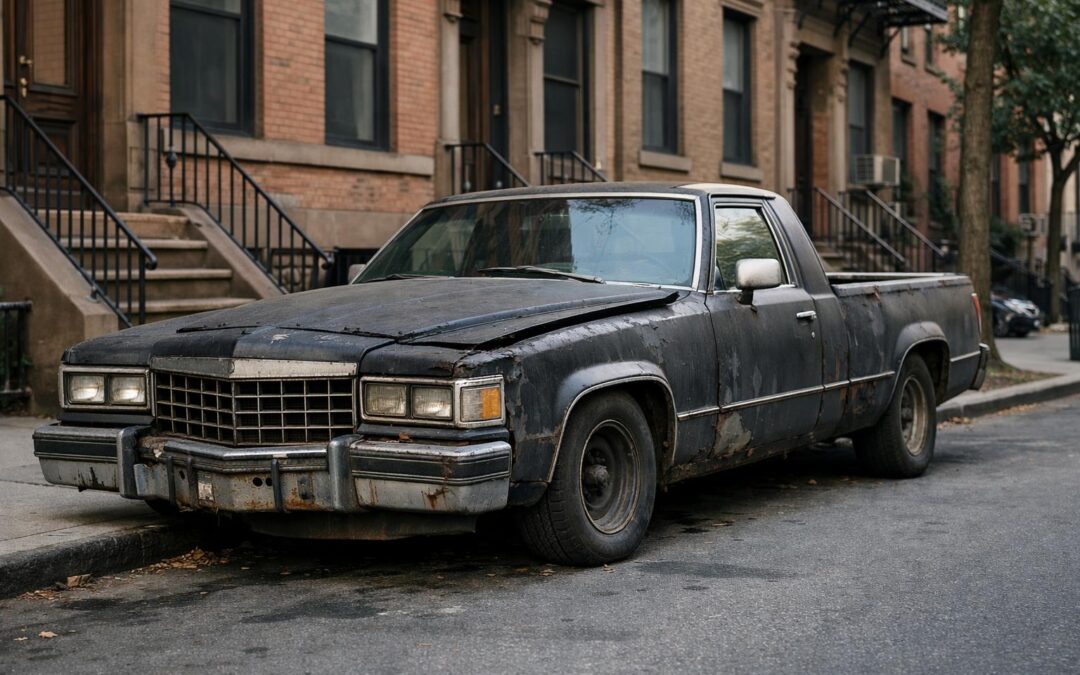
- Your truck no longer runs and repair costs are more than the truck is worth.
- The frame is rusted or damaged beyond safe repair.
- The truck has a blown engine or transmission and you do not want to invest in major repairs.
- You failed an inspection and do not want to fix all the issues.
- You upgraded your work fleet and need old trucks gone fast.
- You do not have the title handy, and you need a buyer familiar with such situations in your area’s legal framework.
If your main priority is maximizing every last dollar and the truck is still in good condition, you may get more from a private sale. But if time, convenience, and quick cash are more important, junk truck buyers are often the best option.
Types of Trucks Junk Buyers Usually Accept
Most junk truck buyers purchase a wide variety of trucks regardless of age, mileage, or condition. Common types include:
- Pickup trucks (light-duty and heavy-duty)
- Box trucks and delivery trucks
- Flatbed trucks
- Dump trucks
- Tow trucks and rollback trucks
- Refrigerated trucks
- Commercial fleet trucks
Many buyers will still make offers on trucks that:
- Do not run or start
- Have missing parts
- Are wrecked, totaled, or severely damaged
- Have extremely high mileage
The more complete your truck is and the more valuable components it still has, the higher the offer you can usually expect.
How the Junk Truck Buying Process Works
While details vary by company, the junk truck buying process usually follows a similar pattern:
-
Contact the buyer
You reach out by phone or an online form and provide basic details: year, make, model, mileage, condition, and location.
-
Receive a preliminary quote
The buyer gives you a rough cash offer based on your description and current scrap/parts values.
-
Schedule pickup or inspection
If you accept the quote, you schedule a pickup time. Some buyers may inspect the truck on-site before finalizing the offer.
-
Sign paperwork
You sign over the title or complete the necessary transfer documents based on local regulations.
-
Get paid
You receive payment, often in cash or cashier’s check, at the time of pickup, and the truck is towed or driven away.
From first contact to pickup, the process can often be completed in as little as one day, depending on your location and the buyer’s schedule.
How to Maximize Your Cash Offer
Even though you are selling to junk truck buyers, you still have some control over the final payout. Use these strategies to get the best possible cash offer:
-
Gather accurate information
Know the exact year, make, model, trim, engine size, and approximate mileage. Accurate details help buyers estimate value correctly and avoid low-ball “safety margins.”
-
Be honest about condition
Hiding damage can backfire when the driver arrives and revises the offer. Transparency often leads to smoother transactions.
-
Call multiple buyers
Get at least three quotes. Different buyers value scrap and parts differently, and competition can increase offers.
-
Mention valuable extras
Aftermarket toolboxes, plows, liftgates, specialized equipment, or newer tires can increase what your truck is worth.
-
Have your title ready
Buyers pay more when paperwork is simple. A clean, readily available title can mean a higher and faster offer.
-
Remove personal belongings and trash
A cleaned-out cabin makes inspection easier and avoids any “disposal” fees with some buyers.
Common Pricing Factors for Junk Trucks
Junk truck buyers consider several variables when deciding how much they can pay. Below is a simplified comparison of some of the main factors.
| Pricing Factor | How It Affects Offer | What You Can Do |
|---|---|---|
| Weight and size | Heavier trucks usually bring more in scrap metal value. | Know your truck class and configuration when requesting quotes. |
| Condition of engine and transmission | Working drivetrains can significantly increase offers. | Mention if it runs, drives, or recently passed inspection. |
| Completeness of the truck | Missing parts reduce value for scrap and resale. | Include any removed but available parts with the sale. |
| Market scrap metal prices | Higher metal prices usually mean higher offers. | If possible, get quotes when metal prices are trending up. |
| Demand for parts | Popular models with high parts demand fetch better prices. | Highlight if your truck is a common workhorse model. |
| Location and distance | Remote areas may receive lower offers due to towing costs. | Choose a buyer that includes free towing when possible. |
Avoiding Scams and Bad Deals
While most junk truck buyers are legitimate, there are some red flags you should watch for:
- Buyers who refuse to provide a written or clearly stated offer.
- Requests to sign paperwork before you know the final amount.
- Last-minute offer reductions without valid reasons.
- Payment with personal checks from unknown individuals.
- Buyers unwilling to explain fees, towing costs, or title procedures.
You can protect yourself by:
- Comparing quotes from multiple buyers.
- Asking exactly how and when you will be paid.
- Keeping copies or photos of your signed paperwork.
- Verifying any business names or local licenses where applicable.
A legitimate junk truck buyer should answer questions clearly, respect your time, and not pressure you into an immediate decision.
FAQ About Junk Truck Buyers
1. Do junk truck buyers really pay cash on the spot?
Many junk truck buyers do pay cash or provide a cashier’s check at the time of pickup. Payment methods vary by company, so confirm how you will be paid before agreeing to any deal.
2. Can I sell my junk truck without a title?
This depends heavily on local laws. Some buyers can handle vehicles without titles using alternative documentation, while others require a clean title. Always check the regulations in your state or region before proceeding.
3. Is it better to sell my truck for parts instead of to a junk buyer?
Parting out your truck yourself may bring in more money, but it takes time, tools, storage space, and effort. Junk truck buyers offer speed and simplicity. If convenience is more important than squeezing out every dollar, a junk buyer is usually the better choice.
4. Will the buyer tow my truck for free?
Many junk truck buyers include free towing, especially if the truck is not drivable. Others may deduct towing costs from the offer. Ask directly whether towing is free and if there are any distance limits.
5. How long does the entire process usually take?
From first call to pickup, the process can sometimes be completed within 24 hours. In busy seasons or remote areas, it may take a couple of days. Having your title and keys ready can speed things up.
6. What should I do before the buyer arrives?
Remove personal belongings, license plates if required in your area, and any items you want to keep such as custom toolboxes if they are not part of the deal. Have your ID, title, and keys ready, and park the truck in an accessible location.
7. How do buyers decide what to offer for my junk truck?
They look at your truck’s weight, condition, completeness, parts demand, and current scrap metal prices. They also consider towing distance and any paperwork complications, which can affect the final offer.
8. Can I still sell if my truck has been sitting for years?
Yes. Most junk truck buyers regularly purchase trucks that have been parked for long periods. Long-term sitting can reduce the offer due to rust, seized parts, and degraded components, but the truck still has scrap and parts value.
9. Are commercial fleet trucks handled differently?
Some junk buyers specialize in fleets and may offer bulk pricing, scheduled pickups, and streamlined paperwork for businesses. If you are selling multiple trucks, mention that upfront to negotiate better terms.
10. What happens to my junk truck after I sell it?
Depending on its condition, your truck may be repaired and resold, dismantled for usable parts, or processed at a scrap yard where metal and other materials are recycled. This process helps recover value and can reduce waste.
Conclusion
Junk truck buyers provide a fast, practical way to turn an unwanted or non-running truck into cash. By understanding how they operate, what affects their offers, and how to protect yourself from bad deals, you can confidently navigate the selling process. Gather your truck’s details, compare quotes from several buyers, prepare your paperwork, and choose the offer that balances convenience and payout. With the right approach, your old workhorse can still deliver value one last time.