New York Junk Cars: How to Sell, Scrap, and Profit in the Empire State
Table of Contents
- What Counts as a Junk Car in New York?
- Top Reasons to Sell Your New York Junk Car
- How Junk Car Buyers in New York Work
- Required Paperwork and Legal Requirements in New York
- How to Maximize Your Payout for New York Junk Cars
- Environmental and Community Benefits of Scrapping Cars
- Common Scams and Red Flags to Avoid
- Comparing Options: Junkyard, Private Buyer, or Donation
- Frequently Asked Questions About New York Junk Cars
- Conclusion: Turning Your New York Junk Car into Cash
What Counts as a Junk Car in New York?
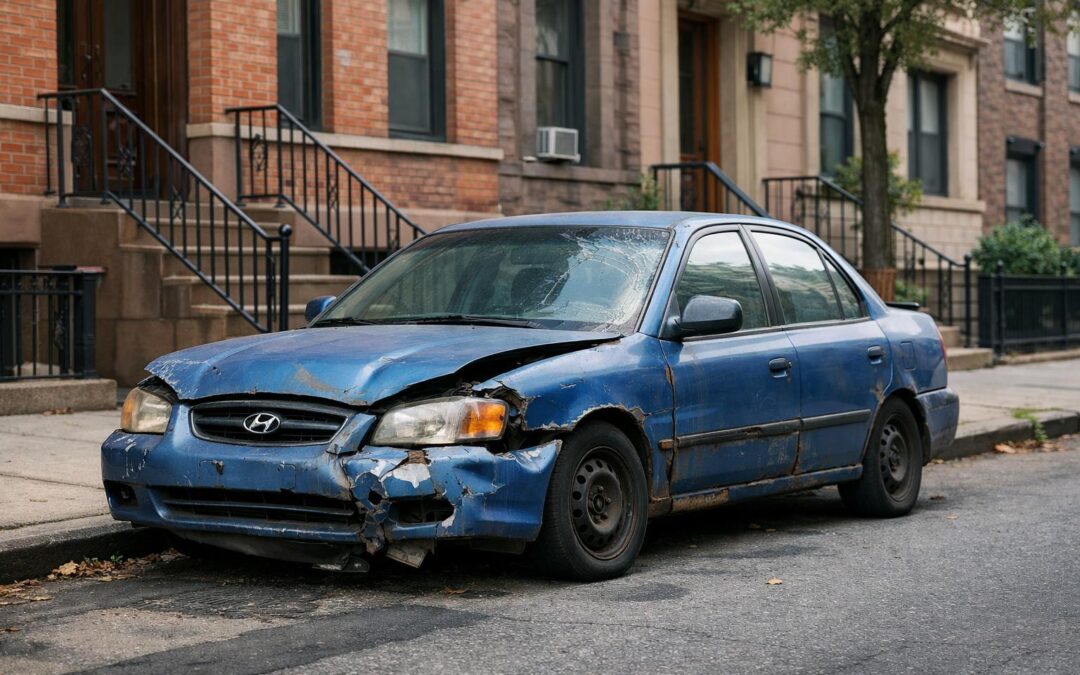
In New York, a junk car is generally any vehicle that is no longer safe, reliable, or economical to repair. These vehicles often sit unused in driveways, on city streets, or in parking lots, taking up space and losing value over time.
While there is no single official definition for all situations, many junk car buyers in New York use a combination of practical criteria.
| Criteria | Typical Sign of a New York Junk Car |
|---|---|
| Mechanical Condition | Engine blown, transmission failed, or major system beyond cost-effective repair |
| Accident Damage | Vehicle totaled, frame damage, or airbag deployment with high repair cost |
| Age and Mileage | Very high mileage or older vehicles with repeated breakdowns |
| Title Status | Salvage or rebuilt title, or branded as non-repairable |
| Appearance | Rust, missing parts, or vandalism making the car unattractive or unsafe |
| Usage | Sitting unused for months, not inspected, or not registered |
Whether you are in New York City, Long Island, Westchester, or upstate, the basic idea is the same: if the car costs more to keep or fix than it is worth, it is usually considered a junk car.
Top Reasons to Sell Your New York Junk Car
Holding onto a junk vehicle in New York can be costly and inconvenient. The state’s dense urban areas and strict rules around parking and registration make it even more important to deal with unwanted vehicles quickly.
- Avoid Tickets and Towing: In many New York municipalities, leaving an unregistered or obviously inoperable vehicle on the street can lead to tickets, towing, and storage fees.
- Free Up Space: New Yorkers pay a premium for space. Removing a junk car can open up a porch, driveway, garage, or parking space for better uses.
- Instant Cash: Most New York junk car buyers offer same-day or next-day pickup with cash or check on the spot.
- Lower Insurance Costs: If you are still paying insurance on a vehicle you do not use, selling it immediately cuts this ongoing cost.
- Environmental Benefits: Proper recycling of metals, fluids, and plastics keeps toxic substances out of New York’s soil and waterways.
For many owners, the turning point is when repair estimates exceed the vehicle’s value. At that moment, selling your New York junk car becomes the most logical financial choice.
How Junk Car Buyers in New York Work
The process of selling New York junk cars has become streamlined. Professional buyers and auto recyclers want the transaction to be simple, quick, and predictable for both sides.
Basic Steps in the New York Junk Car Selling Process
- Request a Quote: You contact a junk car buyer, usually by phone or online, and provide basic details like year, make, model, condition, and location.
- Receive an Offer: The buyer uses current scrap metal prices, demand for parts, and your vehicle’s details to make a no-obligation offer.
- Schedule Pickup: If you accept, you arrange a pickup time. Most reputable New York junk car buyers offer free towing.
- Prepare Documents: You gather your New York title, ID, and any keys. In some situations, additional paperwork may be needed.
- Pickup, Payment, and Transfer: The driver arrives, verifies the vehicle, handles basic paperwork, pays you, and tows the car away.
Typical Information You Will Need to Provide
- Year, make, and model of the vehicle
- Approximate mileage (if known)
- Whether the car starts and drives or is non-running
- Title status (clean, salvage, lost, or in someone else’s name)
- Location of the vehicle, including whether it is accessible for a tow truck
Because New York has dense traffic and limited parking, many buyers specialize in quick, on-site pickups to remove junk cars with as little disruption as possible.
Required Paperwork and Legal Requirements in New York
Proper paperwork is critical when selling New York junk cars. It protects you from future liability and ensures the vehicle is transferred legally.
Key Documents You May Need
- New York Title (Certificate of Title): For most sales, the current titled owner must sign the title over to the buyer.
- Valid Identification: Typically a New York driver license or other government-issued photo ID.
- Registration: Helpful but not always required if you have the title.
- Lien Release: If there was a loan on the vehicle, written proof that it has been paid off or released.
If You Do Not Have the Title
Many New Yorkers misplace their titles, especially for older junk cars that have not been used for years. In these cases:
- You may need to apply for a duplicate New York title through the Department of Motor Vehicles.
- Some licensed junk car buyers can accept vehicles without titles in specific circumstances, often by using alternative documentation and forms.
- The buyer may pay a reduced amount if the title is missing, because it adds complexity to the process.
After the Sale: Your Responsibilities
- Remove your license plates and return them to the DMV if required.
- Cancel your insurance policy on the sold vehicle.
- Keep a copy of the bill of sale or purchase receipt, if provided.
Important: Always make sure ownership is clearly transferred and reported. Failing to do so can leave you responsible for tickets, tolls, or other issues connected to the vehicle after it leaves your possession.
How to Maximize Your Payout for New York Junk Cars
Even though junk cars are usually sold for scrap or parts, there are smart strategies to increase your payout in New York’s competitive market.
Know Your Vehicle’s Basic Facts
Before calling buyers, collect these details:
- Exact year, make, and model
- Trim level and major options (for example, leather seats, alloy wheels, premium audio)
- Any recently replaced parts such as new tires, battery, or catalytic converter
- Accurate description of damage and whether the car runs
Compare Multiple Offers
New York has many junk car buyers, including local yards and regional recyclers. Rates can vary widely depending on your location and the buyer’s business model.
- Get at least three quotes before accepting an offer.
- Ask whether towing is free or deducted from your payment.
- Confirm whether there are any hidden fees, such as processing or pickup charges.
Consider Removing Certain Valuable Parts
In some situations, you may be able to increase your overall return by removing or selling certain components separately, especially if you are comfortable with basic mechanical work.
- Good-quality aftermarket wheels or new tires
- Recently installed stereo or navigation units
- High-value parts in demand for your specific model
Be honest with buyers about what has been removed. Dishonesty can lead to renegotiation at pickup or cancellation of the deal.
Timing and Market Conditions
Scrap metal prices change over time based on global markets. When prices are higher, offers for New York junk cars are often better. While you cannot control the market, being aware of general trends can help you choose the best time to sell, especially if your vehicle is already sitting unused.
Environmental and Community Benefits of Scrapping Cars
Disposing of New York junk cars properly does more than put cash in your pocket. It benefits your neighborhood and the environment.
Recycling Metal and Parts
- Most of a vehicle’s metal can be recycled into new products.
- Reusable parts can keep other cars on the road and reduce the need for new manufacturing.
- Recycling reduces the energy and resources required to mine and process raw materials.
Handling Hazardous Materials Safely
Junk vehicles contain fluids and components that can be harmful if they leak into soil or water.
- Engine oil, coolant, transmission fluid, and brake fluid must be drained and processed properly.
- Batteries, tires, and airbags require specialized recycling or disposal.
- Professional New York auto recyclers follow regulations to keep these materials out of landfills and waterways.
Improving Neighborhood Appearance and Safety
- Removing abandoned and derelict vehicles makes streets and properties more attractive.
- Eliminating junk cars reduces hiding places for pests and potential hazards for children.
- Well-maintained surroundings can support property values and community pride.
Common Scams and Red Flags to Avoid
The demand for New York junk cars has attracted both reputable businesses and less honest operators. Protect yourself by watching for warning signs.
Warning Signs During the Quote Process
- Extremely High Phone Offer: If an offer seems much higher than others, the buyer may try to lower it drastically on pickup.
- Reluctance to Discuss Paperwork: A trustworthy buyer will explain exactly what documents you need.
- No Physical Address or Business Name: Legitimate buyers generally have a traceable presence.
Pickup Day Tactics to Watch For
- Last-Minute Price Changes: Some buyers offer one price on the phone, then try to offer less after arrival without good reason.
- Pressure to Sign Blank Documents: Never sign anything that is not fully filled out and clear.
- Payment Delays: Be cautious of promises to mail payment later or send it electronically after the car is towed away.
Protecting Yourself
- Keep your license plates and remove personal belongings before pickup.
- Verify the amount of payment before signing over the title.
- Ask for a receipt or bill of sale for your records.
Trustworthy New York junk car buyers are transparent about their process, pricing, and paperwork. If anything feels rushed or unclear, do not be afraid to walk away.
Comparing Options: Junkyard, Private Buyer, or Donation
New York junk cars can be handled in several different ways. The right option depends on your priorities, timeline, and the condition of your vehicle.
Selling to a Junkyard or Auto Recycler
- Pros: Fast, simple, and usually includes free towing. You get immediate payment and the car is recycled responsibly.
- Cons: You may get less money than selling to a private buyer if the car is still running and in demand.
Selling to a Private Buyer
- Pros: Potentially higher price if the vehicle can be repaired or used for parts by an enthusiast.
- Cons: Requires advertising, meetings with strangers, negotiation, and time. Non-running vehicles are harder to sell privately in New York’s dense urban areas.
Donating a Vehicle
- Pros: May qualify for a tax deduction if handled correctly. Supports a charitable cause and can still include free towing.
- Cons: Your financial return is indirect through tax benefits, which depend on your personal tax situation and proper documentation.
Choosing the Best Path for Your Situation
If your top priority is maximum convenience and a guaranteed offer, a reputable junk car buyer or auto recycler is usually the best option for New York junk cars. If the vehicle is still in relatively good condition or has unique value, exploring private sale or donation may be worthwhile.
Frequently Asked Questions About New York Junk Cars
1. How much can I get for my junk car in New York?
The amount varies widely based on weight, current scrap metal prices, demand for parts, and your car’s condition. Heavier vehicles, such as trucks and SUVs, often bring higher payouts. Running vehicles or those with valuable parts may also earn more.
2. Do I need a title to sell my junk car in New York?
In most cases, yes, you will need a New York certificate of title in your name. Some buyers can handle vehicles without a title under specific conditions, but you should expect additional steps and possibly a lower offer. It is always best to ask about your exact situation before scheduling a pickup.
3. Can I sell a junk car in New York if it is not running?
Yes. Many New York junk car buyers specialize in non-running or severely damaged vehicles. They typically provide towing at no cost, as long as the vehicle is reasonably accessible to a tow truck.
4. How quickly can I get my junk car removed?
In many parts of New York, especially around major cities and suburbs, same-day or next-day pickup is common. Availability may depend on your exact location, the time of your call, and current demand for towing and removal services.
5. Should I cancel insurance before or after selling my junk car?
Wait until the sale is complete, the title is signed over, and the car has been picked up. Once you no longer own the vehicle, contact your insurer to cancel coverage. Canceling too early can leave you unprotected if something happens before the transfer is finalized.
6. What should I remove from my car before it is towed?
Take out all personal belongings, including documents, electronics, toll transponders, garage openers, and any items in the trunk or glove box. Do not forget to remove your license plates if required in your area.
7. Are there extra fees for towing junk cars in New York?
Many reputable junk car buyers offer free towing as part of their service. However, some may deduct the towing cost from your payment or charge an additional fee for difficult-to-access locations. Always confirm towing terms when you receive your quote.
8. Can I sell a junk car that is still financed or has a lien?
Generally, you must resolve any outstanding loan and obtain a lien release before selling. Most buyers cannot legally purchase a vehicle with an active lien. Contact your lender to discuss payoff options if you are unsure of your current loan status.
9. Will I need to be present when my junk car is picked up?
In most cases, yes, especially if you need to sign the title and receive payment. Some buyers may allow alternate arrangements if paperwork is completed in advance, but rules vary and identification is often required on pickup.
10. What happens to my junk car after it is sold?
Typically, the buyer will either dismantle the vehicle for parts, send it to an auto recycler for metal processing, or both. Usable parts are removed, fluids are drained and handled safely, and the remaining metal is crushed and recycled.
Conclusion: Turning Your New York Junk Car into Cash
New York junk cars do not have to be an eyesore, a financial burden, or a legal risk. With the right information and a reputable buyer, you can quickly convert an unwanted vehicle into cash while freeing up space and contributing to responsible recycling.
By understanding what counts as a junk car, gathering the necessary paperwork, comparing offers, and avoiding common scams, you can move through the process with confidence. Whether your car has been parked for months in a tight New York City driveway, sitting on a suburban lawn, or stranded upstate with mechanical issues, there is a straightforward path to removal and payment.
Taking action today means fewer headaches, a cleaner property, and a more environmentally friendly outcome for your old vehicle. For many New York drivers, selling a junk car is the final, practical chapter in a vehicle’s life, and the beginning of a more clutter-free, cost-effective future.