
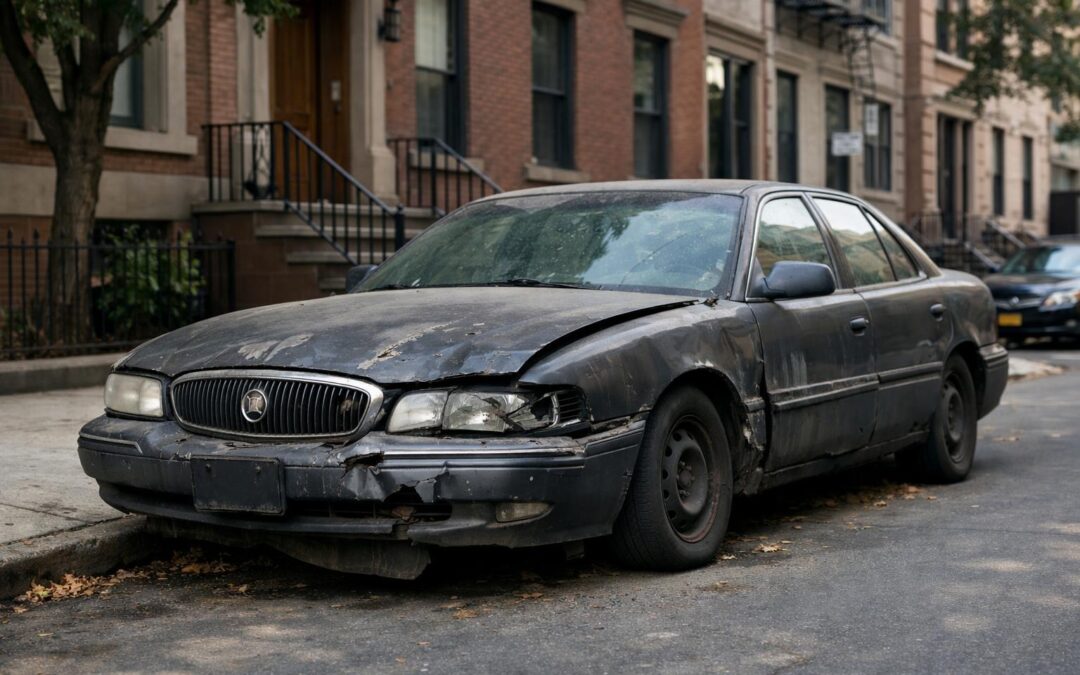
New York Free Towing: How to Get Help Without Paying a Dime
Table of Contents
- 1. What “New York Free Towing” Really Means
- 2. When You May Qualify for Free Towing in New York
- 3. Free Towing Through Auto Insurance
- 4. Manufacturer, Dealer, and Credit Card Roadside Programs
- 5. City, State, and Public Safety Tows in New York
- 6. Non‑Profit and Community Assistance Options
- 7. How to Avoid Towing Scams and Surprise Fees
- 8. Step‑by‑Step: What to Do When Your Car Breaks Down
- 9. New York Free Towing FAQ
- 10. Conclusion: Getting the Most from New York Free Towing
1. What “New York Free Towing” Really Means
New York free towing does not always mean that no one pays for the tow. In many cases, another party such as an insurance company, automaker, credit card provider, or government agency covers the cost so that you do not pay out of pocket at the scene. Understanding who actually pays can help you find legitimate free options and avoid unexpected bills.
In New York City and across the state, towing rules are strict and prices can be high. Knowing when you qualify for free or prepaid towing can save you hundreds of dollars and a lot of stress when your vehicle breaks down or is involved in an accident.
2. When You May Qualify for Free Towing in New York
There are several common situations in which drivers may be eligible for free towing in New York. Some involve private coverage while others involve public safety or government contracts.
- Breakdowns covered by your auto insurance roadside assistance add‑on
- Accidents where your insurer or the at‑fault driver’s insurer pays the towing bill
- Manufacturer roadside assistance for newer vehicles under warranty
- Dealer‑provided roadside plans after a purchase or service visit
- Certain credit card roadside dispatch or reimbursement programs
- Public safety tows after a crash, crime, or disabled vehicle in a dangerous spot
- Occasional non‑profit or charity programs for low‑income drivers
In each case, “free” usually means no payment due at the scene. It is important to verify coverage limits, distance caps, and any fees for storage, after‑hours retrieval, or special equipment.
3. Free Towing Through Auto Insurance
Many New York drivers first discover free towing through their auto insurance policy. Roadside assistance is often an optional add‑on, and sometimes it is bundled with full coverage from major insurers.
3.1 Common Insurance Roadside Benefits
- Free towing up to a certain mileage limit (for example, 5, 10, 25, or 100 miles)
- Battery jump‑starts and minor roadside repairs
- Flat tire change if you have a usable spare
- Fuel delivery (you usually pay for the fuel, but not always the delivery)
- Lockout assistance and winching from a nearby ditch or snow
3.2 Check Your Policy Before You Need Help
Do not wait until your car is stuck on the Brooklyn‑Queens Expressway to find out whether you have free towing. Log into your insurer’s app or read your declarations page. Look for a section labeled roadside assistance, towing and labor, or emergency services. The document should list your coverage limits and any caps on the number of calls per year.
If you do not already have towing coverage, adding it to your policy is often inexpensive compared with the cost of a single out‑of‑pocket tow in New York, which can easily exceed the annual premium for roadside coverage.
4. Manufacturer, Dealer, and Credit Card Roadside Programs
Even if your insurance does not include towing, you may still have access to New York free towing through other memberships or benefits that you already pay for indirectly.
4.1 Manufacturer Roadside Assistance
Automakers frequently include roadside assistance, including towing, for a set number of years or miles. This coverage often follows the vehicle’s warranty and may apply anywhere in New York.
- New vehicles usually have multi‑year coverage at no additional charge
- Certified pre‑owned vehicles often get extended roadside benefits
- Some programs cover accidents; others only cover mechanical breakdowns
Call the manufacturer’s roadside number listed in your owner’s manual or on a card in your glove box to verify whether towing is covered and to what distance.
4.2 Dealer and Service‑Center Benefits
Some New York dealerships offer complimentary roadside assistance after you purchase a vehicle or major service package. Benefits may include free towing back to the dealership’s service department within a certain radius. Ask your sales or service advisor what is included and get any promises in writing.
4.3 Credit Card Roadside Assistance
Certain credit cards provide roadside assistance as a built‑in perk or a pay‑per‑use service. In some cases, towing may be free up to a limited distance, while in others you pay a flat fee. Reading the benefit guide that came with your card can reveal hidden coverage that can function as free or reduced‑cost towing when used correctly.
5. City, State, and Public Safety Tows in New York
Not all New York towing is voluntary. Police departments, transportation authorities, and other agencies can order tows for safety or enforcement reasons. Sometimes the tow itself is covered by a contract and may feel free at first, but fees can appear later in the form of storage or release charges.
5.1 Police‑Ordered Tows After an Accident
When your vehicle is disabled after a crash on a New York highway or city street, police may call a rotation tow company to remove it for safety. In many cases, your insurance will pay the towing bill if you carry the right coverage. However, storage fees at the tow yard can become your responsibility if you delay picking up the vehicle.
5.2 Parking Violations and Impound Tows
Parking in a tow‑away zone, blocking driveways, or ignoring tickets can lead to your vehicle being towed and impounded. These tows are never truly free. You will typically face:
- A towing fee set by the city or authorized tow operator
- Daily or hourly storage fees at the impound lot
- Outstanding tickets, penalties, or boot fees
The best way to avoid these charges is to follow posted parking rules, pay tickets promptly, and respond quickly to any notice that your vehicle has been towed.
6. Non‑Profit and Community Assistance Options
Some drivers in New York face emergencies without the cash or coverage to pay for a tow. In certain cases, community organizations, charities, or religious institutions can connect people with low‑cost or free towing support, especially when safety or essential employment is at stake.
- Local community centers may know volunteer mechanics or tow operators
- Charitable groups sometimes provide limited emergency car assistance
- Work‑related support programs can help essential workers reach their jobs
Free towing from these sources is limited and often based on need, so be prepared to explain your situation honestly and provide documentation if requested.
7. How to Avoid Towing Scams and Surprise Fees
New York’s dense traffic and strict parking rules create opportunities for dishonest tow operators. Understanding your rights and standard charges can protect you from abuse when you are vulnerable at the roadside.
7.1 Watch for Red Flags
- Tow trucks that appear without being called and pressure you to sign quickly
- Blank or confusing paperwork with no clear price list
- Refusal to take you to your preferred repair shop within a reasonable distance
- Demands for large cash payments on the spot
7.2 Know Typical Fee Structures
Even when a tow is marketed as free, additional charges may apply. Common fees include:
- Per‑mile charges beyond a free mileage limit
- Winching and recovery fees if your car is stuck off the roadway
- After‑hours or weekend surcharges
- Storage fees if your car is held at a yard instead of taken directly to a shop
Ask for a written estimate before signing any authorization form. If the tow is being arranged through insurance, your insurer can often confirm whether the operator is authorized and what they are allowed to charge.
8. Step‑by‑Step: What to Do When Your Car Breaks Down
If your vehicle fails in New York, staying calm and following a clear checklist increases your chances of getting safe, low‑cost, or free towing.
- Move the vehicle to a safe spot if possible, and turn on hazard lights.
- Exit carefully and stand in a safe location away from traffic.
- Check your insurance card, owner’s manual, and wallet for roadside numbers.
- Call your insurer, automaker, dealer, or card provider to request a tow.
- Confirm whether towing is free and the allowed mileage or limits.
- Ask which tow company is being dispatched and how long it will take.
- When the truck arrives, verify the company name and driver identity.
- Review and sign paperwork only after confirming costs and destination.
- Take photos of your vehicle before it is loaded on the truck.
- Keep receipts in case you need to request reimbursement later.
9. New York Free Towing FAQ
9.1 Is towing ever completely free in New York?
Yes, but usually only when someone else pays the bill. That might be your insurance company, automaker, dealer, employer, credit card issuer, or a government agency. Truly no‑cost, no‑one‑pays towing is extremely rare.
9.2 How do I find out if I have free towing right now?
Review your auto insurance policy for roadside assistance, check your vehicle warranty booklet, look at any dealer service contracts, and read your credit card benefit guides. Each may list towing as a covered benefit with limits and phone numbers.
9.3 Does New York City provide free towing for disabled vehicles?
In some emergency situations, police or transportation authorities may arrange a tow for safety reasons. That tow might not require payment on the spot, but storage or related fees can still apply, and your insurance may be billed later.
9.4 Can I get free towing after a crash if I am not at fault?
Often, yes. The at‑fault driver’s insurance may cover your towing costs, or your own policy may provide coverage regardless of fault. Keep copies of towing invoices and speak to your insurance adjuster about reimbursement if you had to pay up front.
9.5 Are there any mileage limits on free towing?
Almost all free towing programs in New York include mileage limits. Common caps are 5, 10, 15, 25, or 100 miles. Exceeding the limit usually triggers a per‑mile charge that you must pay out of pocket, so verify the limit before agreeing to a destination.
9.6 Can I choose where my car is towed under a free program?
Usually you can select a destination within the covered mileage area, such as your preferred repair shop, home, or dealership. Some programs require the vehicle to be towed to a specific network shop or dealer. Ask about restrictions before the tow begins.
9.7 What if a tow truck shows up when I did not call one?
Be cautious. Unless the truck was dispatched by police, your insurer, or a program you recognize, you are not obligated to accept the service. Politely refuse, verify with your insurer that a legitimate truck is on the way, and avoid signing any paperwork from unsolicited operators.
9.8 Are impound and parking tows ever free?
No. When your vehicle is towed for parking violations or impoundment in New York, you will be responsible for associated towing, ticket, and storage fees. These tows are not covered by typical free towing programs.
9.9 Can low‑income drivers get assistance with towing costs?
In limited cases, yes. Some non‑profits, community groups, and religious organizations help with transportation emergencies for people facing financial hardship. Assistance is usually needs‑based and may depend on local resources and grant funding.
9.10 How can I make sure my tow is covered before the truck arrives?
Call the number on your insurance card, warranty booklet, or membership card and ask them to dispatch a tow on your behalf. Confirm that the operator they send is part of the program and that your towing costs will be billed directly, not collected in cash at the scene.
Example: Comparing New York Towing Options
The table below compares a few common ways New York drivers might access free or low‑cost towing. Specific details vary by company and program, but this overview highlights typical differences you should watch for.
| Source of Towing | Who Pays | Typical Mileage Limit | When It Applies | Common Extra Fees |
|---|---|---|---|---|
| Auto Insurance Roadside Assistance | Insurance company | 5–100 miles, depending on plan | Breakdowns, some accidents | Over‑mileage charges, storage, after‑hours |
| Manufacturer Roadside Program | Automaker | Often to nearest dealer, sometimes unlimited | Mechanical failures during warranty | Transport beyond nearest dealer, storage |
| Dealer or Service‑Center Benefit | Dealership or service provider | Fixed radius around dealer | Recent purchase or service customers | Tows outside radius, specialty services |
| Credit Card Roadside Assistance | Card issuer or cardholder | Varies widely by card | Cardholder requests dispatch | Flat service fees, added mileage costs |
| Police or Public Safety Tow | Insurer, driver, or government | Based on official contracts | Crashes, disabled or illegally parked vehicles | Impound, storage, ticket and release fees |
| Non‑Profit or Community Help | Charity or donor | Usually limited, case‑by‑case | Financial hardship or special need | Limited availability, strict eligibility |
10. Conclusion: Getting the Most from New York Free Towing
New York free towing is possible, but it rarely happens by accident. The smartest time to prepare is before your vehicle breaks down. Review your insurance, warranty, dealer paperwork, and credit card benefits so you know exactly who to call and what is covered. Understand that “free” usually means prepaid or third‑party‑funded, and always confirm mileage limits and potential extra fees before you sign anything.
By knowing your options, spotting red flags, and following a clear plan in an emergency, you can protect yourself from overpriced or unnecessary tows and take full advantage of the New York free towing resources that are legitimately available to you.