
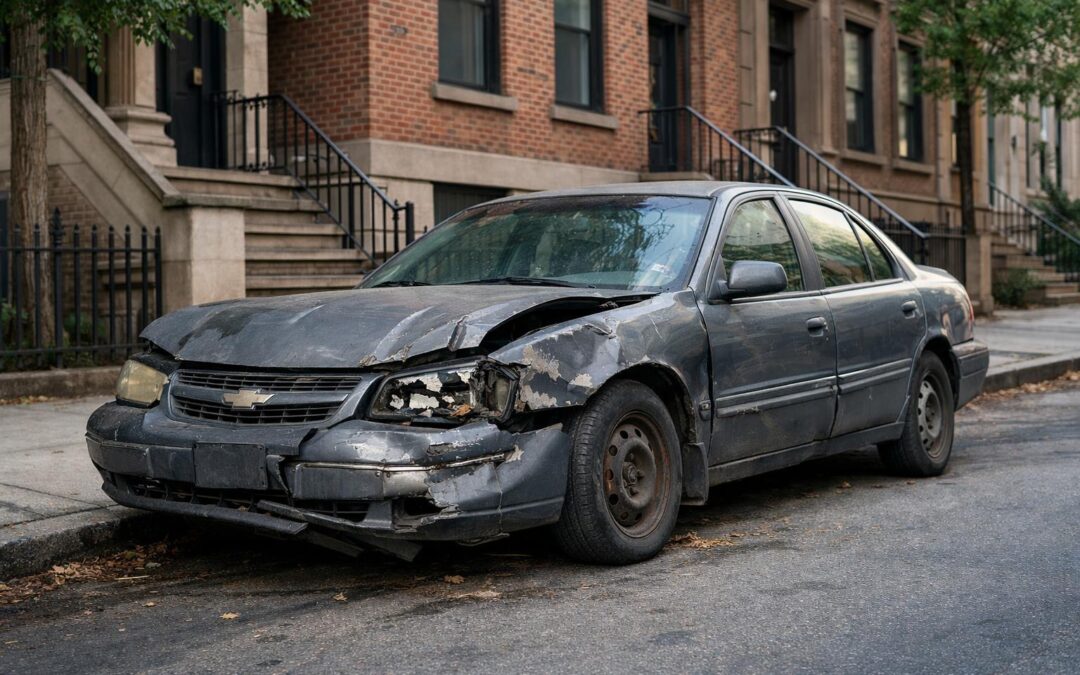
Broken Car Removal: How to Get Rid of Your Damaged Vehicle the Smart Way
Table of Contents
- What Is Broken Car Removal?
- Signs It’s Time to Remove Your Broken Car
- Options for Getting Rid of a Broken Car
- How Professional Broken Car Removal Works
- Documents and Preparation Checklist
- How Much Is a Broken Car Worth?
- Environmental Benefits of Broken Car Removal
- Common Mistakes to Avoid
- Frequently Asked Questions About Broken Car Removal
- Conclusion: Turning a Problem Car into Cash and Peace of Mind
What Is Broken Car Removal?
Broken car removal is the process of collecting, towing, and recycling or disposing of vehicles that are no longer roadworthy, too expensive to repair, or completely written off. Instead of allowing a damaged car to sit in your driveway, yard, or garage, a removal service takes it away and often pays you for the scrap value.
These services usually focus on vehicles that are:
- Accident damaged or written off
- Mechanically faulty or not running
- Severely rusted or structurally compromised
- Unregistered, unwanted, or abandoned
The goal of broken car removal is to make the process quick, safe, and hassle free while maximizing recycling and minimizing environmental impact.
Signs It’s Time to Remove Your Broken Car
Many owners delay broken car removal because they hope to repair the vehicle “one day.” However, keeping a non-running car for too long can cost money and create safety issues. Consider removal if you notice these signs:
- Repairs cost more than the car’s value – When major repairs exceed the market or sentimental value of the car, removal often makes more sense.
- The car has been sitting for months – A stationary car degrades quickly, and parts corrode, making future repairs even less realistic.
- It has severe structural damage – Bent frames, heavy rust, or major collision damage make the car unsafe even if it can be started.
- It is no longer registered or insured – Paying fees for a car you cannot use is a strong sign it is time to let it go.
- It is taking up valuable space – Garages, driveways, and yards can be put to better use than storing a broken vehicle.
If more than one of these points applies to your situation, arranging broken car removal is often the most practical choice.
Options for Getting Rid of a Broken Car
When you decide it is time to get rid of your broken vehicle, you have several options. Each comes with different levels of effort, speed, and financial return.
Sell to a Private Buyer
Sometimes, enthusiasts or hobby mechanics will buy broken cars for parts or projects. However, this option can be slow and uncertain.
- Requires advertising and negotiating
- May involve test inspections or towing at your own cost
- Only suitable if the car still has desirable parts or brand value
Trade-In at a Dealership
Some dealerships will accept damaged cars as trade-ins, especially if you are buying another vehicle from them.
- Convenient if you are already purchasing a car
- Trade-in value is usually low for broken vehicles
- Not all dealers accept non-running cars
Donate the Car
Certain charities accept broken cars, arranging towing and providing a receipt for tax purposes in some regions. While this is a generous option, you may not receive immediate cash.
Use a Professional Broken Car Removal Service
Professional broken car removal companies specialize in collecting and recycling damaged vehicles.
- They typically offer free towing
- Payment is often made on the spot
- Paperwork assistance is usually included
- They accept vehicles in almost any condition
For most owners, professional broken car removal provides the best balance of speed, simplicity, and financial return.
How Professional Broken Car Removal Works
Although every company operates slightly differently, the general process of broken car removal is similar and straightforward.
1. Request a Quote
You contact the removal service and provide details such as:
- Make, model, and year of the vehicle
- Overall condition and major damage
- Whether it starts or is completely non-running
- Your location and access for towing
Based on this information, the company offers an estimated price.
2. Schedule a Pickup
If you accept the offer, you choose a time and date. Many broken car removal services offer same-day or next-day pickup, depending on availability and your location.
3. Vehicle Inspection and Payment
When the tow truck arrives, the driver briefly inspects the car to confirm its condition. If everything matches your description, they finalize the price.
Payment is then made, often in cash or via electronic transfer, before the vehicle is loaded.
4. Towing and Recycling
The removal company tows your car to a wrecking yard, dismantling facility, or recycling center. Usable parts are salvaged, hazardous fluids are safely drained, and metals are recycled.
Proper broken car removal ensures that dangerous materials are handled correctly and that valuable resources are recovered instead of ending up in landfill.
Documents and Preparation Checklist
Being prepared makes the broken car removal process quicker and smoother. In most cases, you will need to prove you own the vehicle and that you are authorized to sell or dispose of it.
Essential Documents
- Proof of ownership – This may be the title, registration certificate, or equivalent document in your region.
- Photo identification – Such as a driver’s license or official ID card.
- Any release or transfer forms – Some areas require specific transfer or disposal forms to be signed.
Preparation Checklist
- Remove all personal belongings from the car, including glovebox, trunk, and storage compartments.
- Take off custom plates if you plan to keep or transfer them.
- Cancel insurance once the vehicle has been collected and the sale is complete.
- Check with your local authority whether you need to notify them of the vehicle disposal.
Following this checklist helps you avoid disputes and ensures there are no surprises after the removal.
How Much Is a Broken Car Worth?
The value of a broken car depends on multiple factors. While it will usually be worth less than a running vehicle, you can still expect a fair return if you choose a reputable removal service.
Key Value Factors
- Make and model – Popular models with high demand for parts tend to be worth more.
- Age and mileage – Newer vehicles and those with lower mileage often have more reusable components.
- Condition and damage – The extent of mechanical, electrical, and structural damage directly affects value.
- Weight and metal content – Heavier vehicles may bring a higher scrap metal return.
- Market prices for scrap metal – Fluctuations in metal prices can change offers over time.
Typical Value Ranges
While amounts vary widely by region and market conditions, the table below gives a simplified illustration of how some factors can influence broken car removal offers.
| Vehicle Condition | Typical Characteristics | Relative Payout Range |
|---|---|---|
| Complete Non-Runner (Severe Damage) | Missing parts, heavy collision damage, major rust | Low |
| Non-Runner (Mostly Complete) | Mechanical failure, intact body, interior mostly intact | Low to Medium |
| Starts but Not Roadworthy | Engine runs, needs major repairs or has safety issues | Medium |
| Light Damage, High-Demand Model | Popular make, valuable parts, salvageable panels | Medium to High |
| Heavy Vehicle (High Metal Content) | Trucks, SUVs, vans with substantial weight | Variable, Often Higher |
To understand what your specific car might be worth, contact a few broken car removal companies and compare quotes.
Environmental Benefits of Broken Car Removal
Leaving a broken car to deteriorate on your property is not only unsightly, it can also be harmful to the environment. Professional broken car removal helps reduce that impact.
Safe Handling of Hazardous Materials
- Engine oil, transmission fluid, and brake fluid are safely drained and processed.
- Coolants and air conditioning gases are captured instead of leaking into soil or air.
- Batteries, which contain hazardous substances, are recycled or disposed of safely.
Recycling and Resource Recovery
- Metals such as steel, aluminum, and copper are recovered and reused.
- Usable parts extend the life of other vehicles, reducing demand for new manufacturing.
- Proper dismantling reduces landfill waste and conserves natural resources.
Cleaner Properties and Communities
Removing broken, abandoned, or derelict vehicles improves curb appeal and community safety. It reduces the risk of fluid leaks, pests, and accidents, especially where children play near stored vehicles.
Common Mistakes to Avoid
To get the best outcome from broken car removal, it helps to avoid a few common errors that can cost time, money, or peace of mind.
- Accepting the first offer without comparison – Contacting several removal services usually leads to a better price.
- Forgetting to remove personal items – Once the car is gone, recovering belongings can be difficult or impossible.
- Not clarifying towing fees – Reputable broken car removal companies often include towing, but always confirm.
- Failing to complete ownership transfer – Without proper paperwork, you might remain responsible for the vehicle in official records.
- Misrepresenting vehicle condition – Accurately describing the car prevents disputes or price reductions on pickup.
By staying organized and asking the right questions, you can turn a broken vehicle into a straightforward transaction instead of a stressful chore.
Frequently Asked Questions About Broken Car Removal
1. Can I remove a broken car that does not start or has no wheels?
Yes. Most broken car removal companies are equipped to handle vehicles that will not start and even those missing wheels or other major components. They typically use winches, dollies, or tilt trays to safely load the vehicle. Mention the exact condition when requesting a quote so they can bring the right equipment.
2. Do I have to pay for towing when using a broken car removal service?
In many cases, towing is included at no charge as part of the removal service. Some providers build towing costs into their offer price, while others provide it as a separate but clearly stated fee. Always confirm whether towing is free before agreeing to the pickup.
3. What if I have lost my registration papers or title?
Requirements vary by region, but you usually still need to prove ownership. If you have lost key documents, contact your local licensing or registration authority to ask about replacements or alternative proofs of ownership. Then speak with the removal company to see which documents they can accept.
4. Can I remove a broken car that is not in my name?
Normally, the person arranging broken car removal must be the owner or have legal authority to act on the owner’s behalf. If the car is in someone else’s name, you may need a signed authorization, proof of inheritance, or transfer of ownership before the vehicle can be removed and paid for.
5. How long does broken car removal usually take?
Many services offer same-day or next-day pickup, especially in urban areas. The actual time on site is often less than 30 minutes, assuming access is straightforward and paperwork is ready. Rural or hard-to-access locations may require additional time to schedule a truck.
6. Will I get more money if I remove parts from the car first?
Removing valuable parts yourself might increase your total return if you can sell those parts separately. However, doing so can lower the scrap value and make towing more complicated. If you plan to strip parts, discuss this with the broken car removal service so they can give an accurate quote.
7. Do I need to cancel my insurance and registration after removal?
Yes. After the broken car has been collected and the sale or disposal is complete, you should contact your insurer to cancel or adjust your policy. You may also need to formally cancel or transfer the registration depending on local regulations. Keeping records of the sale and cancellation protects you from future liability.
8. Can I get a receipt or proof that the car was recycled?
Most reputable broken car removal providers can issue a receipt or a disposal notice showing that they have taken ownership of the vehicle. Some can also confirm that the car will be dismantled or recycled through licensed facilities. Keep these documents for your records and for any regulatory or tax purposes.
9. Is broken car removal available for all vehicle types?
Broken car removal services usually accept a wide range of vehicles, including cars, vans, SUVs, utes, and light trucks. Some also handle motorcycles, caravans, and heavier commercial vehicles. It is always best to specify the type, size, and condition of your vehicle when requesting a quote.
10. What happens to my number plates?
In many regions, you are responsible for removing the plates before the vehicle is taken away and returning them to the appropriate authority if required. Some owners choose to transfer plates to another vehicle. Ask your local registration office for the correct procedure and make sure to remove plates before pickup if necessary.
Conclusion: Turning a Problem Car into Cash and Peace of Mind
Broken car removal transforms an unusable, space-consuming vehicle into something useful again. Instead of allowing a damaged car to deteriorate and create potential hazards, you can quickly convert it into cash, reclaim your space, and support responsible recycling.
By understanding your options, preparing the right documents, and choosing a reputable broken car removal service, you remove stress and uncertainty from the process. Whether your car has been sitting for months, is freshly damaged, or has simply reached the end of its life, arranging broken car removal is an efficient, environmentally conscious way to move forward.