
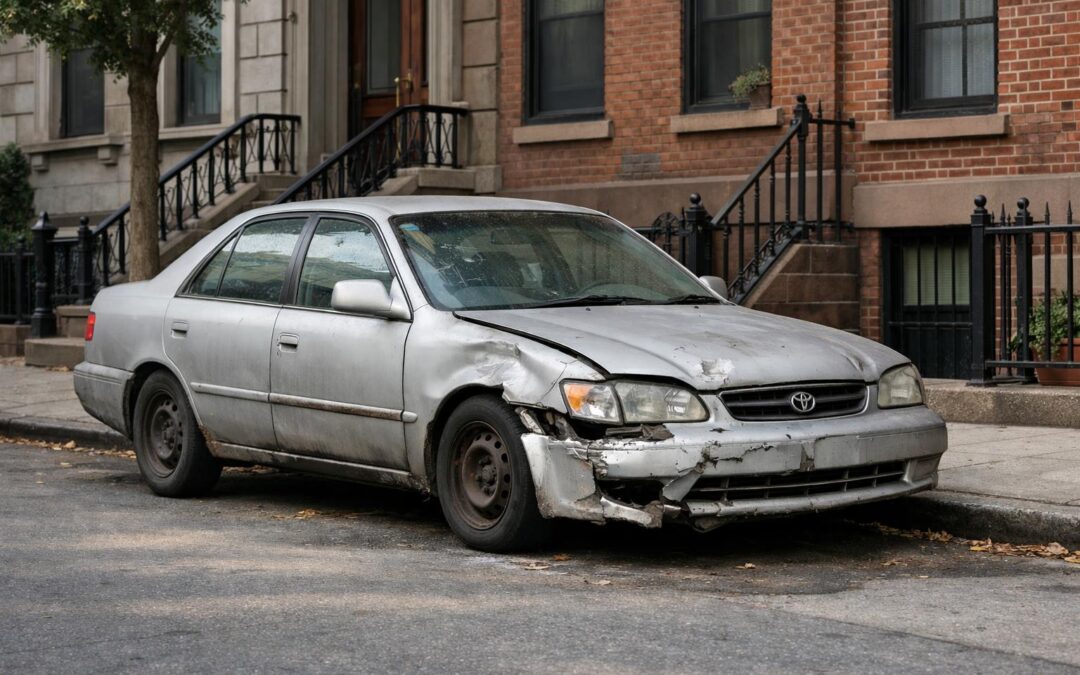
Car Removal Service: The Complete Guide to Getting Cash for Your Old Vehicle
Table of Contents
- What Is a Car Removal Service?
- How Car Removal Services Work Step by Step
- Types of Vehicles Accepted
- Top Benefits of Using a Car Removal Service
- How to Prepare Your Car Before Removal
- Understanding Car Removal Pricing and Quotes
- Environmental Impact and Recycling Process
- Choosing a Reliable Car Removal Service
- Frequently Asked Questions About Car Removal
- Conclusion: Is a Car Removal Service Right for You?
What Is a Car Removal Service?
A car removal service is a professional service that collects unwanted, damaged, or end-of-life vehicles from your property, often paying you cash on the spot. Instead of leaving an old car to rust in your driveway or paying to tow it away, you can have specialists remove it quickly and responsibly.
These services typically handle all the logistics, including towing, paperwork, and recycling. Whether your car is running or completely dead, a car removal company will assess its value, offer you a price, and remove it with minimal hassle.
How Car Removal Services Work Step by Step
While every company has its own process, most car removal services follow a similar series of steps:
-
Initial Contact
You contact the car removal service by phone or online and provide basic details about your vehicle, such as make, model, year, condition, and location.
-
Free Quote
Based on the information you provide, the company gives you a no-obligation quote. This is typically a cash offer for your vehicle as-is.
-
Booking a Pickup Time
If you accept the offer, you schedule a convenient date and time for the removal. Many services offer same-day or next-day pickup.
-
On-Site Inspection
The driver or assessor may quickly inspect the car upon arrival to confirm its condition matches the description you gave.
-
Paperwork and Payment
You provide title or proof of ownership as required in your area, sign any necessary forms, and receive payment, usually in cash or bank transfer.
-
Vehicle Removal
The car is towed or loaded onto a truck and taken to a wrecking yard, scrap yard, or recycling facility for dismantling and processing.
Types of Vehicles Accepted
Car removal services typically accept a wide variety of vehicles in almost any condition. You do not need a roadworthy certificate or registration for many removal companies, though this can vary by location.
Common Vehicle Types
- Passenger cars (sedans, hatchbacks, coupes)
- SUVs and 4x4s
- Utes and pickup trucks
- Vans and light commercial vehicles
- Old fleet vehicles and company cars
Vehicle Conditions Typically Accepted
- Running or non-running cars
- Accident-damaged vehicles
- Written-off and insurance total loss cars
- Rusty and high-mileage vehicles
- Unregistered and unwanted cars
Even if your vehicle is severely damaged, stripped of parts, or has not started in years, a car removal service may still offer you a fair price for its scrap metal and remaining components.
Top Benefits of Using a Car Removal Service
Using a professional car removal service offers several advantages compared to trying to sell or dispose of an old car on your own.
-
Fast and Convenient
You avoid advertising, negotiating with buyers, and arranging test drives. The entire process can often be completed within 24 hours.
-
Free Towing
Most car removal services include free towing, so you do not pay anything to have the vehicle collected from your property.
-
Cash for Unwanted Vehicles
Instead of paying to dispose of your car, you receive money for it, even if it is old, damaged, or not running.
-
Environmentally Responsible Disposal
Reputable companies recycle fluids, metals, and components to reduce landfill waste and environmental harm.
-
Space and Safety
Removing an unused vehicle frees up parking or yard space and reduces the risk of leaks, pests, or injuries from a deteriorating car.
A car removal service turns a potential liability sitting in your driveway into an asset that puts cash in your hand and clears your space.
How to Prepare Your Car Before Removal
You can make the car removal process smoother and avoid potential issues by preparing your vehicle in advance.
-
Remove Personal Belongings
Check the glove box, center console, under the seats, trunk, and door pockets. Remove documents, electronics, tools, and any personal items.
-
Gather Paperwork
Prepare your title or equivalent proof of ownership. Some locations also require identification or registration documents.
-
Remove License Plates
In many regions, you must remove and return license plates to the relevant authority when you dispose of a vehicle.
-
Cancel Insurance and Registration
After the car is collected, contact your insurer and local department of motor vehicles or equivalent authority to cancel coverage and registration.
-
Check for Aftermarket Parts
If you have valuable aftermarket components like stereo systems or alloy wheels, ask the removal service whether you can keep or swap them.
Understanding Car Removal Pricing and Quotes
The amount of money you receive from a car removal service depends on several key factors. Knowing what affects price can help you set reasonable expectations and potentially secure a better deal.
| Factor | How It Affects Price |
|---|---|
| Make and Model | Popular models and brands with high-demand parts usually fetch higher prices. |
| Age and Condition | Newer vehicles or those in better structural condition are typically worth more. |
| Weight and Metal Content | Heavier vehicles have more scrap metal, which can increase the offer. |
| Current Scrap Metal Prices | Market prices for steel, aluminum, and other metals influence overall value. |
| Demand for Parts | If parts from your car are in high demand, the company may offer a premium. |
| Location and Distance | Remote or hard-to-access locations may slightly reduce offers due to towing costs. |
To get the best price, provide accurate information about your vehicle and consider getting quotes from multiple car removal services. Avoid exaggerating the car’s condition, as this may lead to renegotiation or reduced offers at pickup.
Environmental Impact and Recycling Process
A major advantage of using a professional car removal service is the environmentally responsible way they dispose of and recycle vehicles. Rather than ending up in a landfill, most of your car can be reused or recycled.
Typical Car Recycling Stages
-
Depollution
Hazardous fluids such as fuel, oil, coolant, and brake fluid are carefully drained and either recycled or disposed of according to environmental regulations.
-
Parts Reuse
Usable components like engines, gearboxes, alternators, and doors are removed, tested, and resold as second-hand parts.
-
Material Separation
The remaining shell is crushed or shredded, and materials such as steel, aluminum, glass, and plastics are separated for recycling.
-
Metal Recycling
Metals are melted down and used in manufacturing new products, reducing the need for raw material extraction.
By choosing a reputable car removal service that follows strict recycling standards, you help minimize waste, lower carbon emissions, and reduce environmental contamination from abandoned or neglected vehicles.
Choosing a Reliable Car Removal Service
Not all car removal companies operate to the same standard. Taking time to choose a reputable service can protect you from scams, underpayment, or improper disposal of your vehicle.
Key Things to Look For
-
Licensing and Compliance
Ensure the business is licensed or registered as required in your area and follows environmental and safety regulations.
-
Clear and Fair Pricing
Look for companies that provide transparent quotes with no hidden towing or administration fees.
-
Free, Fast Pickup
Many reputable services offer same-day pickup and free towing, which adds to your convenience.
-
Positive Customer Feedback
Reviews and testimonials can reveal how a company treats customers and whether they honor quoted prices.
-
Professional Communication
Reliable services respond promptly, answer questions clearly, and provide written confirmation of offers when requested.
Choosing the right provider ensures you receive a fair payment, your car is disposed of responsibly, and the entire process is efficient and stress-free.
Frequently Asked Questions About Car Removal
1. Do I have to pay for towing when using a car removal service?
In most cases, towing is completely free when you use a car removal service. The towing cost is usually built into the quote you receive, so you do not pay anything out of pocket for pickup.
2. Can I sell a car that does not run or has major damage?
Yes. Car removal services regularly buy non-running, accident-damaged, and written-off vehicles. Even if the car cannot be repaired, it still has value for scrap metal and salvageable parts.
3. What documents do I need to provide?
Requirements vary by region, but you will typically need:
- Proof of ownership (such as a title or registration)
- Photo identification in some cases
- Signed transfer or disposal forms, if required by local law
Always confirm documentation requirements with the car removal service before pickup.
4. How long does the car removal process take?
From first contact to final pickup, the process can often be completed in the same day or within 24 to 48 hours, depending on your location, the company’s schedule, and the condition of your vehicle.
5. Will I get more money selling my car privately instead?
If your car is in good condition, you might get more selling it privately. However, a private sale typically requires:
- Advertising and listing fees
- Time spent meeting buyers and arranging inspections
- Potential repairs and cleaning to make the car sellable
For old, damaged, or unwanted cars, a car removal service often provides a faster, easier option with fair compensation and minimal effort.
6. Can I use a car removal service if I have lost my keys?
In many cases, yes. Tow truck operators can load vehicles without keys, especially if they are not being driven. However, the company may adjust the offer slightly if they cannot start the vehicle to check certain components. Always inform the service ahead of time if you do not have keys.
7. What happens to my car after it is removed?
After collection, your car is usually taken to a:
- Wrecking yard for parts removal and resale
- Scrap yard for metal recycling
- Recycling facility for depollution and material separation
Usable parts are resold, and the rest is dismantled and recycled to minimize environmental impact.
8. Can I remove parts from the car before it is collected?
You can often remove personal or aftermarket items, but you should inform the car removal service if you intend to remove major components like wheels, batteries, or catalytic converters, as this may reduce the price they offer. Agreements are typically based on the car’s condition at the time of the quote.
9. Is there a minimum or maximum number of cars they will take?
Most services are happy to collect a single vehicle, but many also work with businesses and fleet owners to remove multiple cars at once. If you have several vehicles, you may be able to negotiate a bulk deal or coordinated pickup.
10. Do I need to be present when the car is removed?
Ideally, yes, so you can sign paperwork, hand over keys if available, and receive payment. In some circumstances, arrangements can be made for contactless pickup, provided documentation is completed in advance. Discuss this with the service before booking.
Conclusion: Is a Car Removal Service Right for You?
A car removal service offers a simple, efficient way to turn an unwanted vehicle into cash while ensuring it is disposed of responsibly. If your car is old, damaged, unregistered, or too costly to repair, removal services can save you time, stress, and money compared to trying to sell privately or paying for towing and disposal.
By understanding how the process works, what affects pricing, and how to choose a trustworthy provider, you can confidently arrange for your car to be collected and recycled. In just a few steps, you will reclaim valuable space, reduce environmental impact, and receive a fair payment for a vehicle you no longer need.