
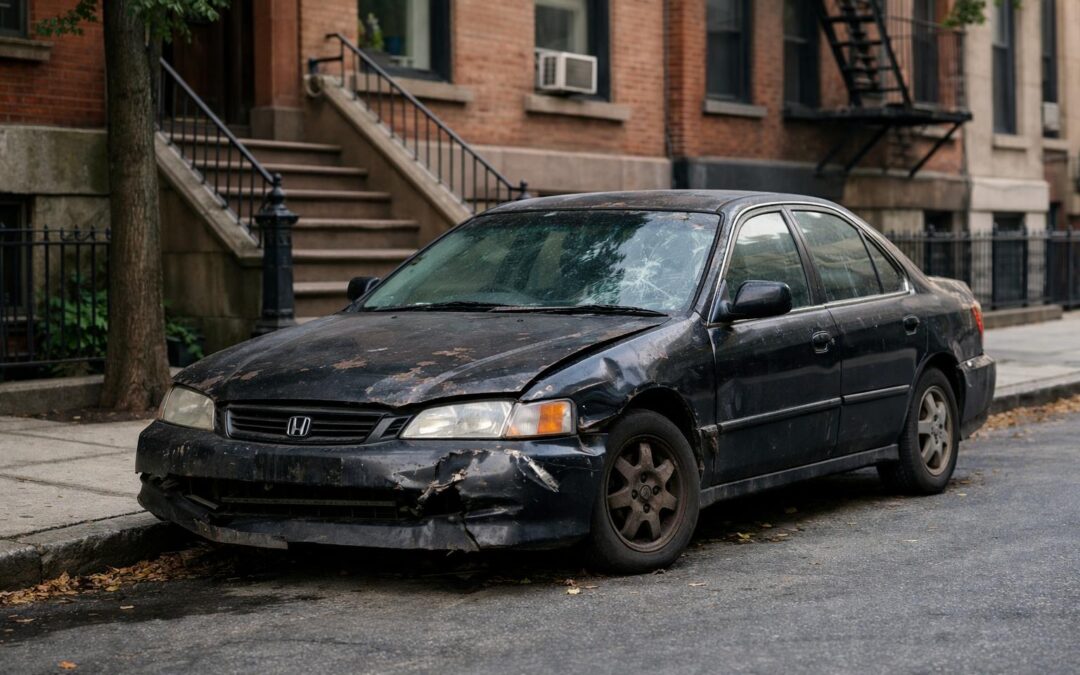
Cash For Cars: The Complete Guide to Selling Your Vehicle Fast
Table of Contents
- Introduction: What Does “Cash For Cars” Really Mean?
- How Cash For Cars Services Work
- Types of Vehicles You Can Sell for Cash
- Pros and Cons of Cash For Cars vs Private Sale
- How to Maximize the Payout for Your Car
- Important Documents and Legal Considerations
- Common Myths About Cash For Cars
- Step‑By‑Step Process: From Quote to Pickup
- Frequently Asked Questions About Cash For Cars
- Conclusion: Is Cash For Cars Right for You?
Introduction: What Does “Cash For Cars” Really Mean?
Cash for cars is a simple way to sell any vehicle quickly, often in as little as one day. Instead of advertising your car, meeting strangers, and negotiating for weeks, you contact a cash for cars buyer who offers an instant quote and usually picks up the vehicle for free.
These services are popular for unwanted, damaged, or old cars, but many also buy running, late‑model vehicles. The main attraction is speed and convenience: you exchange your car for cash with minimal effort and paperwork.
How Cash For Cars Services Work
While each company has its own process, most cash for cars services follow a similar pattern. Understanding this process helps you avoid surprises and prepare your vehicle for a smooth sale.
Typical Cash For Cars Process
- Initial Contact: You call or submit an online form with your car’s details such as make, model, year, mileage, and condition.
- Instant or Same‑Day Quote: Based on your information, the buyer gives you an estimated cash offer.
- Offer Confirmation: If you accept, they schedule an inspection and pickup time that works for you.
- Vehicle Inspection: A representative inspects the car to verify condition and paperwork.
- Final Offer and Payment: After inspection, they confirm the price and pay you on the spot, usually in cash or bank transfer.
- Paperwork and Towing: You sign the title and any required documents, and the company tows the car away.
What Information You Need to Provide
- Year, make, and model of the vehicle
- Approximate mileage
- Overall condition (running, not running, damage)
- Accident history if known
- Whether you have the title and registration
The more accurate your information, the more accurate your initial cash quote will be.
Types of Vehicles You Can Sell for Cash
Cash for cars services are usually more flexible than private buyers or traditional dealerships. Many will buy almost any vehicle, regardless of condition.
Common Vehicle Types Accepted
- Running daily drivers
- Old cars with high mileage
- Damaged or accident‑involved vehicles
- Non‑running cars and “mechanic specials”
- Junk and scrap vehicles
- Vans, SUVs, trucks, and utes
- Some services also buy commercial or fleet vehicles
Condition Categories
To understand how your car might be valued, it helps to know how buyers typically categorize condition:
- Excellent: Late‑model, low mileage, well‑maintained, no major issues.
- Good/Fair: Older or higher mileage vehicles that still run and are roadworthy.
- Poor: Significant cosmetic or mechanical issues but still somewhat drivable.
- Non‑Running/Junk: Engine or transmission failure, heavy damage, or not worth repairing.
Pros and Cons of Cash For Cars vs Private Sale
Selling a car for cash is not the only option, but it is often the most convenient. Comparing it to private sale or trading in at a dealership can help you decide what works best for your situation.
| Option | Main Advantages | Main Disadvantages |
|---|---|---|
| Cash For Cars |
|
|
| Private Sale |
|
|
| Dealer Trade‑In |
|
|
If your top priority is speed and simplicity, cash for cars is usually the winner. If you are willing to invest more time for the highest possible price, a private sale might be worth it.
How to Maximize the Payout for Your Car
Even with a quick cash for cars sale, there are ways to improve your offer. Small steps can sometimes add up to a noticeably better price.
1. Be Honest but Smart About the Condition
You should never lie about your car’s condition, but you can present it clearly and completely. Mention positive points such as recent maintenance, new tires, or a clean interior, as these can help raise your quote.
2. Remove Personal Items and Clean the Vehicle
A quick clean makes it easier for the buyer to inspect and shows that the car has been cared for. Remove:
- All personal belongings from the cabin and trunk
- Parking passes and toll tags
- Custom accessories you want to keep, if allowed
3. Gather Service Records
If you have maintenance receipts or a service logbook, keep them ready. Evidence of regular servicing can support a higher offer, especially for running vehicles.
4. Get Multiple Quotes
Do not rely on a single offer. Contact a few different cash for cars services, provide the same details, and compare quotes. You can sometimes use a higher quote to negotiate with another buyer.
5. Know Your Vehicle’s Market Value
Look up approximate market values for cars similar to yours in age, mileage, and condition. While a cash for cars offer will be lower than the retail value, knowing the ballpark helps you spot unreasonable offers.
Important Documents and Legal Considerations
Selling a car is a legal transaction. Handling the paperwork properly protects you and ensures the buyer can take ownership without complications.
Key Documents You May Need
- Vehicle Title: Proves you own the car and can legally sell it.
- Registration: Confirms the vehicle details and current registration status.
- Photo ID: Driver’s license or other government‑issued identification.
- Release of Liability: Notifies the authorities that you are no longer responsible for the vehicle.
- Loan Payoff Details: If the car still has finance owing, you may need lender information.
Ownership and Title Issues
If you do not have a clear title, the process can be more complicated but not always impossible. Some cash for cars buyers can:
- Help you replace a lost title, depending on local rules
- Purchase vehicles with finance, paying off the lender directly
- Advise what steps are needed if the title has multiple owners
Always verify the legal process in your area and ensure the title is properly transferred out of your name to avoid future liability for tickets or accidents.
Common Myths About Cash For Cars
There are many assumptions about cash for cars that are not always accurate. Understanding the reality helps you make a more informed decision.
Myth 1: Cash For Cars Only Buys Junk
While junk and scrap vehicles are a big part of the industry, many services buy good, running cars as well. They may resell these vehicles at auction or to other buyers, which is why they are interested in all kinds of cars.
Myth 2: You Will Always Get the Worst Price
Cash for cars is about balancing price with convenience. The offer may be lower than a top‑dollar private sale, but it is often better than a low dealer trade‑in, especially if your car is damaged or hard to sell.
Myth 3: It Is Not Safe to Sell for Cash
Reputable cash for cars services are licensed and insured businesses. They usually handle transactions in a professional way with proper receipts and paperwork. As with any sale, you should still:
- Verify the company’s details
- Meet in a safe, public place if possible
- Make sure payment clears before you hand over the keys and signed title when using non‑cash payment methods
Myth 4: The First Offer Is Non‑Negotiable
Some companies have fixed pricing, but many leave room for negotiation, especially if you can show higher quotes from competitors or provide additional positive details about your car’s condition.
Step‑By‑Step Process: From Quote to Pickup
To make your cash for cars experience as smooth as possible, follow a clear step‑by‑step approach.
Step 1: Prepare Your Information
- Gather car details: year, make, model, mileage
- Check the VIN (vehicle identification number) if required
- Note any damage, repairs, or recent maintenance
Step 2: Request Multiple Quotes
- Contact at least two or three cash for cars buyers
- Provide identical information each time
- Record the offers and conditions, such as free towing or same‑day payment
Step 3: Choose the Best Offer
Do not automatically pick the highest price. Consider:
- Reputation and professionalism of the buyer
- Payment method and timing
- Any hidden fees, such as towing or paperwork charges
Step 4: Schedule Pickup
- Choose a time and location convenient for you
- Have your documents ready in advance
- Remove your license plates if required in your area
Step 5: Final Inspection and Payment
When the buyer arrives:
- Allow them to inspect the vehicle
- Review the final offer and confirm it matches what was agreed
- Receive payment and verify it
- Sign the title and any additional forms
Step 6: After the Sale
- Notify your insurance company and cancel or adjust coverage
- File any required notice of sale or release of liability
- Keep copies of the bill of sale and any documents for your records
Frequently Asked Questions About Cash For Cars
1. How much money can I get for my car?
The amount depends on age, mileage, condition, demand, and scrap metal prices. Running, late‑model cars will bring more, while non‑running or heavily damaged cars are usually valued for their parts and metal. Getting several quotes is the best way to gauge your car’s cash for cars value.
2. Do I need a title to sell my car for cash?
In most cases, yes, a title is required to complete the sale. Some buyers can work with lost or damaged titles, but the process is more complex and may require extra steps with your local motor vehicle authority. Always ask the buyer what they can accept in your area.
3. Will the company tow my car for free?
Many cash for cars services include free towing, especially for non‑running or junk vehicles. However, policies vary. Confirm whether towing is free, included in the quote, or charged separately before agreeing to the sale.
4. Can I sell a financed or leased vehicle?
Selling a financed car is sometimes possible if the cash offer is high enough to pay off the loan. The buyer may pay the lender directly. Selling a leased vehicle is more complicated and usually requires permission from the leasing company. Always check with your lender or lessor first.
5. How quickly can I get paid?
Many cash for cars transactions are completed within 24 to 48 hours from the initial quote. Payment is typically made at pickup, either in cash, cashier’s check, or electronic transfer, depending on the company’s policies.
6. Is the online quote guaranteed?
Most online or phone quotes are estimates based on the information you provide. If the actual condition differs when the buyer inspects the car, the offer may change. Being honest and accurate about your car’s condition helps minimize any difference between the quote and final offer.
7. What if my car does not run?
Non‑running cars are common in cash for cars transactions. Buyers will usually base the price on parts and scrap value and will arrange towing. You do not need to repair the car first unless it is a minor, inexpensive fix that could significantly raise its value.
8. Are there any hidden fees?
Reputable buyers are upfront about all costs. Potential fees include towing charges, document processing, or deductions for missing parts like catalytic converters. Always ask for a complete breakdown of the offer and any possible fees before agreeing.
9. Can I sell a car on behalf of someone else?
Only the legal owner listed on the title can sell the vehicle, unless you have legal authorization such as a power of attorney. You may help with the process, but the owner or authorized person will usually need to sign the title and key documents.
10. What happens to my car after I sell it?
Depending on its condition, your car may be:
- Repaired and resold at auction or retail
- Dismantled for parts
- Sent to a recycler for scrap metal
In all cases, the buyer aims to recover value through resale, parts, or recycling processes.
Conclusion: Is Cash For Cars Right for You?
Cash for cars offers a fast, convenient way to sell almost any vehicle, from pristine daily drivers to total write‑offs. You avoid advertising costs, time‑wasting buyers, and complicated negotiations, trading a small portion of potential price for simplicity and speed.
If you need to:
- Get rid of an unwanted or damaged vehicle quickly
- Avoid the stress of private selling
- Turn your old car into instant cash
then a cash for cars service can be an ideal solution. By understanding how the process works, gathering the right documents, and comparing multiple offers, you can confidently secure a fair cash price and move on without the hassle of a traditional car sale.