
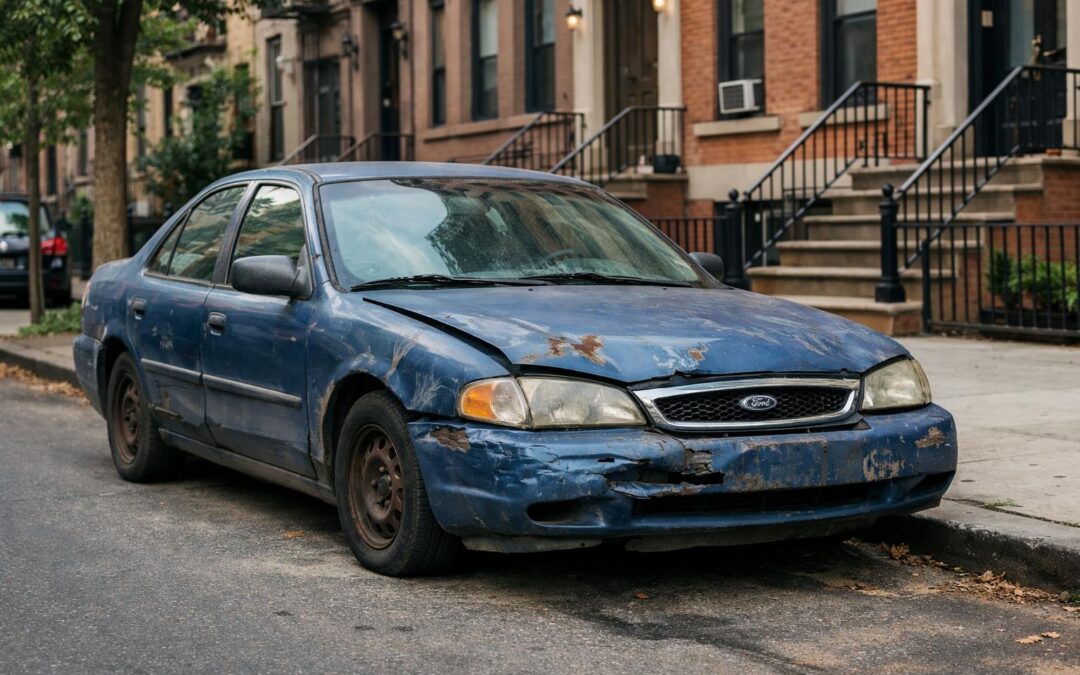
Cash For Cars New York: The Complete Guide To Selling Your Vehicle Fast
Table of Contents
- Introduction to Cash For Cars in New York
- How Cash For Cars Services Work in New York
- Types of Vehicles You Can Sell for Cash
- Required Documents and Legal Considerations in New York
- How to Maximize Your Payout
- Comparing Cash For Cars vs Traditional Selling Methods
- Understanding the Car Removal and Towing Process
- Common Scams and How to Avoid Them
- Frequently Asked Questions About Cash For Cars New York
- Conclusion: Is Cash For Cars in New York Right For You?
Introduction to Cash For Cars in New York
Cash for cars services in New York offer a fast and convenient way to sell unwanted vehicles, whether they are running or not. Instead of dealing with private buyers or lengthy dealership negotiations, these services typically provide same-day or next-day offers and free removal across the city and surrounding areas.
From Manhattan and Brooklyn to Queens, the Bronx, Staten Island, and upstate regions, the demand for quick vehicle disposal and instant cash payouts has grown. Tight parking, strict street-cleaning rules, and high insurance costs make it expensive to hang on to an unused car, truck, or SUV. Cash for cars New York companies help solve this problem by turning old vehicles into immediate money.
Understanding how these services work, what affects your offer, and how to stay compliant with New York State laws will help you get the best possible deal in the shortest time.
How Cash For Cars Services Work in New York
While each company operates slightly differently, most cash for cars services in New York follow a similar step-by-step process. Knowing these steps helps you prepare, negotiate, and complete the sale with confidence.
Step 1: Requesting a Quote
The process usually starts with a phone call or an online form where you provide basic information about your vehicle. Typical details include:
- Year, make, and model
- Mileage on the odometer
- Overall condition (mechanical and cosmetic)
- Drivability (starts and drives, starts but does not drive, or completely non-running)
- Title status and any missing parts
Based on this information, the buyer will give you a preliminary cash offer. In many cases, this quote can be adjusted after an in-person inspection, but reputable buyers aim to honor their initial estimates when the description is accurate.
Step 2: Scheduling Vehicle Inspection and Pickup
If you accept the quote, you schedule an inspection and pickup time. Many New York cash for cars companies offer same-day or next-day appointments, often within a specific time window to account for traffic and congestion.
Some services send a driver with a tow truck who inspects the vehicle on-site. Others may rely on your description and photos and finalize the deal when they arrive. Either way, you should be present with your identification and title if possible.
Step 3: Final Offer and Payment
Once the vehicle is inspected, the buyer confirms their final offer. Payment methods commonly include:
- Cash
- Certified check or business check
- Occasionally, electronic payment options (varies by company)
Reputable services pay you on the spot before the vehicle is loaded and removed. You will also sign paperwork transferring ownership and releasing liability.
Types of Vehicles You Can Sell for Cash
Cash for cars New York services typically purchase a wide range of vehicles, from almost-new models to severely damaged or junk vehicles. Understanding what qualifies can save you time and help you decide which service to contact.
Commonly Accepted Vehicles
- Cars and sedans of all makes and models
- SUVs and crossovers
- Pickup trucks and work trucks
- Minivans and passenger vans
- Commercial vehicles, in some cases
Condition Ranges
Most New York buyers accept vehicles in the following conditions:
- Like-new or gently used: Good body condition, low to moderate mileage, no major mechanical issues.
- High-mileage but running: Mechanically sound enough to drive, with cosmetic issues or wear and tear.
- Damaged: Accident damage, body damage, or mechanical issues that make the car unreliable.
- Non-running or junk: Vehicles that will not start, are missing major components, or are considered total losses.
Special Cases
Some services specialize in certain types of vehicles, such as:
- Luxury brands and high-end imports
- Salvage or branded title vehicles
- Flood or storm-damaged vehicles
- Fleet vehicles or multiple cars from businesses
When searching for cash for cars in New York, it can be useful to ask whether the company has experience with your specific vehicle type or condition, especially if it falls outside the typical everyday car.
Required Documents and Legal Considerations in New York
New York has specific rules governing the sale, transfer, and disposal of vehicles. Proper documentation protects both you and the buyer from future liability and legal issues.
Essential Documents
For most transactions, you will need:
- Vehicle title: Also known as the Certificate of Title. This proves ownership.
- Valid identification: Such as a New York State driver license or other government-issued ID.
- Vehicle registration: Useful but not always mandatory if you have the title.
- Keys: All available keys and remotes for the vehicle.
If you have lost your title, some New York buyers can still purchase the vehicle under certain conditions, but you may need to obtain a replacement title from the Department of Motor Vehicles.
Transferring Ownership
To properly transfer ownership in New York, you must:
- Sign the title in the designated seller section.
- List the odometer reading if required for the year of the vehicle.
- Provide the buyer with a Bill of Sale if requested.
After the sale, you should notify the DMV and your insurance company that you no longer own the vehicle to avoid future tickets, tolls, or insurance charges.
License Plates and Insurance
In New York, you typically must remove your license plates before the vehicle is towed or driven away. You should also:
- Return plates to the DMV if you are canceling your insurance and not transferring them to another vehicle.
- Cancel your insurance policy once the sale is complete and plates are handled.
How to Maximize Your Payout
The amount you receive for your vehicle from a cash for cars New York service depends on several factors. While you cannot control everything, there are practical steps you can take to increase your offer.
Know Your Vehicle’s Details
Accurate, detailed information helps you receive realistic offers and avoid last-minute price reductions. Before calling or submitting a quote request, gather:
- Exact year, make, model, and trim level
- Accurate mileage reading
- Vehicle Identification Number (VIN)
- List of major repairs or upgrades
- Any mechanical issues, warning lights, or accident history
Remove Personal Items and Extras
Clean out your vehicle before pickup. While a detailed detailing job is usually unnecessary for junk or damaged cars, you should:
- Remove documents, mail, and personal belongings
- Take out removable accessories you plan to keep (such as dash cams or toll tags)
- Gather all spare keys, floor mats, and original parts you have at home
Compare Multiple Offers
It is often wise to get several quotes before accepting one. Different buyers may:
- Place higher value on specific models or brands
- Offer better rates for running vehicles vs non-running
- Charge or waive towing fees, which affects your net payout
When comparing, consider the total amount you will receive after any fees, and confirm whether towing and paperwork are included.
Be Honest About Condition
Overstating the condition may lead to reduced offers at pickup. Being honest about damage, missing parts, or mechanical problems helps ensure the initial quote closely matches the final cash you receive.
Comparing Cash For Cars vs Traditional Selling Methods
Choosing a cash for cars service in New York is not your only option. You could also sell privately, trade in at a dealership, or donate your vehicle. Each approach has advantages and tradeoffs.
| Method | Speed | Potential Payout | Effort Required | Best For |
|---|---|---|---|---|
| Cash For Cars New York | Very Fast (same-day or next-day) | Moderate | Low | Busy sellers, junk or damaged vehicles |
| Private Sale | Slow to Moderate | High (if vehicle is desirable) | High | Well-maintained cars with time to wait |
| Dealership Trade-In | Moderate | Moderate | Moderate | Buying another car from a dealer |
| Donation | Moderate | Low to Tax-Deductible | Low to Moderate | Owners prioritizing charitable benefits |
When Cash For Cars Makes Sense
Cash for cars services are especially practical when:
- The vehicle is old, high-mileage, or heavily damaged.
- You do not want to pay for repairs, inspection, or detailing.
- You need quick payment and hassle-free pickup.
- Parking fees or fines make keeping the car uneconomical.
When to Consider Other Options
If you have a relatively new, low-mileage vehicle in excellent condition, a private sale or dealership trade-in may yield more money. However, these options usually involve more negotiation, paperwork, and waiting.
Understanding the Car Removal and Towing Process
One of the biggest advantages of cash for cars in New York is the inclusion of vehicle removal. Navigating city streets, alternate-side parking, and towing regulations can be stressful, so knowing what to expect will make the process smoother.
Free Towing and Removal
Many cash for cars companies offer free towing throughout the five boroughs and surrounding areas. This is particularly helpful if your vehicle:
- Does not start or is unsafe to drive
- Is stuck in a driveway, parking garage, or tight city street
- Has expired registration or inspection, making it risky to drive legally
Preparing Your Vehicle for Pickup
Before the tow truck arrives, you should:
- Remove license plates, unless instructed otherwise by the buyer
- Clear out personal belongings and valuable items
- Have your title and ID ready for verification
- Ensure the vehicle is accessible for the tow truck
During and After Removal
When the driver arrives, they will typically:
- Verify your identity and inspect the vehicle
- Confirm the agreed-upon price and provide payment
- Have you sign the title or additional paperwork
- Load the vehicle onto the tow truck and remove it
After removal, follow up with your insurance provider and the DMV as needed to finalize cancellation of coverage and license plate handling.
Common Scams and How to Avoid Them
Most cash for cars New York companies are legitimate, but, as with any industry, there can be bad actors. Learning how to recognize red flags will protect you and ensure a safe, straightforward sale.
Red Flags to Watch For
- Changing the price on arrival: A significantly reduced offer without a good reason.
- Refusing to pay before towing: Insisting they must tow the vehicle away before issuing payment.
- Lack of paperwork: Not providing a receipt or proper transfer documents.
- Pressuring tactics: Pushing you to sign quickly without explanation.
Protecting Yourself
To avoid problems, you can:
- Ask up front whether the quoted price might change and under what conditions.
- Insist on payment at the time of pickup before the vehicle is loaded.
- Verify that the company is licensed or registered if required in your area.
- Read any documents before signing and keep copies for your records.
Verifying Offers
If an offer seems unusually high or low compared to others, ask for a breakdown of how it was calculated. Transparent buyers can explain how vehicle condition, scrap metal prices, and parts demand influence what they are willing to pay.
Frequently Asked Questions About Cash For Cars New York
1. Do I need a title to sell my car for cash in New York?
In most cases, you need a valid title to transfer ownership legally in New York. Some buyers can work with missing titles under certain conditions, but you may need to obtain a duplicate title from the DMV first. It is best to ask the buyer about their specific requirements.
2. Can I sell a car that does not run?
Yes. Many cash for cars New York services specialize in non-running, damaged, or junk vehicles. They usually provide towing at no extra cost, so you do not need to repair the car before selling it.
3. How quickly can I get paid?
Payment is often made on the spot at pickup. Depending on the company and your location, you may receive cash or a check the same day you call or within 24 hours of accepting the offer.
4. Will I have to pay for towing or removal?
Many reputable cash for cars services include free towing in their offer. However, policies vary, especially for locations far from the city center or in difficult-to-access areas. Always confirm whether towing is free before agreeing to a price.
5. What if I still owe money on my car?
If there is a loan or lien on your vehicle, the process becomes more complex. Some buyers can help pay off the loan directly and handle the title transfer, while others only buy fully paid-off vehicles. You should contact your lender to understand your payoff amount and discuss details with the buyer.
6. Do I need to have the car inspected before selling it?
No formal inspection is typically required before selling to a cash for cars service. The buyer will assess the condition themselves. However, being aware of major issues, such as engine problems or frame damage, allows you to describe the vehicle accurately when requesting a quote.
7. Can I sell a car without registration or with expired inspection?
Yes. Many companies will still buy vehicles with expired registration or inspection, as long as you can prove ownership. They will tow the car rather than drive it, which avoids legal issues related to operating an unregistered or uninspected vehicle.
8. How is the price for my car determined?
Factors that influence your offer include the vehicle’s year, make, model, mileage, overall condition, demand for parts, and current scrap metal prices. Running vehicles and popular models usually receive higher offers than severely damaged or incomplete cars.
9. What happens to my car after I sell it?
Depending on its condition, your vehicle may be repaired and resold, parted out for components, or recycled as scrap metal. Many recyclers follow environmental guidelines to properly dispose of fluids and hazardous materials.
10. Can I sell a car on behalf of a relative or friend?
You can usually sell a vehicle on someone else’s behalf if your name is on the title or you have legal authorization, such as power of attorney or proper estate documents. The buyer will need to verify that you are legally allowed to transfer ownership.
Conclusion: Is Cash For Cars in New York Right For You?
Using a cash for cars New York service offers a straightforward way to turn an unwanted vehicle into immediate money, without the headaches of private listings, test drives, or dealership negotiations. For many New Yorkers dealing with limited parking, high insurance costs, or a car that simply is not worth repairing, this option provides a practical and efficient solution.
By understanding how the process works, gathering the right documents, comparing several offers, and watching for red flags, you can complete a safe, legal, and profitable sale. Whether your vehicle is running perfectly, barely starts, or is completely out of commission, a reputable cash for cars service can help you clear space, avoid ongoing expenses, and walk away with cash in hand.
When your vehicle becomes more of a burden than a benefit, cash for cars in New York can be the fastest path from a problem in your driveway to money in your pocket.