
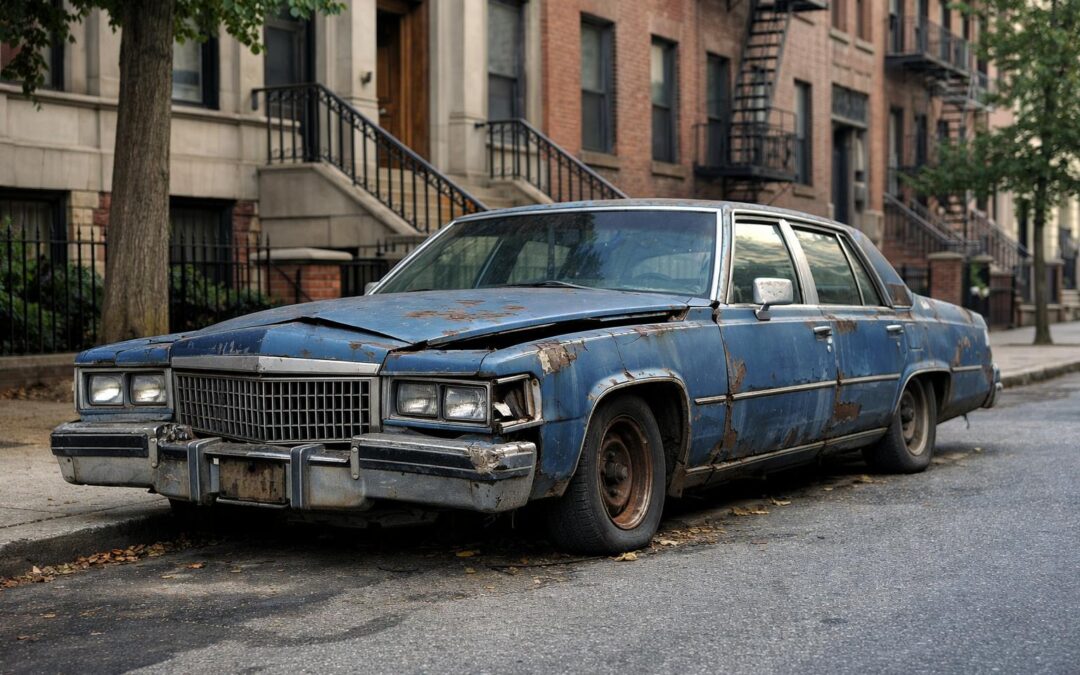
Junk Car Removal: A Complete Guide to Turning Clunkers into Cash
Table of Contents
- 1. What Is Junk Car Removal?
- 2. Signs It Is Time to Remove Your Junk Car
- 3. How the Junk Car Removal Process Works
- 4. Documents You Need Before You Call
- 5. How to Get the Best Price for Your Junk Car
- 6. Environmental Benefits of Junk Car Removal
- 7. Common Myths About Junk Car Removal
- 8. Choosing a Reliable Junk Car Removal Company
- 9. Frequently Asked Questions About Junk Car Removal
- 10. Conclusion: Why You Should Schedule Junk Car Removal Today
What Is Junk Car Removal?
Junk car removal is the process of having an unwanted, damaged, or non-running vehicle picked up from your property and taken away by a professional service. Depending on the condition and value of the vehicle, you may be paid cash on the spot, receive free towing, or both.
These services are designed to help vehicle owners clear space, avoid code violations, and responsibly dispose of cars that are no longer safe or economical to operate. In many cases, the service includes:
- Towing or flatbed pick-up from your home, workplace, or storage lot
- Transfer of ownership and paperwork handling
- Recycling or scrapping of usable parts and materials
- Immediate payment in cash or check
Most companies accept a wide range of vehicles, including cars, trucks, vans, SUVs, and sometimes even motorcycles or commercial vehicles, regardless of age or condition.
Signs It Is Time to Remove Your Junk Car
Not every older car is a junk car. However, there are clear warning signs that it is time to consider junk car removal instead of pouring more money into repairs.
-
Repair costs are higher than the car’s value:
If a major repair, such as a transmission or engine replacement, costs more than the car is worth on the market, removal is often the most sensible option. -
The car no longer runs or is unsafe:
Vehicles that cannot start, have major structural damage, or fail inspections may be safer off the road. -
You have an abandoned or extra vehicle you do not use:
A car sitting for months or years takes up space and can become an eyesore or attract code enforcement. -
Registration or insurance is too expensive:
If you are paying recurring costs for a car you do not drive, it may be time to let it go. -
Rust, flooding, or severe collision damage:
Extensive damage can compromise the frame and safety of the vehicle, making repairs impractical.
If one or more of these signs describe your situation, scheduling junk car removal can free up space, eliminate stress, and put some money back in your pocket.
How the Junk Car Removal Process Works
The junk car removal process is usually quick and straightforward. Understanding each step helps you avoid delays and ensures you receive a fair offer.
1. Requesting a Quote
First, you contact a junk car removal company and provide basic details about your vehicle:
- Year, make, and model
- General condition (running, non-running, damaged, missing parts)
- Location of the vehicle
- Whether you have the title or ownership documents
Based on this information, the company will typically give you a no-obligation quote over the phone or via email.
2. Scheduling Pick-Up
If you accept the offer, you schedule a convenient pick-up time. Many junk car removal services offer:
- Same-day or next-day pick-up
- Evening or weekend appointments
- Pick-up from driveways, parking lots, or roadside locations
3. On-Site Inspection and Payment
When the tow truck arrives, the driver will do a quick inspection to confirm the car’s condition matches the description provided. Assuming everything checks out, you sign the necessary documents to transfer ownership, and you receive payment on the spot in cash or by check.
4. Towing and Disposal
The vehicle is then loaded and towed away. Depending on its condition, it may be:
- Parted out for usable components
- Repaired and resold (for some vehicles)
- Recycled for metal and other materials
From your perspective, the process is complete as soon as the car is loaded and you are paid.
Documents You Need Before You Call
Having the right paperwork ready can speed up the junk car removal process and help you avoid legal complications.
-
Vehicle Title:
This is the most important document. It proves ownership and allows the company to legally take possession and dispose of the vehicle. -
Photo ID:
A valid driver’s license or state ID is often required to confirm you are the owner listed on the title. -
Registration (optional):
In some regions, this helps confirm the vehicle’s status, but it is not always mandatory. -
Release of Liability:
After the sale, you may need to notify your local motor vehicle department that you no longer own the vehicle, protecting you from future tickets or fees.
If you have lost your title, some junk car removal companies can still help, depending on local laws. However, you may receive a lower offer, and the process might require additional forms or a visit to your motor vehicle office.
How to Get the Best Price for Your Junk Car
Not all junk cars are equal, and the price you receive can vary widely between buyers. A little preparation can significantly improve your payout.
1. Gather Accurate Information
Be honest and detailed about your car when requesting quotes. Mention:
- Any major mechanical issues
- Accident or flood history
- Missing parts such as catalytic converter, battery, or wheels
- Aftermarket upgrades or valuable features
2. Remove Personal Belongings
Clean out personal items from the glove box, center console, trunk, and under the seats. This speeds up the process and avoids disputes about forgotten valuables.
3. Compare Multiple Offers
Contact several junk car removal services to compare prices, pick-up fees, and payment terms. Some companies charge for towing, while others offer free removal and factor that cost into their offer.
4. Understand Weight and Parts Value
Many buyers base offers on the weight of the vehicle’s metal plus the value of reusable parts. Larger vehicles, such as trucks and SUVs, usually command higher payouts than small sedans, even in poor condition.
Sample Junk Car Value Comparison
| Vehicle Type | Typical Condition | Approximate Payout Range | Key Value Factors |
|---|---|---|---|
| Compact Car | Non-running, high mileage | Low to Moderate | Scrap metal weight, catalytic converter |
| Midsize Sedan | Runs but needs major repairs | Moderate | Engine condition, reusable parts, tires |
| Pickup Truck | Rusty, high mileage | Moderate to High | Heavier frame, truck bed, drivetrain components |
| SUV | Accident damage, not drivable | Moderate to High | Size, scrap weight, interior and body parts |
Actual offers will vary based on your region, scrap metal prices, and demand for parts, but this table gives a general sense of how different vehicles can be valued.
Environmental Benefits of Junk Car Removal
Junk car removal is not only about convenience and cash. It also plays a critical role in protecting the environment.
-
Prevents hazardous leaks:
Old vehicles can leak oil, coolant, brake fluid, and other toxic substances into the soil and groundwater. Professional removal ensures proper handling of these fluids. -
Recycles valuable materials:
Steel, aluminum, copper, and plastic from junk cars can be recycled and used to manufacture new products, reducing the need for raw material mining and processing. -
Reduces landfill waste:
Properly processed vehicles are dismantled and recycled instead of being dumped in landfills. -
Supports cleaner communities:
Removing abandoned or inoperable vehicles improves neighborhood appearance and can help reduce pests and illegal dumping.
By choosing a reputable junk car removal service, you contribute to a more sustainable and responsible automotive lifecycle.
Common Myths About Junk Car Removal
Misconceptions about junk car removal can cause owners to delay action or accept less money than they deserve. Understanding the truth helps you make better decisions.
Myth 1: You will have to pay to have your junk car towed away.
Most junk car removal companies provide free towing and factor that cost into the amount they pay you. In many cases, you will receive cash instead of a bill.
Myth 2: A car that does not run is worthless.
Even a non-running car has value. Its metal, catalytic converter, wheels, and other parts can still be sold or recycled.
Myth 3: You cannot get rid of a car without the title.
While having a title is ideal and may be legally required in many regions, some buyers can still work with you if you have alternative proof of ownership. Local laws vary, so always check with your motor vehicle department and the removal service.
Myth 4: Junk car removal is a long and complicated process.
For most owners, the process can be completed in a single day, from initial quote to pick-up and payment.
Choosing a Reliable Junk Car Removal Company
Not all junk car removal services are the same. Choosing a reputable company helps ensure a smooth, safe, and profitable experience.
-
Check company reputation:
Look for established businesses with consistent operations and positive feedback from previous customers. -
Confirm licensing and insurance:
A legitimate company should be properly licensed and insured to operate tow trucks and handle vehicles. -
Ask about fees and policies:
Clarify whether towing is free, how payment is made, and if there are any hidden charges. -
Verify documentation support:
A good company will guide you through the title transfer and provide a bill of sale or receipt. -
Compare offers, not just prices:
The highest dollar amount is not always the best deal if it comes with delays, complicated requirements, or unclear terms.
Taking a few minutes to evaluate your options can protect you from scams and make junk car removal straightforward and stress-free.
Frequently Asked Questions About Junk Car Removal
1. How much money can I get for my junk car?
The amount you receive depends on the vehicle’s make, model, year, condition, and weight, as well as current scrap metal prices. Larger vehicles and those with valuable parts usually bring higher payouts. Getting multiple quotes is the best way to know your car’s value.
2. Do I need the title to use a junk car removal service?
In many areas, having the title is required to legally transfer ownership. If you lost your title, some companies can guide you through the replacement process or accept alternative documentation, depending on local regulations.
3. Will I be charged for towing or pick-up?
Most reputable junk car removal companies offer free towing. The cost of pick-up is typically included in the offer they make for your vehicle. Always confirm this in advance so there are no surprises.
4. How quickly can my junk car be removed?
Many services provide same-day or next-day pick-up, especially in urban or suburban areas. The exact timing depends on your location, availability of tow trucks, and how quickly you can provide the necessary documents.
5. Can I sell a car that is missing parts or has severe damage?
Yes. Junk car removal services regularly buy vehicles that are not drivable, are missing wheels or other parts, or have extensive collision, rust, or flood damage. Just describe the condition accurately when requesting a quote.
6. What should I remove from my car before it is towed?
Take out all personal items, including paperwork, electronics, tools, and any custom accessories you want to keep. Remove license plates if required by local law, and cancel insurance once the sale is complete.
7. Is junk car removal safe for the environment?
Responsible junk car removal companies follow environmental regulations for draining fluids, disposing of hazardous materials, and recycling metal and parts. This prevents contamination and reduces the demand for new raw materials.
8. What happens to my car after it is removed?
Depending on its condition, your vehicle may be dismantled for parts, recycled for metal, or occasionally repaired and resold. In all cases, the goal is to recover maximum usable material while minimizing waste.
9. Can I sell more than one junk car at the same time?
Yes. Many junk car removal services are equipped to handle multiple vehicles from the same owner or property. This is common for estates, businesses, or properties with several unused cars.
10. Will I still be responsible for the car after it is removed?
Once you properly transfer ownership and submit any required release of liability forms to your motor vehicle department, you are no longer responsible for tickets, taxes, or incidents involving the car. Always keep a copy of your paperwork and receipt.
Conclusion: Why You Should Schedule Junk Car Removal Today
Junk car removal offers a simple, fast, and profitable way to get rid of unwanted vehicles while freeing up space and protecting the environment. Whether your car no longer runs, has extensive damage, or is simply not worth repairing, a professional removal service can:
- Provide a fair cash offer based on its current value
- Handle towing and paperwork
- Ensure environmentally responsible disposal or recycling
- Help you avoid storage, insurance, and maintenance costs
Instead of letting a clunker sit and deteriorate, turn it into cash and reclaim your driveway or yard. With the right junk car removal company, the process is straightforward, secure, and surprisingly rewarding.