
Junk SUV Buyers: How to Sell Your Old SUV for Maximum Cash
Table of Contents
- Introduction to Junk SUV Buyers
- When Is Your SUV Considered a Junk SUV?
- Types of Junk SUVs Buyers Are Looking For
- How Junk SUV Buyers Determine Your Vehicle’s Value
- Steps to Sell Your Junk SUV Quickly
- Documents and Preparation Before Selling
- Benefits of Using Professional Junk SUV Buyers
- Common Mistakes to Avoid When Selling a Junk SUV
- Frequently Asked Questions About Junk SUV Buyers
- Conclusion: Turning Your Junk SUV into Cash
Introduction to Junk SUV Buyers
Junk SUV buyers specialize in purchasing old, damaged, high-mileage, or non-running sport utility vehicles. Instead of letting your SUV sit in the driveway or paying for ongoing repairs, you can sell it to a junk SUV buyer for instant cash. These buyers typically resell parts, recycle metal, or rebuild vehicles, which allows them to pay you even when the SUV is no longer roadworthy.
Whether your SUV has been in an accident, has a blown engine, or simply reached the end of its useful life, junk SUV buyers offer a convenient way to dispose of it while putting money back in your pocket.
When Is Your SUV Considered a Junk SUV?
Not every older or used SUV is considered a junk vehicle. Junk SUV buyers are primarily interested in SUVs that are no longer practical or cost-effective to repair. Your SUV may be classified as junk if it meets one or more of the following conditions:
- Severe mechanical problems: Engine failure, transmission issues, or major drivetrain damage that costs more to repair than the SUV is worth.
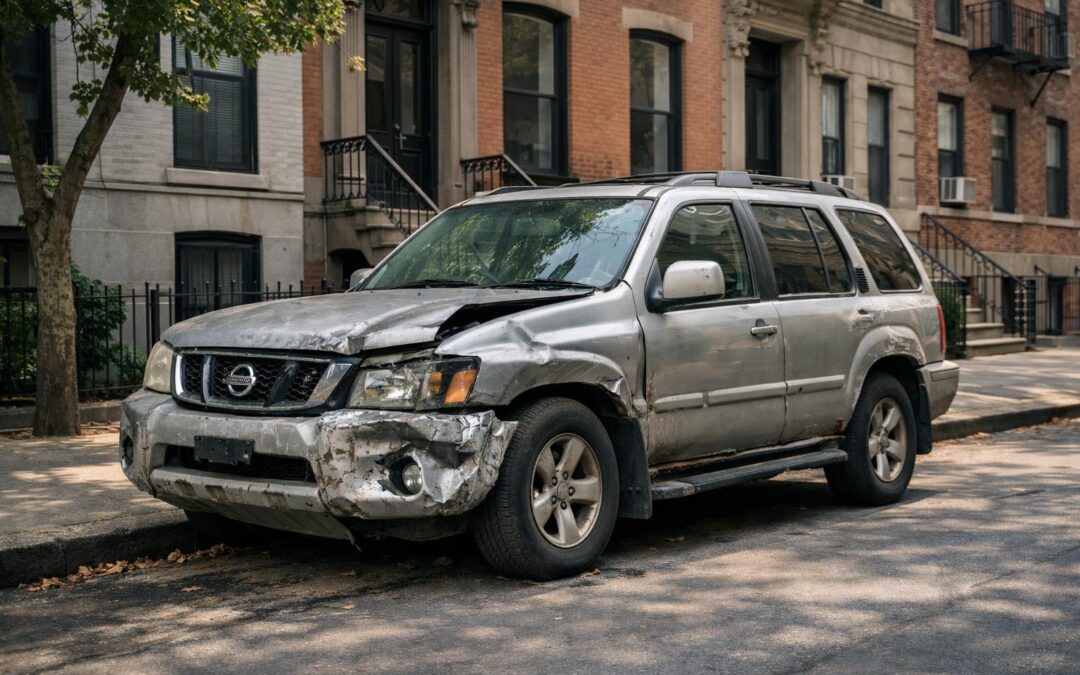
- Extensive body damage: Vehicles that have been totaled, in serious collisions, or damaged by floods, fires, or hail.
- High mileage and wear: SUVs that have very high mileage and substantial wear on critical components.
- Salvage or branded title: SUVs labeled as salvage, rebuilt, or non-repairable by an insurance company.
- Non-running or unsafe to drive: Vehicles that cannot be driven safely or do not pass inspection.
Even if your SUV still runs, junk SUV buyers may still be interested if it is old, unreliable, or has chronic problems that make selling it to a private buyer difficult.
Types of Junk SUVs Buyers Are Looking For
Junk SUV buyers purchase a wide range of makes, models, and conditions. Many buyers specialize in specific categories, but most will consider nearly any SUV. Common types include:
- Compact and mid-size SUVs: Popular models that often have strong demand for used parts and scrap metal.
- Full-size SUVs: Heavier vehicles that typically bring higher scrap value due to their weight.
- Luxury SUVs: Even when damaged, these can have high-value parts such as engines, transmissions, and interior components.
- Off-road and 4×4 SUVs: Drivetrain components and suspension parts can be valuable for resale.
- Hybrid and electric SUVs: Batteries and electric drive components may carry special value or recycling requirements.
Do not assume your SUV is worthless just because it is old or non-running. Junk SUV buyers evaluate each vehicle individually and may see value where you do not.
How Junk SUV Buyers Determine Your Vehicle’s Value
Junk SUV buyers typically use a combination of factors to determine how much they can pay. Understanding these factors helps you set realistic expectations and possibly negotiate a better offer.
Key Factors That Influence Price
- Make, model, and year: Some brands and models are more valuable for parts and demand higher offers.
- Vehicle condition: Running vehicles, even in poor cosmetic condition, may be worth more than completely non-running ones.
- Mileage: Lower mileage can increase the value of reusable components.
- Title status: A clean title is simpler to transfer and may increase the price compared to a salvage or missing title.
- Current scrap metal prices: Since many junk SUVs are recycled, metal prices directly influence offers.
- Location: Distance from the buyer and local demand can affect towing costs and final price.
Sample Value Comparison Table
| Condition of SUV | Typical Status | Relative Offer Range |
|---|---|---|
| Running, high mileage, cosmetic damage | Driveable, older, needs work | Medium to High |
| Non-running, major mechanical issues | Engine or transmission failure | Low to Medium |
| Severely wrecked, totaled | Extensive body/frame damage | Low |
| Rusty, very high mileage, poor condition | Scrap-only value | Very Low |
| Late-model SUV with minor issues | Good for parts or rebuild | Medium to High |
Use this as a general reference. Actual offers vary by region, buyer, and market conditions.
Steps to Sell Your Junk SUV Quickly
Working with junk SUV buyers is usually fast and straightforward. Following a simple process helps you get the best possible price and avoid delays.
1. Gather Basic Information About Your SUV
- Year, make, and model
- Approximate mileage
- Vehicle Identification Number (VIN)
- Overall condition (running, non-running, accident history)
- Title status and any liens
2. Request Multiple Quotes
Contact several junk SUV buyers and provide accurate details about your vehicle. Compare offers, including whether they provide free towing and how quickly they can pick up the SUV.
3. Evaluate the Offer Details
- Final cash amount
- Towing fees, if any
- When and how you will be paid
- Any deductions for missing parts or damage
4. Schedule Pickup and Payment
Once you choose a buyer, set a pickup time. Most junk SUV buyers offer same-day or next-day pickup and pay on the spot when they collect the vehicle and title.
5. Complete the Sale and Notify Authorities
- Sign and hand over the title as required in your state or region.
- Remove license plates if needed.
- Cancel insurance and notify your local motor vehicle agency about the sale.
Documents and Preparation Before Selling
Being prepared with the right documents and a little pre-sale organization speeds up the process and prevents legal or financial issues later on.
Essential Documents
- Vehicle title: The most important document, proving you are the legal owner.
- Identification: A driver’s license or valid ID for verification.
- Registration (if available): Helpful but not always required.
- Loan payoff information: If there is still a lien on the SUV.
Preparing Your SUV
- Remove personal belongings: Check the glove box, trunk, pockets, under seats, and storage compartments.
- Remove custom accessories: Take out items you want to keep, such as aftermarket stereos or special license plates, if allowed.
- Gather spare keys and manuals: These can simplify pickup, though they may not change the offer significantly.
Tip: Even if your SUV is in rough shape, being transparent about its condition usually leads to smoother transactions and helps avoid price changes at pickup.
Benefits of Using Professional Junk SUV Buyers
Selling to professional junk SUV buyers offers several advantages compared to trying to sell privately or leaving the SUV unused.
- Fast and convenient: Many buyers offer same-day quotes and pickups, often in less than 24 hours.
- Cash payment: You typically receive instant cash or a certified form of payment at pickup.
- Free towing: Most reputable buyers include towing costs in their offer, saving you additional expenses.
- No repair or cleaning needed: You can sell the SUV as-is, without investing more money into it.
- Environmental benefits: Professional buyers recycle fluids, parts, and metals responsibly, reducing waste.
- Less hassle than private sales: No need to deal with test drives, advertising, or buyers who do not show up.
By choosing an established junk SUV buyer, you turn a problem vehicle into quick cash while simplifying the entire process.
Common Mistakes to Avoid When Selling a Junk SUV
Even though the process is simple, sellers often lose money or run into problems due to a few common mistakes. Avoid these to make your experience smoother.
- Accepting the first offer without comparison: Always get at least two or three quotes from different junk SUV buyers.
- Misrepresenting vehicle condition: Exaggerating or hiding damage can lead to reduced offers or canceled pickups.
- Not having the title ready: A missing or incorrect title can delay or prevent the sale.
- Leaving personal items in the SUV: Once the vehicle is towed away, retrieving items can be difficult or impossible.
- Failing to cancel insurance or registration: This can lead to unnecessary charges or future liability.
- Ignoring local regulations: Some areas require specific paperwork to transfer or junk a vehicle; failing to comply can cause issues later.
By planning ahead and knowing how junk SUV buyers operate, you protect yourself financially and legally.
Frequently Asked Questions About Junk SUV Buyers
1. Do I need a title to sell my junk SUV?
In most areas, junk SUV buyers require a valid title to complete the sale and transfer ownership. Some regions and buyers may accept alternative documentation, such as a bill of sale or registration, but this varies by law and company policy. It is best to have the title ready to avoid delays and to receive the highest possible offer.
2. Will junk SUV buyers purchase my vehicle if it does not run?
Yes. Many junk SUV buyers specialize in non-running or severely damaged vehicles. They usually provide towing, often at no additional cost. Non-running SUVs are typically valued based on parts and scrap metal, so the offer may be lower than a running vehicle, but you can still receive cash.
3. How much can I expect to get for my junk SUV?
The amount varies widely based on the SUV’s make, model, age, condition, and current scrap prices. Older, heavily damaged SUVs may only be worth their scrap value, while newer or partially running SUVs may fetch higher prices. Getting multiple quotes is the most accurate way to estimate your SUV’s value.
4. How long does the entire process take?
Many junk SUV buyers can complete the process within a day or two. After you request a quote and accept an offer, a pickup can often be scheduled the same day, and you are usually paid at the time of pickup. The exact timing depends on your location and the buyer’s schedule.
5. Are there any hidden fees I should watch out for?
Reputable junk SUV buyers clearly explain all costs and should not surprise you with hidden fees. However, some may charge for towing or deduct money for missing parts. Always ask in advance whether towing is free, how the final price is calculated, and whether there are any extra charges before confirming the sale.
6. Can I sell my junk SUV if I still owe money on it?
It is possible, but more complex. If there is an active lien, the lender technically owns the vehicle until the loan is paid off. You will need to coordinate with your lender and the buyer. Often, the loan must be paid off before or at the time of sale, and paperwork must show the lien release before ownership can transfer fully.
7. What should I remove from my SUV before it is picked up?
Remove all personal belongings, including documents, valuables, electronics, and anything stored in compartments, under seats, or in the trunk. You may also want to remove custom accessories or items you want to keep, such as roof racks or aftermarket audio equipment, as long as this was disclosed to the buyer when getting your quote.
8. Is it better to donate or sell my junk SUV?
Both options have advantages. Selling to junk SUV buyers gives you immediate cash and is often the fastest solution. Donating may offer a tax deduction, depending on your location and tax situation. If your main goal is quick cash and hassle-free removal, selling to a buyer is usually more practical.
9. What happens to my junk SUV after it is sold?
After purchase, junk SUV buyers may dismantle the SUV for parts, resell usable components, and recycle fluids and metals according to environmental regulations. In some cases, if the SUV is repairable, it may be rebuilt and resold. Overall, most of the vehicle is reused or recycled, reducing waste.
10. Can I negotiate the offer from a junk SUV buyer?
In many cases, you can. If you have multiple offers or unique features that add value, you might be able to negotiate a slightly higher price. However, keep in mind that offers are often based on scrap and parts markets, so there may be limited flexibility. Providing accurate information and comparing quotes is usually the most effective strategy.
Conclusion: Turning Your Junk SUV into Cash
Junk SUV buyers provide a practical, fast, and often profitable solution for owners of old, damaged, or non-running SUVs. By understanding how these buyers evaluate vehicles, preparing your documents, and comparing offers, you can convert a problem SUV into usable cash with minimal effort.
Instead of letting your SUV continue to lose value while taking up space, working with professional junk SUV buyers allows you to move on quickly, free up your driveway, and ensure that your old vehicle is either repurposed or recycled responsibly.