
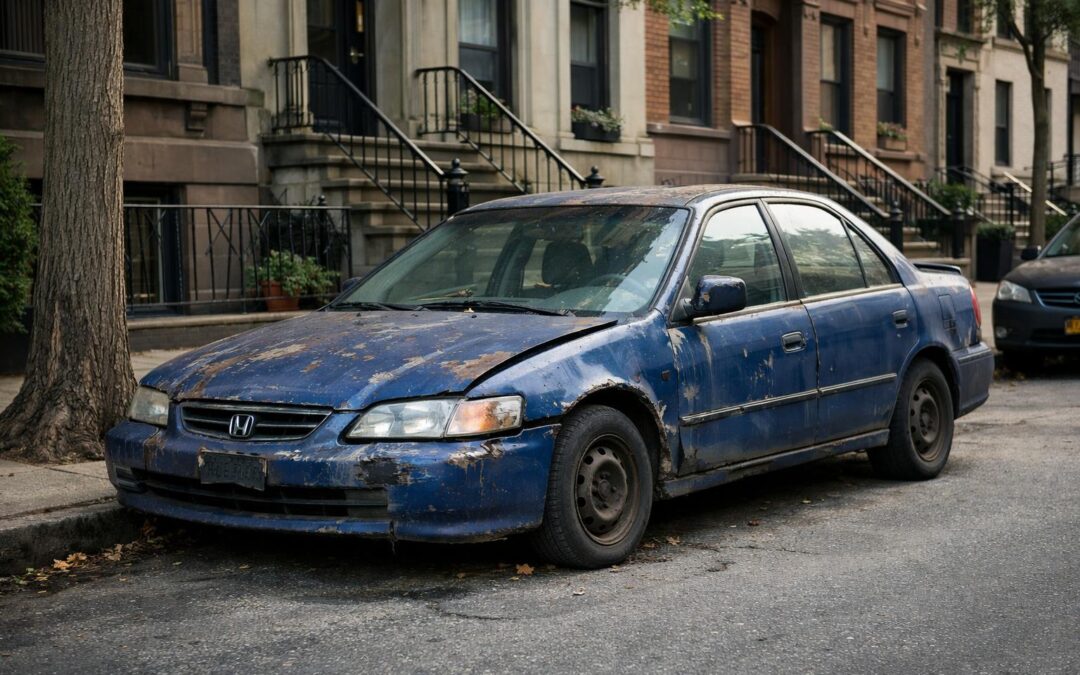
Old Car Removal: The Complete Guide to Getting Rid of Your Unwanted Vehicle
Table of Contents
- What Is Old Car Removal?
- Why You Should Remove Your Old Car
- How Old Car Removal Services Work
- Documents and Preparation Before Pickup
- How Much Money Can You Get for an Old Car?
- Comparing Old Car Removal Options
- Environmental Benefits of Proper Car Disposal
- Common Mistakes to Avoid
- Frequently Asked Questions About Old Car Removal
- Conclusion
What Is Old Car Removal?
Old car removal is the process of collecting, towing, and disposing of unwanted, damaged, or end-of-life vehicles. These services are usually provided by scrap yards, car wreckers, recycling companies, or specialized removal businesses.
The main goal is to take a vehicle that is no longer roadworthy or financially viable to repair and remove it from your property in a responsible, lawful, and often profitable way.
Old car removal typically covers:
- Scrap cars that no longer run
- Vehicles with major mechanical issues
- Accident-damaged and written-off cars
- Unregistered and abandoned vehicles (with proof of ownership)
- Old project cars that will never be completed
Why You Should Remove Your Old Car
Holding onto an old or unusable car can cause more problems than many owners realize. Timely old car removal offers multiple benefits.
Financial Benefits
- Instant cash payment: Most services pay on the spot once they inspect and collect the vehicle.
- Saved repair and maintenance costs: You stop pouring money into a car that is no longer worth fixing.
- Reduced insurance and registration costs: No need to insure or register an unused vehicle.
Safety and Legal Benefits
- Removing a vehicle that could be a fire or safety hazard
- Avoiding fines or council notices for abandoned or unregistered vehicles
- Preventing leaks of oil, coolant, or fuel that could create dangerous surfaces
Space and Lifestyle Benefits
- Freeing up driveway, garage, or yard space
- Making room for a newer, more reliable car
- Improving the overall look of your property
How Old Car Removal Services Work
The old car removal process is usually straightforward. Understanding each step helps you know what to expect and how to get the best outcome.
1. Requesting a Quote
The process begins when you contact a removal company and provide details such as:
- Vehicle make, model, and year
- Overall condition (running, non-running, major damage)
- Location and accessibility of the vehicle
- Presence of key parts like engine, transmission, and catalytic converter
They use this information to offer an estimated price, often over the phone or online.
2. Scheduling Pickup
Once you accept the offer, you arrange a pickup time. Many old car removal services provide:
- Same-day or next-day collection
- Flexible time windows
- Free towing in their service area
3. On-Site Inspection and Payment
When the tow truck arrives, the driver will:
- Confirm your identity and proof of ownership
- Check the vehicle matches the description provided
- Finalize the price and complete the paperwork
- Pay you (often in cash or bank transfer) before loading the car
4. Towing and Disposal
After collection, the vehicle is taken to a scrapyard, wrecker, or recycling facility where it may be:
- Stripped for reusable parts
- Fluids drained and hazardous materials removed
- Metal components crushed and sent for recycling
Documents and Preparation Before Pickup
Proper preparation makes old car removal smooth, fast, and legally compliant.
Essential Documents
- Proof of ownership: Vehicle title, registration, or equivalent legal document.
- Photo ID: To verify you are the lawful owner or authorized seller.
- Release or transfer forms: Depending on your location, you may need to sign specific transfer of ownership documents.
Steps to Prepare the Vehicle
- Remove personal belongings: Check glove box, under seats, boot, door pockets, and storage compartments.
- Remove registration plates: Some regions require you to return plates when canceling registration.
- Cancel insurance and registration: Prevent paying ongoing fees for a car you no longer own.
- Gather keys and remotes: Even for non-running cars, keys help with steering lock and access.
Optional Preparations
- Organize any service history if you think it could add value for parts buyers
- Take photos for your own records before the car is collected
- Clear access for the tow truck (move other vehicles or obstacles)
How Much Money Can You Get for an Old Car?
The amount you receive from old car removal depends on multiple factors. While every company has its own pricing model, several common elements influence the offer.
Key Pricing Factors
- Weight and scrap metal value: Heavier vehicles often fetch more due to higher metal content.
- Make, model, and year: Popular or rare models may have more valuable used parts.
- Condition: Running cars with intact components generally attract higher offers.
- Current metal prices: Market fluctuations for steel, aluminum, and other metals affect payout.
- Location: Distance from the yard and towing costs can influence the final figure.
Typical Value Ranges
The following table provides an example of how different conditions can affect approximate payout ranges. Actual offers vary by region and company.
| Vehicle Condition | Typical Characteristics | Approximate Payout Range* |
|---|---|---|
| Complete Non-Runner | All major parts present, does not start or drive | Low to moderate, mainly for scrap weight |
| Damaged but Drivable | Accident damage, still able to move under own power | Moderate, value in both scrap and parts |
| Old but Running | High mileage, still runs, not worth selling privately | Moderate to high, strong parts value |
| Missing Key Parts | Engine, gearbox, or catalytic converter removed | Low, reduced scrap and parts value |
| Popular Model for Parts | Common brand with high demand for spares | Higher, especially if major components are intact |
*Payout ranges depend heavily on local market conditions and metal prices.
Comparing Old Car Removal Options
Not all removal services are the same. Comparing your options helps you maximize both convenience and payout.
Types of Removal Providers
- Scrap yards / metal recyclers: Focus on metal value, often best for very old or incomplete vehicles.
- Car wreckers / dismantlers: Specialize in parts resale, may pay more for popular models.
- Cash for cars companies: Emphasize quick quotes and same-day pickup, suitable for most cars.
- Charities: Accept donated cars, providing a potential tax benefit rather than direct cash.
Questions to Ask Before Choosing
- Is towing included in the offer price, and is it genuinely free?
- Do they provide payment on pickup, and in what form?
- Will they handle paperwork or provide guidance on transfer of ownership?
- Are there any hidden fees for distance, condition, or cancellation?
- What is the latest pickup time they can offer?
Signs of a Reliable Old Car Removal Service
- Clear, upfront pricing and no pressure tactics
- Willingness to answer questions about recycling and disposal
- Registered business with a proper yard or facility
- Transparent process for handling titles and ownership
Environmental Benefits of Proper Car Disposal
Old car removal is not only about convenience and money; it also has a significant environmental impact when done correctly.
Recycling Valuable Materials
- Steel and other metals are recovered and reused, reducing the need for new mining.
- Glass, plastics, and rubber components can often be repurposed or recycled.
Safe Handling of Hazardous Substances
- Engine oil, transmission fluid, brake fluid, and coolant are safely drained and processed.
- Battery acid and other toxic components are handled according to environmental regulations.
- Air conditioning gases are captured rather than released into the atmosphere.
Reducing Environmental Blight
- Prevents old cars from leaking contaminants into soil and groundwater.
- Reduces clutter and visual pollution in neighborhoods and rural properties.
- Encourages responsible end-of-life vehicle management.
Common Mistakes to Avoid
Being aware of common pitfalls helps you avoid stress, legal issues, and lost money when arranging old car removal.
- Accepting the first offer without comparison: Prices vary widely, so get at least two or three quotes.
- Not verifying the company: Always ensure the provider is legitimate and reputable.
- Leaving personal items in the vehicle: Items are rarely recoverable once the car reaches the yard.
- Failing to complete ownership transfer: This can leave you responsible for fines or future issues.
- Not cancelling insurance and registration: You may pay unnecessary ongoing costs.
- Removing valuable parts without disclosing it: This can reduce the final offer or cause disputes at pickup.
Frequently Asked Questions About Old Car Removal
1. Do I have to pay for towing when using an old car removal service?
Most old car removal services offer free towing as part of their package, especially in urban and suburban areas. However, it is important to confirm that towing is included and that there are no extra charges for distance, access difficulties, or rural locations.
2. Can I sell an old car without a title or registration?
This depends on local laws. In many regions, you must provide proof of ownership, such as a title, registration, or bill of sale. Some companies may accept vehicles with missing paperwork under specific conditions, but you should always check legal requirements in your area before arranging removal.
3. Will I get more money if the car still runs?
Generally, yes. A running vehicle may have more usable parts and can sometimes be resold as a fixer-upper or for parts, which often results in a higher offer. However, the overall value also depends on the age, model, and demand for parts.
4. How long does the old car removal process take?
Many companies can complete the entire process within 24 to 48 hours from your initial inquiry. The pickup itself usually takes 15 to 30 minutes once the truck arrives, provided your documents are ready and the vehicle is accessible.
5. What happens to my old car after it is removed?
After collection, your car is typically transported to a wrecker or recycling facility. There, fluids and hazardous materials are drained, reusable parts are removed for resale, and the remaining metal is crushed and sent for recycling. This helps reduce waste and recover valuable resources.
6. Is old car removal better than selling privately?
For very old, damaged, or non-running vehicles, removal is usually faster and more practical than a private sale. Private buyers often expect roadworthy cars and may negotiate heavily. Old car removal services focus on scrap and parts value, making them ideal for vehicles that are no longer suitable for regular buyers.
7. Can I remove an old car that is not at my home address?
Yes, as long as you can prove ownership and provide access to the vehicle. Many services will collect cars from workplaces, storage facilities, or other properties. You may need to be present or provide authorization for someone to act on your behalf.
8. Are there any cars that removal services will not take?
Most removal companies accept a wide range of vehicles, including cars, vans, 4x4s, and sometimes light trucks. However, extremely stripped shells, vehicles with severe fire damage, or those in dangerous locations may be refused or incur special conditions. It is best to describe the exact condition when requesting your quote.
9. Should I remove aftermarket parts before the car is collected?
If you have valuable aftermarket upgrades, such as premium stereo systems, alloy wheels, or performance parts, you may choose to remove them beforehand. Just be honest when describing the car, as missing major components can affect the offer. Replace parts with basic equivalents if possible to avoid access and safety issues.
10. Can I arrange old car removal for a deceased relative’s vehicle?
Yes, but you may need additional documentation to prove your legal authority to dispose of the vehicle, such as probate documents or letters of administration. Removal companies can often advise which specific papers they require in these situations.
Conclusion
Old car removal offers a fast, convenient, and environmentally responsible way to get rid of unwanted vehicles while putting some cash back in your pocket. By understanding how the process works, preparing the right documents, and comparing offers from reputable providers, you can ensure a smooth experience and a fair payout.
Whether your car is a non-runner, accident-damaged, or simply too old to justify further repairs, arranging professional old car removal helps you clear space, prevent potential hazards, and support the recycling of valuable materials. With a little preparation and the right service, turning your old car into cash can be simple and stress-free.