
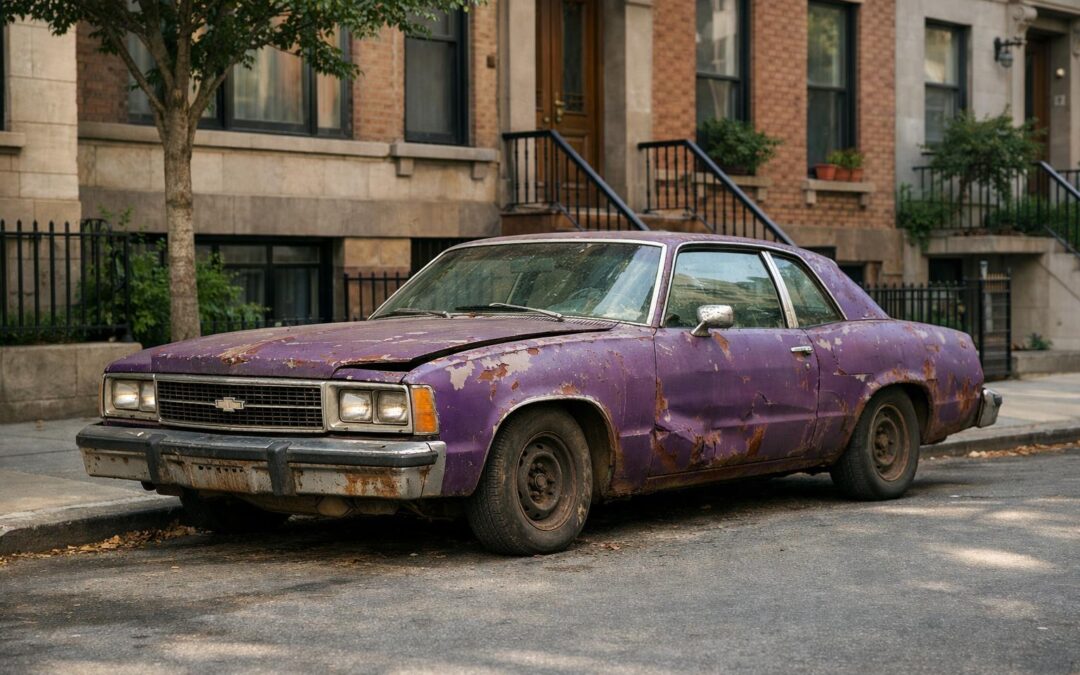
Old Vehicle Buyers: How to Sell Your Old Car for the Best Price
Table of Contents
- 1. What Do Old Vehicle Buyers Actually Do?
- 2. When Is the Right Time to Sell Your Old Vehicle?
- 3. Types of Old Vehicle Buyers and Which One to Choose
- 4. How to Prepare Your Old Car Before Getting Quotes
- 5. Documents You Need Before Selling an Old Vehicle
- 6. How Old Vehicle Buyers Calculate Your Car’s Value
- 7. Step-by-Step Process of Selling to Old Vehicle Buyers
- 8. Avoiding Scams and Common Mistakes
- 9. Frequently Asked Questions About Old Vehicle Buyers
- 10. Conclusion: Turning Your Old Vehicle into Cash Safely
1. What Do Old Vehicle Buyers Actually Do?
Old vehicle buyers are individuals or businesses that purchase used, damaged, or end-of-life vehicles, usually for resale, repair, recycling, or parts. They specialize in evaluating the condition of older cars, setting a fair purchase price, and handling the transfer process quickly.
These buyers can include professional car dealers, scrap yards, recycling centers, and private enthusiasts looking for project cars. Their goal is to extract value from vehicles that regular buyers may avoid due to age, mileage, cosmetic damage, or mechanical issues.
Working with old vehicle buyers can be especially useful when your car is difficult to sell through regular classified ads or traditional dealers who prefer late-model vehicles.
2. When Is the Right Time to Sell Your Old Vehicle?
Knowing when to approach old vehicle buyers is essential for maximizing your payout and minimizing stress. There are several signs that it might be time to sell.
- Frequent repairs: When repair costs start exceeding the car’s value, selling becomes a smarter option.
- Safety concerns: If the vehicle fails inspections or has major safety issues, selling to a specialized buyer can be safer and more responsible.
- High mileage: Very high mileage can drastically reduce market appeal, but old vehicle buyers may still find value in parts or scrap.
- Non-running condition: If it no longer runs or has been sitting in storage, many buyers will still offer cash as-is.
- Upgrading to a newer car: When you purchase a replacement, selling the old one quickly helps free up space and cash.
Timing also matters with market conditions. For example, high metal prices can increase what scrap-focused old vehicle buyers are willing to pay for end-of-life vehicles.
3. Types of Old Vehicle Buyers and Which One to Choose
Not all old vehicle buyers are the same. Choosing the right type can affect how much you get paid and how smooth the process is.
Scrap Yards and Recyclers
These buyers focus on the raw materials and recyclable components. They are ideal for cars that are:
- Badly damaged from accidents
- Rusty beyond economical repair
- Non-running with major mechanical failures
They usually pay based on weight and metal prices rather than cosmetic condition.
Used Car Dealers and Wholesalers
Dealers and wholesalers look for vehicles they can repair and resell. They often prefer:
- Cars with solid frames and minimal structural damage
- Reasonable mileage for their age
- Complete service history and clear ownership documents
They might offer more than scrap value if your car has retail resale potential.
Private Enthusiasts and Collectors
Enthusiasts seek specific models, classic cars, or unique vehicles. They may pay a premium for:
- Rare or classic models
- Cars in restorable condition
- Vehicles with original parts or interesting history
Finding these buyers can take longer, but the payoff might be higher if your vehicle is special or collectible.
4. How to Prepare Your Old Car Before Getting Quotes
Preparation can increase the offers you receive from old vehicle buyers and speed up the process.
- Clean the car: A quick wash and interior clean make the car easier to inspect and may improve first impressions.
- Remove personal items: Clear out documents, electronics, and any belongings from the glove box, trunk, and storage compartments.
- Check basic fluids: Even if the car is old, topping up oil or coolant can help if a buyer wants to test it briefly.
- Gather keys and accessories: Extra keys, manuals, and original accessories can slightly increase value.
- Note visible issues: Make a list of known problems so you can describe the condition accurately when requesting quotes.
While major repairs are rarely worth the cost on very old vehicles, minor fixes like replacing a dead battery or flat tire can make it easier to move or inspect the car.
5. Documents You Need Before Selling an Old Vehicle
Most reputable old vehicle buyers will require proper documents before they pay you and take the car. Having these ready avoids delays.
- Title or proof of ownership: This is the most important document for transferring legal ownership.
- Photo identification: A valid ID is often required for signing over the vehicle.
- Service and repair records: These can support your claims about the car’s history and condition.
- Registration certificate: In some regions, this is needed even for non-running vehicles.
- Release of liability or notice of sale: This protects you from future tickets or legal issues after the sale.
Check local regulations to see if you need additional documents, such as a smog certificate, roadworthiness inspection, or specific transfer forms.
6. How Old Vehicle Buyers Calculate Your Car’s Value
Old vehicle buyers generally use a mix of market data, vehicle condition, and business goals to decide how much to offer. The table below summarizes common factors.
| Factor | How It Affects Value | Who Cares Most |
|---|---|---|
| Age and Mileage | Older, high-mileage cars are usually worth less, except rare or classic models. | Dealers, wholesalers, enthusiasts |
| Mechanical Condition | Running cars with fewer mechanical issues receive higher offers. | All buyer types |
| Body and Frame | Rust, collisions, and structural damage reduce resale potential. | Dealers, collectors |
| Interior Condition | Clean, intact interiors support higher retail resale value. | Dealers, private buyers |
| Title Status | Clear titles get more; salvage or missing titles reduce offers. | All buyer types |
| Scrap Metal Prices | Higher metal prices can raise offers for end-of-life vehicles. | Scrap yards, recyclers |
| Demand for Parts | Popular models with valuable parts can be worth more even if not running. | Recyclers, enthusiasts |
Many professional old vehicle buyers use software and market databases to compare similar vehicles and quickly estimate a price range. You can improve your bargaining position by getting multiple quotes from different buyer types.
7. Step-by-Step Process of Selling to Old Vehicle Buyers
Selling your old car can be straightforward if you follow a simple sequence.
- Assess your vehicle: Note the make, model, year, mileage, condition, and any major issues.
- Gather documents: Ensure your title, ID, and other required paperwork are ready.
- Request quotes: Contact several old vehicle buyers and provide accurate details to get initial offers.
- Compare offers: Evaluate price, towing fees, and how quickly they can complete the deal.
- Schedule inspection or pickup: Many buyers will come to you; others may ask you to bring the car in.
- Finalize negotiation: After inspecting the vehicle, the buyer may confirm or adjust the offer. You can accept or decline.
- Sign paperwork: Complete the title transfer and any release of liability forms required in your area.
- Receive payment: Accept payment in a secure form, such as cash or verified electronic transfer.
- Cancel insurance and plates: Inform your insurer and, if needed, return or cancel license plates and registration.
Tip: Take clear photos of the car and the odometer before handing it over. This provides a record of its condition and mileage at the time of sale.
8. Avoiding Scams and Common Mistakes
Most old vehicle buyers are honest, but as with any transaction, there are risks. Staying informed helps you avoid problems.
Common Mistakes to Avoid
- Selling without proper paperwork, leading to legal or financial issues later.
- Accepting the first offer without comparing alternatives.
- Leaving personal data, documents, or valuables in the car.
- Failing to verify the buyer’s identity or business information.
- Not filing a release of liability or similar notice after the sale.
Red Flags to Watch For
- Buyers who refuse to show ID or business details.
- Insistence on unusual payment methods or overpayments with a request for a refund.
- Pressure to sign documents you do not understand.
- Significant changes from the original offer without valid reasons.
Take time to read all documents, and do not hesitate to walk away if something feels wrong. Responsible old vehicle buyers will respect that you need clarity and transparency.
9. Frequently Asked Questions About Old Vehicle Buyers
Do old vehicle buyers purchase non-running cars?
Yes. Many old vehicle buyers specialize in non-running, damaged, or end-of-life vehicles. They often have towing equipment and can collect the car from your location. The offer may be based more on scrap value and parts than on driving condition.
Will I get more money from a dealer or a scrap yard?
It depends on your car’s condition and market demand. If the vehicle is still mechanically sound and cosmetically decent, a dealer or wholesaler may pay more because they can resell it. If the car is severely damaged or very old, a scrap yard might be your best realistic option.
Can I sell my old car without a title?
Rules vary by region. In many places, selling without a title is difficult or limited to specific licensed recyclers. Some old vehicle buyers can handle vehicles with lost titles through special procedures, but you should always verify that the process complies with local laws.
How do I know if an offer is fair?
Obtain quotes from several old vehicle buyers, describe the car honestly, and compare offers. You can also check typical values for your make, model, and condition using public pricing guides as a rough reference, keeping in mind that very old or non-running cars may not follow standard valuations.
Do old vehicle buyers charge for towing?
Some include towing or pickup in their offer, while others may deduct towing costs from the price they pay you. Always ask explicitly whether removal is free and confirm this detail before agreeing to a final price or scheduling pickup.
How long does it usually take to sell to an old vehicle buyer?
The process can be very quick. In many cases, you can receive offers the same day, schedule pickup within a day or two, and complete the sale in under an hour when the buyer arrives. The biggest delays usually come from missing documents or scheduling conflicts.
Can I remove parts before selling my old car?
You can remove parts, but you must disclose this to the buyer. Removing valuable components, such as catalytic converters or wheels, can reduce the price significantly. Some buyers prefer complete vehicles, so discuss any planned part removal before they give you a final quote.
What should I do after selling my old vehicle?
After the sale, inform your insurance company, cancel or transfer your policy, and follow local procedures for canceling registration and plates if required. File any official notice of sale or release of liability forms to show that you no longer own or control the vehicle.
Is it environmentally responsible to sell to old vehicle buyers?
Yes, when you choose reputable buyers. Many old vehicle buyers work with licensed recyclers who properly dispose of fluids, batteries, and other hazardous materials. They also recycle metal and reuse parts, reducing waste and the demand for new raw materials.
Can I negotiate with old vehicle buyers?
In most cases, yes. While some buyers have fairly fixed pricing based on weight or market data, there is often room to negotiate, especially if you have competing offers. Being polite, informed, and realistic increases your chances of improving the final price.
10. Conclusion: Turning Your Old Vehicle into Cash Safely
Old vehicle buyers provide a practical solution when your car is too old, worn, or troublesome for standard sales channels. By understanding how they operate, preparing your vehicle, organizing your documents, and comparing multiple offers, you can convert an unwanted car into cash with minimal hassle.
Focus on transparency, safety, and proper paperwork throughout the process. With the right approach, selling to old vehicle buyers can be fast, fair, and environmentally responsible, freeing up space in your driveway and putting money back in your pocket.