Sell Your Junk Car: A Complete Guide to Getting the Most Cash
Table of Contents
- What Is a Junk Car?
- When Should You Sell Your Junk Car?
- How to Prepare Your Junk Car for Sale
- Top Ways to Sell Your Junk Car
- How to Get the Best Price for Your Junk Car
- Paperwork and Legal Requirements
- Avoiding Scams When You Sell Your Junk Car
- Environmental Benefits of Selling Your Junk Car
- FAQ: Selling Your Junk Car
- Conclusion
What Is a Junk Car?
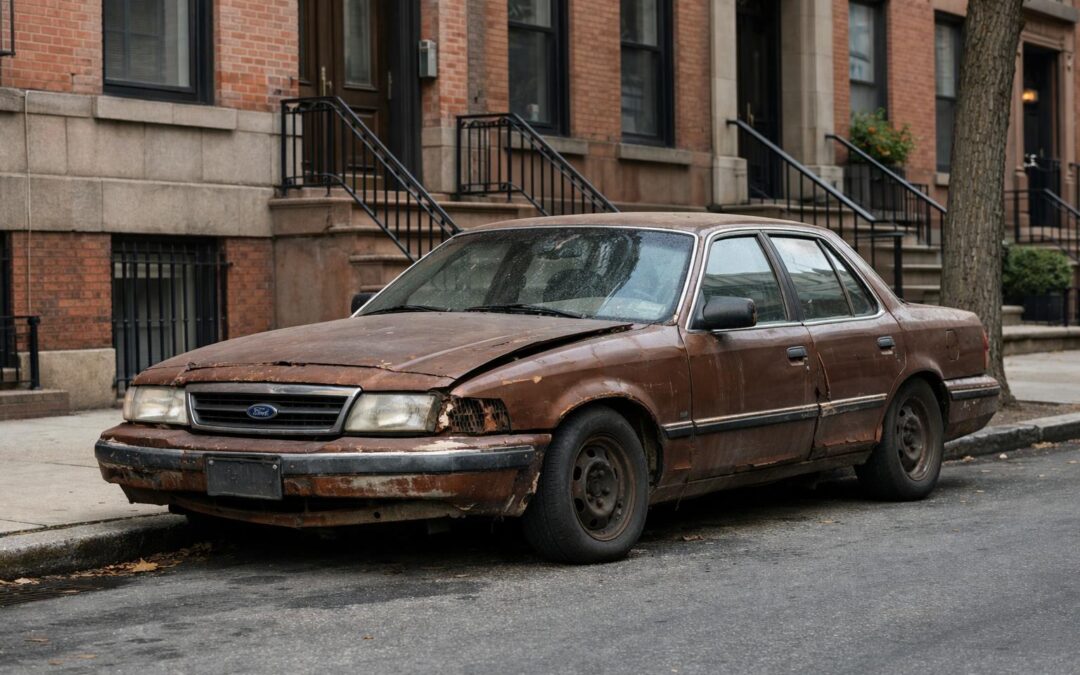
A junk car is usually a vehicle that is no longer safe, efficient, or economical to drive. In many cases, the cost of repairs exceeds the value of the car itself. Rather than letting it sit and lose even more value, you can choose to sell your junk car for cash or for parts.
Different buyers may define a junk car in slightly different ways, but it often includes:
- Vehicles that no longer run or start reliably
- Cars with severe body damage or frame damage
- High-mileage vehicles that are near or past their expected life span
- Cars that have failed major inspections and are too expensive to fix
- Vehicles that have been sitting unused for months or years
Even if your car is not technically totaled, it may qualify as a junk car to buyers who focus on scrap metal and reusable parts.
When Should You Sell Your Junk Car?
Timing matters when you want to sell your junk car. Waiting too long can mean losing out on hundreds of dollars, while selling too early may not be necessary if the vehicle is still safely usable.
Signs It Is Time to Sell Your Junk Car
- Repair bills keep climbing: You are paying more in repairs than the car is worth on the open market.
- Frequent breakdowns: The car leaves you stranded, causing stress and towing costs.
- Safety issues: Problems with brakes, steering, or structural damage make the car unsafe to drive.
- Major engine or transmission failure: These repairs are often more than the value of an older vehicle.
- No longer needed: You have replaced the car and it now sits unused, deteriorating in your driveway.
Why You Should Not Wait Too Long
The longer a junk car sits, the more it deteriorates. Rust spreads, rubber seals dry out, and parts become less valuable. Prices for scrap metal can also fluctuate. By acting sooner, you capture more value before the vehicle loses additional worth.
How to Prepare Your Junk Car for Sale
Proper preparation can make the process smoother and sometimes even boost the amount you are offered. You do not need to repair the car, but you should get it ready for transfer.
Step 1: Remove Personal Belongings
Check every part of the car, including:
- Glove box and center console
- Door pockets and seat-back pockets
- Under the seats and in trunk compartments
- Sun visors and hidden storage areas
Buyers expect an empty vehicle; anything left behind might be lost once the car leaves your property.
Step 2: Gather Keys and Documents
Ideally, you will have:
- The vehicle title
- Any lien release documents if applicable
- Your ID and registration (for reference)
- All keys and key fobs
Having complete documentation speeds up the sale and may improve offers.
Step 3: Remove Valuable Accessories
If safe and legal to do so, you may want to remove:
- Aftermarket stereos or speakers
- Custom wheels or performance parts
- Roof racks or specialty lighting
These items can sometimes be sold separately for more money than you would gain by leaving them on the junk car.
Top Ways to Sell Your Junk Car
You have multiple options when you decide to sell your junk car. Each has advantages and trade-offs in terms of speed, convenience, and payout.
| Method | Typical Speed | Convenience | Potential Payout |
|---|---|---|---|
| Local Junkyard or Scrap Yard | Same day to a few days | High, especially with towing | Low to medium |
| Cash-for-Car or Junk Car Buyers | Same day to a few days | Very high; many offer free towing | Medium |
| Private Buyer (Parts or Project) | Several days to weeks | Lower; you handle all details | Medium to high |
| Online Classifieds or Auctions | Days to weeks | Medium; more messages and haggling | Medium |
Selling to a Local Junkyard
Junkyards and scrap yards usually pay based on the vehicle’s weight and current scrap metal prices. This option is fast and straightforward, especially if they offer tow-away service.
Using Cash-for-Car Services
Many businesses specialize in buying junk cars for cash. They often:
- Give quotes over the phone or online
- Provide free towing or pickup
- Handle most paperwork at pickup
This is one of the easiest ways to sell your junk car if your priority is convenience.
Selling to a Private Buyer
Some hobbyists, mechanics, or rebuilders look for cheap project cars or parts vehicles. This route may take longer but can sometimes bring a better price if your car has desirable parts or is a sought-after model.
How to Get the Best Price for Your Junk Car
Even though the vehicle is a junk car, you can still take steps to improve your final offer.
Get Multiple Quotes
Do not accept the first offer without comparing. Contact:
- Two or three local junkyards or scrap yards
- Several junk car buying services
- Potential private buyers if you have time
When you have several offers, you are in a stronger position to negotiate.
Be Honest and Detailed in Descriptions
When describing the car, share:
- Year, make, and model
- Mileage (if available)
- Overall condition and major issues
- Whether it runs or starts
- Missing parts or severe damage
Accurate details reduce the chance that a buyer lowers the price on pickup because the car is not as described.
Highlight Any Valuable Features
Even junk cars can have value in:
- Working engines or transmissions
- Good tires and wheels
- Intact catalytic converters
- Undamaged body panels or glass
Mentioning these can help push your offer higher than basic scrap value.
Paperwork and Legal Requirements
To legally sell your junk car and avoid future liability, you must handle the paperwork correctly. Requirements vary by location, but some core steps are common.
Title Transfer
In most areas, you need the title to transfer ownership. Generally you will:
- Fill out the seller’s portion of the title
- Record the odometer reading if required
- Sign in the correct section as the seller
If you do not have the title, check local rules. Some jurisdictions allow sales to licensed dismantlers with alternative documentation, while others require you to obtain a duplicate title first.
Bill of Sale
A simple bill of sale is often recommended. It usually lists:
- Buyer and seller names and addresses
- Vehicle details, such as VIN, year, make, and model
- Sale date and price
- Statement that the vehicle is sold as-is
Keep a copy for your records in case questions arise later.
Cancel Insurance and Registration
Once you sell your junk car, contact your insurer to cancel coverage and notify your local motor vehicle agency that you no longer own the vehicle. This step protects you from future tickets, tolls, or incidents linked to the car after it leaves your possession.
Avoiding Scams When You Sell Your Junk Car
Most buyers are legitimate, but there are scams to be aware of. Protect yourself by following a few key guidelines.
Watch for Common Red Flags
- Buyers who refuse to meet in person or refuse to show ID
- Offers that seem unusually high compared to others
- Requests to pay with complicated payment methods or partial payments
- Buyers who want the title signed but do not pick up immediately
Use Safe Payment Methods
Whenever possible, choose:
- Cash on pickup
- Certified bank check or cashier’s check (verify with the issuing bank if unsure)
Avoid accepting personal checks from unknown buyers or complex arrangements that are difficult to verify.
Do Not Sign Over the Title Too Early
Sign and hand over the title only when:
- You have received full payment
- You have verified the identity of the buyer
- You have confirmed the pickup arrangement
Always trust your instincts. If something about the buyer or the transaction feels wrong, you can walk away and find a different offer.
Environmental Benefits of Selling Your Junk Car
When you sell your junk car to a reputable buyer or recycler, you do more than just clear space and earn cash. You also help reduce waste and conserve resources.
Recycling Metals and Parts
Most junk cars are dismantled in a way that allows:
- Steel, aluminum, and other metals to be melted down and reused
- Working parts to be sold as used components for repairs
- Fluids like oil and coolant to be drained and handled properly
This process keeps tons of material out of landfills and reduces the need for new raw materials.
Reducing Environmental Hazards
Abandoned or unused cars can leak fluids into soil and groundwater over time. Selling your junk car to professionals ensures:
- Hazardous fluids are drained and handled safely
- Battery acid and other chemicals are disposed of correctly
- Tires and plastics are processed or recycled where possible
Responsible car recycling is a simple way to reduce your environmental footprint.
FAQ: Selling Your Junk Car
1. How much money can I get when I sell my junk car?
The amount you receive depends on the car’s weight, condition, demand for its parts, and local scrap metal prices. Many junk cars bring anywhere from a small amount of cash to several hundred dollars. Rare or in-demand models with usable parts can sometimes earn more.
2. Do I need a title to sell my junk car?
In many locations, you must have a title to legally transfer ownership. Some licensed junk car buyers can purchase vehicles without a title under specific conditions, but rules vary. If you lost your title, check whether you can obtain a duplicate from your local motor vehicle agency before selling.
3. Will buyers tow my junk car for free?
Many junk car buyers and some junkyards offer free towing or pickup, especially if the vehicle does not run. When getting quotes, ask whether towing is included and whether it affects the price they are offering.
4. Should I repair my car before selling it as junk?
Most of the time, repairs are not worth the cost for a junk car. Buyers typically value it for scrap metal or parts rather than road use. The only exception might be a very minor, low-cost fix that dramatically improves the price, but this is uncommon for true junk vehicles.
5. How long does it take to sell a junk car?
If you choose a junk car buyer or local junkyard, the process can often be completed in a day or two, including pickup. Selling privately for parts or as a project car can take longer, sometimes several days or weeks, depending on demand in your area.
6. What should I do with my license plates?
In many regions, you must remove your license plates before the car is towed away. Some jurisdictions require you to return the plates to the motor vehicle agency when canceling registration, while others allow you to keep them. Check local rules so you follow the proper procedure.
7. Can I sell a junk car that does not run?
Yes. Many junk car buyers specialize in non-running vehicles and will arrange towing. You should clearly state that the car does not run when requesting quotes so the buyer can account for the added cost and logistics.
8. Is it safe to sell my junk car from my home?
Selling from your home can be safe if you take basic precautions. Arrange pickup in a visible area, have someone else present if possible, verify the buyer’s identity, and insist on full payment before transferring the title. If you feel uncomfortable, you can meet at a neutral location when practical.
9. Can I remove parts before I sell my junk car?
You can usually remove parts you want to keep or sell separately, as long as you accurately describe the vehicle’s condition to buyers. Keep in mind that removing major components, such as the engine, transmission, or catalytic converter, will lower the offer you receive from scrap or junk buyers.
10. What happens to my junk car after I sell it?
Most junk cars are taken to a facility where they are inspected, drained of fluids, and dismantled. Usable parts are resold, while the remaining shell is crushed and sent to be recycled as scrap metal. This process helps recover materials and reduces waste.
Conclusion
When you decide to sell your junk car, you free up space, reduce potential hazards, and put extra money in your pocket. By understanding what qualifies as a junk car, preparing it properly, comparing multiple offers, and handling the paperwork correctly, you can complete the sale with confidence. Choose a reputable buyer, protect yourself from scams, and remember that recycling your old vehicle also benefits the environment. With a clear plan, selling your junk car can be quick, simple, and surprisingly rewarding.