
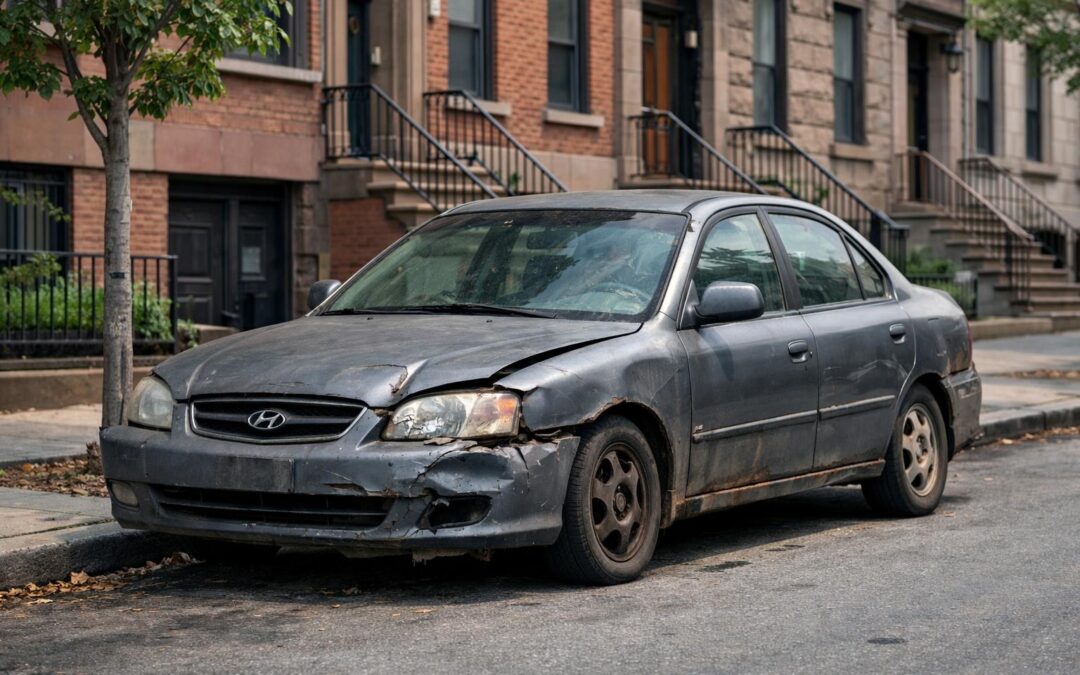
Unwanted Vehicle Buyers: How to Sell Your Old Car Fast
Table of Contents
- Introduction to Unwanted Vehicle Buyers
- What Counts as an Unwanted Vehicle?
- How Unwanted Vehicle Buyers Work
- Types of Buyers You Can Choose From
- Benefits of Selling to Unwanted Vehicle Buyers
- How to Prepare Your Vehicle for Sale
- Documents You Need Before Selling
- Common Mistakes to Avoid
- Frequently Asked Questions
- Conclusion: Turning Your Unwanted Vehicle into Cash
Introduction to Unwanted Vehicle Buyers
Unwanted vehicle buyers specialize in purchasing cars, trucks, vans, and other vehicles that owners no longer want or need. These may be old, damaged, non-running, or simply no longer practical to keep. Instead of letting a car sit and lose value, many people now turn to dedicated buyers who can offer quick quotes, fast removal, and instant payment.
Whether you are clearing a driveway, handling an inherited vehicle, or just upgrading to something new, unwanted vehicle buyers provide a simple and usually hassle-free way to turn that unwanted asset into cash.
What Counts as an Unwanted Vehicle?
An unwanted vehicle is any car or other type of automobile that you no longer need, want, or can practically use. It may still be roadworthy, or it may be fit only for parts or scrap. The key point is that keeping it no longer makes sense for you financially or logistically.
Below are common types of unwanted vehicles:
- Old cars that are too expensive to repair or maintain
- Damaged vehicles after an accident
- Non-running or mechanically failed cars
- Cars with high mileage and low resale value
- Abandoned or inherited vehicles that take up space
- Fleet or business vehicles that are being retired
Unwanted vehicle buyers often accept vehicles in a wide range of conditions, including those missing parts or paperwork, depending on local regulations and the specific buyer’s policies.
How Unwanted Vehicle Buyers Work
Unwanted vehicle buyers usually follow a straightforward process designed to make selling quick and easy. While each company operates slightly differently, most follow these general steps:
- Initial Contact: You provide details such as make, model, year, mileage, and condition.
- Quote: The buyer gives you a price estimate based on the information and current market values.
- Inspection or Confirmation: Some buyers confirm the details when they arrive to pick up the vehicle.
- Offer Acceptance: If you agree to the final price, you sign over ownership.
- Payment: You are paid on the spot, typically in cash, bank transfer, or certified check.
- Vehicle Removal: The buyer arranges towing or removal, often at no cost to you.
Many unwanted vehicle buyers operate on a same-day or next-day schedule, which appeals to owners who want fast results without lengthy negotiation or advertising.
Types of Buyers You Can Choose From
Not all unwanted vehicle buyers are the same. Understanding the main categories helps you choose the best option based on your vehicle’s condition and your priorities.
| Type of Buyer | Best For | Typical Advantages | Typical Drawbacks |
|---|---|---|---|
| Scrap Yards / Auto Recyclers | Non-running, severely damaged, or very old vehicles | Accepts almost any condition, quick removal | Lower payouts vs. private sale |
| Cash-for-Cars Companies | Cars in fair to poor condition, quick sale | Fast quotes, free towing, simple paperwork | Price may be below retail market |
| Dealership Trade-In | Running vehicles when buying another car | Convenient, cost offset for new purchase | Trade-in offers often lower than private sale |
| Private Buyers | Vehicles in good condition, popular models | Potentially higher price | Time-consuming, requires advertising and negotiation |
| Specialty Buyers | Classic, luxury, or rare vehicles | Expert valuation, niche market access | May require more time to finalize sale |
For genuinely unwanted vehicles that you want gone quickly, cash-for-cars companies and auto recyclers are often the most direct and efficient route.
Benefits of Selling to Unwanted Vehicle Buyers
Choosing a professional unwanted vehicle buyer offers several advantages compared with trying to sell privately or leaving the car unused.
- Speed: Many buyers can complete the entire process within 24 to 48 hours.
- Convenience: There is no need to create ads, take endless phone calls, or schedule multiple test drives.
- Accepts Poor Condition: You can often sell vehicles that are not running, badly damaged, or missing parts.
- Free Towing: Most unwanted vehicle buyers arrange and pay for towing or removal.
- Instant Payment: Payment is usually issued at the time of pickup, which improves your cash flow.
- Space Savings: Removing a car from your driveway, garage, or yard frees up valuable space.
- Environmental Responsibility: Reputable buyers and recyclers dispose of fluids and materials properly and salvage reusable parts.
When you no longer use a vehicle, it is often more cost-effective to sell it quickly than to keep paying insurance, storage, and possible registration costs. Unwanted vehicle buyers exist to make that transition simple.
How to Prepare Your Vehicle for Sale
A little preparation can streamline the sale and sometimes even increase the offer you receive from unwanted vehicle buyers. While you do not need to invest heavily in repairs, there are a few smart steps to take.
- Remove Personal Items: Check the glove box, center console, under seats, trunk, and any compartments for belongings.
- Gather Keys and Remotes: Provide all sets of keys and fobs to avoid delays.
- Check for Valuables: Remove removable electronics, toll tags, parking passes, and personal documents.
- Basic Cleaning: A quick tidy-up can create a better impression, especially for vehicles that still run.
- Note Vehicle Condition Honestly: Write down known issues, missing parts, and damage so you can describe the car accurately.
- Locate Service Records (If Available): These can help on vehicles still suitable for resale rather than scrap.
You generally do not need to repair major mechanical problems before contacting unwanted vehicle buyers. They are accustomed to purchasing cars in less-than-perfect condition and factor any issues into their offers.
Documents You Need Before Selling
Selling your vehicle legally requires certain documents. Requirements vary by region, but the following items are commonly needed when dealing with unwanted vehicle buyers.
- Vehicle Title: The primary document proving ownership. In many places, you cannot legally sell a car without it.
- Photo Identification: A driver’s license, passport, or other government-issued ID.
- Registration: Current or previous registration can help confirm details, though not always mandatory.
- Release of Liability or Notice of Sale: A form or process to notify authorities that you are no longer responsible for the vehicle.
- Loan Payoff Information: If there is still a lien, you may need a payoff amount or letter from the lender.
- Odometer Reading: Many regions require you to record the mileage at the time of sale.
If you have lost your title or are unsure about legal requirements, ask the buyer what they need and contact your local motor vehicle authority. Many unwanted vehicle buyers can guide you through common scenarios, such as replacing a lost title or handling a vehicle that has been off the road for years.
Common Mistakes to Avoid
Selling to unwanted vehicle buyers is usually simple, but there are still some pitfalls to watch for. Being aware of these common mistakes can protect you financially and legally.
- Accepting the First Offer Without Comparison: Getting multiple quotes helps you understand your car’s true value.
- Misrepresenting Vehicle Condition: Exaggerating or hiding issues can lead to renegotiation or cancellation when the buyer arrives.
- Not Checking the Buyer’s Credentials: Work with established, reputable buyers to reduce the risk of scams or payment problems.
- Leaving Plates or Personal Documents in the Car: Always remove plates where required and take all paperwork that should not go with the vehicle.
- Skipping the Release of Liability: Failing to notify authorities can leave you exposed to tickets, tolls, or other problems after the sale.
- Ignoring Local Regulations: Some areas have specific rules about emissions, salvage titles, or how vehicles must be transferred.
Take a few minutes to verify what the process should look like in your area. Doing so will make the transaction secure and give you peace of mind once the vehicle is gone.
Frequently Asked Questions
Do unwanted vehicle buyers take cars that do not run?
Yes. Many unwanted vehicle buyers specialize in non-running or severely damaged cars. They often arrange free towing and factor the condition into the offer. As long as the vehicle is accessible for a tow truck, they can usually remove it.
How do buyers decide what my unwanted vehicle is worth?
Buyers look at the make, model, year, mileage, overall condition, demand for parts, and scrap metal prices. Running vehicles with desirable parts or recent models may receive higher offers, while very old or heavily damaged cars may be valued mainly for scrap.
Can I sell my vehicle if I have lost the title?
In many regions, you need a title to sell your vehicle, even to unwanted vehicle buyers. If you have lost it, you can often request a replacement from your local motor vehicle authority. Some buyers may assist with the process or advise you on the steps required in your area.
Is it better to trade in my car or sell to an unwanted vehicle buyer?
If your car is in decent, drivable condition and you are buying another vehicle from a dealership, a trade-in may be convenient. However, if your vehicle is old, damaged, or not worth much, specialized unwanted vehicle buyers or auto recyclers can be faster and more flexible, especially for non-running cars.
How quickly can I get paid for my unwanted vehicle?
Timelines vary, but many unwanted vehicle buyers offer same-day or next-day service. Payment is usually made at pickup, either in cash, by certified check, or via electronic transfer, depending on the company and local rules.
Do I need to repair my vehicle before selling it as unwanted?
No. In most cases, spending money on major repairs for an unwanted vehicle does not provide a good return. Buyers are prepared to handle vehicles with mechanical issues, body damage, and other problems. Focus on honesty and basic preparation rather than expensive fixes.
What happens to my vehicle after I sell it?
The next steps depend on the buyer. Some unwanted vehicle buyers resell roadworthy cars at auction or through dealers. Others dismantle vehicles for parts and send the remaining metal for recycling. Fluids and hazardous materials are typically removed and handled under environmental guidelines.
Can I sell a vehicle that has been sitting for years?
Yes, many unwanted vehicle buyers regularly purchase cars that have been stored or abandoned for long periods. The battery may be dead, tires flat, or the car may be partially deteriorated, but as long as the vehicle can be accessed, it can often be towed and purchased.
Are there any fees involved when selling to unwanted vehicle buyers?
Reputable unwanted vehicle buyers usually do not charge sellers fees for quotes, towing, or paperwork assistance. Their profit comes from reselling or recycling the vehicle. Always ask in advance whether there are any charges so you understand exactly what you will receive.
Can I sell a financed vehicle to an unwanted vehicle buyer?
If your vehicle still has an outstanding loan, you must address the lien before or during the sale. Some buyers can handle payoff arrangements directly with your lender, while others require you to clear the lien first. You should know your payoff amount and verify the process with both the lender and the buyer.
Conclusion: Turning Your Unwanted Vehicle into Cash
Unwanted vehicle buyers provide a practical solution for anyone looking to dispose of an old, damaged, or unused car without the headaches of traditional selling. By understanding how these buyers work, preparing the necessary documents, and avoiding common mistakes, you can complete a fast, safe, and efficient sale.
Instead of letting a car sit and lose value, or paying for storage, insurance, and potential repairs, you can convert it into immediate cash while freeing up space and ensuring the vehicle is handled responsibly. With the right unwanted vehicle buyer, saying goodbye to your old car can be one of the simplest transactions you make all year.