
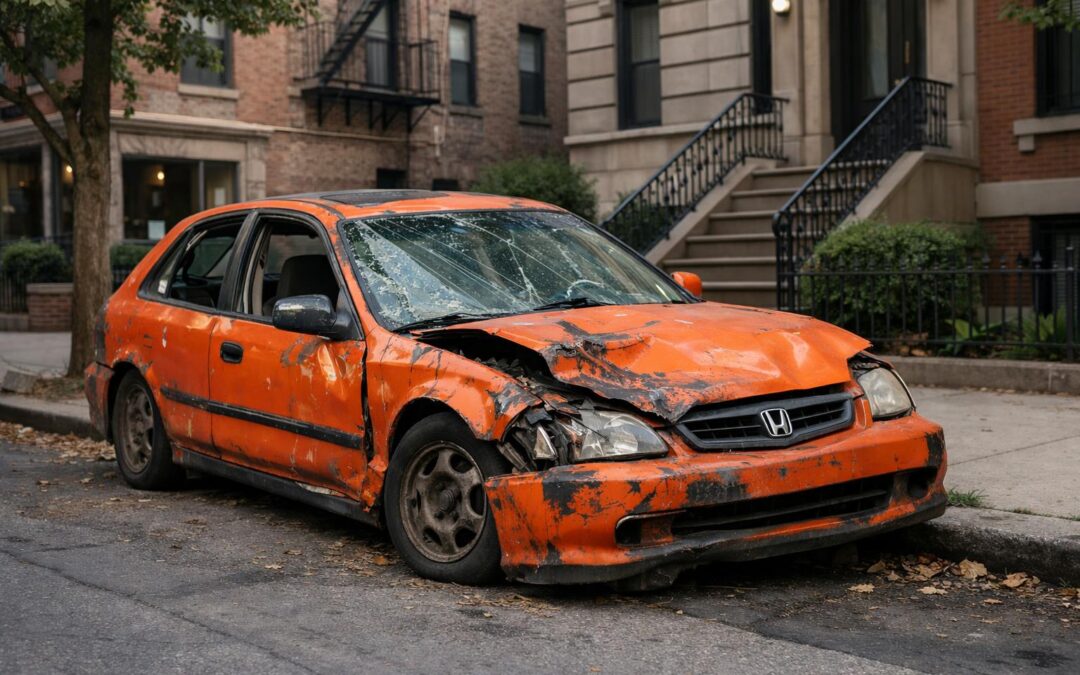
Wrecked Vehicle Buyers: How to Sell Your Damaged Car for the Best Price
Table of Contents
- What Are Wrecked Vehicle Buyers?
- Types of Vehicles Wrecked Buyers Will Purchase
- How to Determine the Value of Your Wrecked Vehicle
- Steps to Prepare Your Wrecked Vehicle for Sale
- Comparing Wrecked Vehicle Buyers: Dealer, Junkyard, or Specialist?
- Understanding the Selling Process and Required Documents
- Common Mistakes to Avoid When Selling a Wrecked Car
- Frequently Asked Questions About Wrecked Vehicle Buyers
- Conclusion
What Are Wrecked Vehicle Buyers?
Wrecked vehicle buyers are businesses or individuals who specialize in purchasing damaged, totaled, or non-running vehicles. They may dismantle cars for parts, repair and resell them, or send them for scrap metal recycling. These buyers provide an alternative to trading in your car at a traditional dealership or attempting a private sale.
Many car owners turn to wrecked vehicle buyers when an accident, mechanical failure, or natural disaster leaves their vehicle unsafe or too costly to repair. Instead of letting the car sit unused and depreciate, you can convert it into quick cash.
Wrecked vehicle buyers typically make the process straightforward by offering free quotes, towing services, and help with paperwork such as title transfers and salvage declarations.
Types of Vehicles Wrecked Buyers Will Purchase
Most wrecked vehicle buyers accept a wide range of cars, trucks, and SUVs, regardless of their condition. The main categories of vehicles they purchase include:
- Totaled vehicles: Cars that an insurance company has declared a total loss because repair costs exceed the vehicle’s value.
- Collision-damaged vehicles: Cars with body damage from accidents, such as bent frames, smashed panels, or deployed airbags.
- Mechanical failures: Vehicles with blown engines, failed transmissions, or severe mechanical issues that make them too expensive to fix.
- Flood or fire damaged: Cars affected by water intrusion, mold, or fire that makes restoration difficult or unsafe.
- Non-running or incomplete vehicles: Cars that will not start, are missing major components, or have been sitting for long periods.
- High-mileage fleet vehicles: Vans, trucks, or company cars that are still structurally sound but no longer economical to maintain.
Different buyers may specialize in certain conditions or brands, so it is useful to gather multiple quotes to see who values your particular vehicle the most.
How to Determine the Value of Your Wrecked Vehicle
The value of a wrecked vehicle depends on many factors, including the extent of damage, the demand for parts, and current scrap metal prices. Understanding these variables helps you negotiate more confidently with wrecked vehicle buyers.
Key Factors That Influence Price
- Make, model, and year: Popular models and newer vehicles often bring higher offers because parts are in demand.
- Severity and location of damage: Light cosmetic damage usually results in a higher price than frame damage or major mechanical issues.
- Mileage and maintenance history: Lower mileage and documented maintenance can increase the value of salvageable parts.
- Title status: A clean title versus a salvage or branded title can impact resale and part-out options.
- Market for parts and scrap: Fluctuations in metal prices and demand for specific components will affect offers.
Typical Value Ranges
While every vehicle is unique, the table below summarizes common value ranges for wrecked vehicles as a percentage of their estimated pre-accident market value.
| Condition Category | Description | Typical Offer Range (of Pre-Accident Value) |
|---|---|---|
| Light Damage | Minor cosmetic issues, runs and drives | 40% – 60% |
| Moderate Damage | Significant body damage, drivable or easily repairable | 25% – 45% |
| Severe Damage | Frame damage, major mechanical issues, may not be drivable | 10% – 30% |
| Totaled / Parts Only | Primarily valuable for scrap and components | Scrap value plus parts value |
To estimate the value of your car, start with a reputable used car valuation based on its pre-accident condition, then apply the appropriate discount range from the table.
Steps to Prepare Your Wrecked Vehicle for Sale
Even though your vehicle is damaged, a bit of preparation can increase its value and make the transaction smoother when working with wrecked vehicle buyers.
1. Gather Vehicle Information
- Vehicle Identification Number (VIN)
- Current mileage (if possible)
- Accident or damage details
- Maintenance records or service receipts
2. Locate Ownership Documents
Most buyers require proof of ownership. Common documents include:
- Vehicle title in your name
- Registration documents
- Photo identification that matches the title
If your title is lost, you may need to request a duplicate from your local motor vehicle agency before completing a sale.
3. Remove Personal Items
Go through the entire vehicle to remove personal belongings. Check:
- Glove box and center console
- Under seats and seat pockets
- Trunk and spare tire compartment
- Sun visors and door pockets
4. Decide Whether to Remove Aftermarket Parts
If your vehicle has valuable aftermarket components, such as upgraded stereos, custom wheels, or performance parts, consider whether it is worth removing them before the sale. Confirm with the buyer that the vehicle will still be acceptable without those items.
5. Obtain Multiple Offers
Contact several wrecked vehicle buyers and provide accurate information about your car. Getting multiple quotes helps you identify a fair price and recognize low-ball offers.
Comparing Wrecked Vehicle Buyers: Dealer, Junkyard, or Specialist?
There are several types of wrecked vehicle buyers, and each offers different advantages. Understanding these options helps you choose the best route for your situation.
Dealership Trade-Ins
Some dealerships may accept severely damaged vehicles as trade-ins, particularly if you are purchasing a new car. However, trade-in offers for wrecked cars are often low, and not all dealers are interested in vehicles that cannot be resold on their lot.
Local Junkyards and Salvage Yards
Junkyards and salvage yards regularly purchase wrecked vehicles. Benefits include:
- Fast, local transactions
- Familiar with title and salvage regulations
- Often provide same-day towing
On the downside, some yards may offer only scrap value, especially if your vehicle is older or heavily damaged.
Specialized Wrecked Vehicle Buyers
Specialized buyers focus exclusively on damaged, totaled, or non-running vehicles. They may operate regionally or nationally and often:
- Offer instant quotes by phone or online
- Include free towing
- Have streamlined paperwork processes
- Pay competitive prices based on parts and salvage value
These buyers can be a strong choice when you want a balance of convenience and fair pricing.
Private Buyers and Mechanics
Independent mechanics or car enthusiasts sometimes purchase wrecked vehicles for projects or parts. While you may get a higher price in some cases, private sales can take longer and may require more effort in advertising and negotiation.
Understanding the Selling Process and Required Documents
Working with wrecked vehicle buyers is usually straightforward, but it helps to understand each step in the process and what paperwork is necessary.
Typical Selling Process
- Request a quote: Provide details about your vehicle and its damage to receive an initial offer.
- Schedule inspection or pickup: Some buyers will inspect the car in person, while others rely on your description and photos.
- Confirm final offer: The buyer confirms or adjusts the offer after inspection, if needed.
- Sign paperwork: You sign over the title and complete any required forms.
- Receive payment: Payment is typically made by cash, check, or electronic transfer at pickup or shortly thereafter.
- Vehicle removal: The buyer tows away the car, often at no cost to you.
Important Documents
- Vehicle title: Shows legal ownership and is required to transfer the vehicle.
- Bill of sale: Records the transaction details for both parties.
- Release of liability: Notifies your motor vehicle agency that you are no longer responsible for the car.
- Insurance documentation: You may need to cancel or adjust your policy after the sale.
Always verify local laws regarding salvage titles, emissions requirements, and reporting obligations when selling a wrecked vehicle.
Common Mistakes to Avoid When Selling a Wrecked Car
Selling a wrecked vehicle can be simple, but there are common pitfalls that may cost you money or create legal headaches. Being aware of these mistakes helps you avoid them.
1. Accepting the First Offer Without Comparison
Many sellers accept the first quote they receive, even if it is below market value. Take time to gather at least three offers from different wrecked vehicle buyers to understand the true value of your car.
2. Misrepresenting the Condition
Some owners downplay damage to get a higher quote. This often backfires when the buyer arrives, notices discrepancies, and reduces or withdraws the offer. Be honest and detailed when describing your vehicle.
3. Forgetting to Remove the License Plates
In many regions, you must remove and return license plates or transfer them to your next vehicle. Leaving plates on the car can complicate registration and liability issues.
4. Not Canceling Insurance
Failing to cancel your insurance after the sale means you may continue paying for coverage you no longer need. Confirm that the vehicle is removed from your policy once the transaction is complete.
5. Ignoring Local Legal Requirements
Laws about salvage titles, emissions, and reporting vary by area. Research regulations to ensure you complete any mandatory forms and protect yourself from future liability.
Frequently Asked Questions About Wrecked Vehicle Buyers
Do wrecked vehicle buyers purchase cars that do not run?
Yes, many wrecked vehicle buyers specialize in non-running vehicles. They often provide towing at no additional cost and base their offers on parts and scrap value, not just drivability.
Can I sell a wrecked car without a title?
In most cases, buyers require a valid title to complete the sale. Some regions allow alternative documentation, but it is usually easier and safer to obtain a duplicate title from your motor vehicle agency before selling.
Will I get more money if I part out the car myself?
Parting out a vehicle can sometimes generate more money, especially for popular models. However, it requires time, tools, storage space, and a way to handle unsold parts and leftover scrap. Many sellers prefer the convenience of a single transaction with a wrecked vehicle buyer.
How quickly can I sell my wrecked vehicle?
Timelines vary by buyer and location, but many wrecked vehicle buyers can complete the process, including pickup and payment, within 24 to 72 hours after you accept an offer.
Will selling to a wrecked vehicle buyer affect my insurance?
Once the claim is settled and you sell the car, you should notify your insurer and cancel or adjust your policy. The sale itself does not typically affect your rates, but accident history and claims may influence future premiums.
Do I need to repair anything before selling to a wrecked vehicle buyer?
No. Wrecked vehicle buyers expect damage and usually do not require repairs. In fact, investing money into major repairs rarely produces a return when the car is already considered wrecked or totaled.
Can I sell a car with a salvage or branded title?
Yes, many wrecked vehicle buyers regularly purchase cars with salvage, rebuilt, or otherwise branded titles. You should disclose the title status upfront, as it affects how the buyer will price and process the vehicle.
How is the offer amount determined for my damaged car?
Offers are based on the vehicle’s make, model, year, mileage, extent of damage, title status, and current demand for parts and scrap metal. Some buyers use proprietary pricing systems to estimate the total value of reusable components.
Do wrecked vehicle buyers handle all the paperwork?
Many reputable buyers assist with paperwork such as title transfers, bills of sale, and salvage notifications. However, you remain responsible for signing documents correctly and following any local requirements for plate return and liability release.
Is it better to donate or sell my wrecked vehicle?
Donating can provide a tax deduction if you itemize, but selling generally offers immediate cash. The best option depends on your financial situation, your vehicle’s value, and whether a charitable deduction is meaningful for your taxes.
Conclusion
Wrecked vehicle buyers offer a practical solution for turning a damaged, totaled, or non-running vehicle into money without the delays and frustrations of traditional sales. By understanding how these buyers operate, what affects vehicle value, and which documents you need, you can approach the process with confidence.
Take time to prepare your car, gather multiple offers, and choose a reputable buyer who clearly explains the transaction. With the right approach, even a severely damaged vehicle can still provide meaningful value and a hassle-free exit from an otherwise stressful situation.