
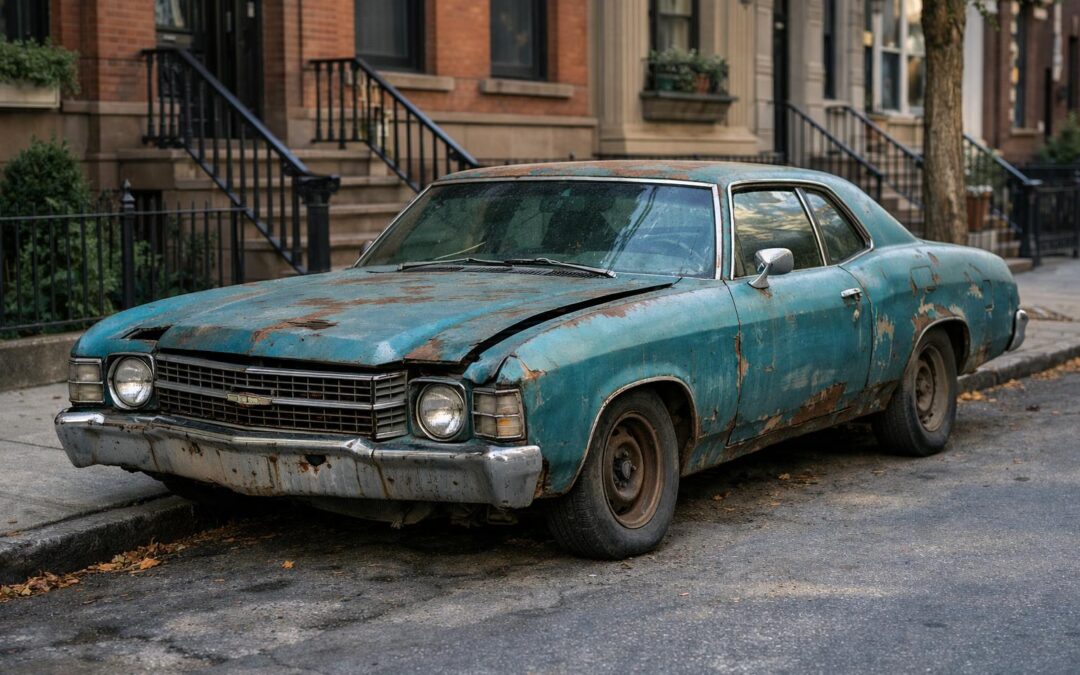
Cars With No Title: What You Need To Know Before You Buy or Sell
Table of Contents
- Introduction: What Is a Car With No Title?
- Why a Car Might Not Have a Title
- Risks of Buying Cars With No Title
- How to Check a Car’s History Without a Title
- Legal Ways to Obtain a Title
- State-by-State Differences for Cars Without Titles
- Buying a Car With No Title: Step-by-Step Guide
- Selling a Car With No Title: What Are Your Options?
- Common Myths About Cars With No Title
- FAQ About Cars With No Title
- Conclusion: When a No-Title Car Is Worth It (And When It Is Not)
Introduction: What Is a Car With No Title?
A car with no title is a vehicle for which the current owner cannot produce a valid certificate of title. The title is the primary legal document proving ownership, and in most states it is required for registration, resale, and transfer of ownership.
People often encounter cars with no title in private sales, barn finds, classic restorations, inherited vehicles, and project cars. While these vehicles can be bargains, they also carry serious legal and financial risks if you do not handle the paperwork correctly.
Why a Car Might Not Have a Title
There are many reasons a vehicle might not come with a title, and not all of them are suspicious. Understanding the possible causes helps you evaluate the risk.
- Lost or misplaced title: The most common scenario, especially for older vehicles and long-term owners.
- Never titled in that state: Vehicles relocated from another state or country that were never properly retitled.
- Abandoned or towed vehicles: Cars left on property or towed and later sold by a yard or mechanic.
- Estate or inheritance issues: The original owner died and heirs never completed the paperwork.
- Liens or loans not satisfied: The lender may still technically own the car; the title could be held as collateral.
- Salvage or junk history: Vehicles that insurers or states branded as salvage and never properly re-titled after repairs.
- Theft or fraud: In worst cases, the car may be stolen, cloned, or have a tampered VIN.
Even if the seller’s story sounds reasonable, you must verify the vehicle’s status before paying.
Risks of Buying Cars With No Title
Buying a car with no title can sometimes work out, but you should be clear on the possible downsides.
- Registration problems: Many states will not register or issue plates without a proper title or ownership document.
- Inability to insure: Some insurers require a title in your name before providing full coverage.
- Financing limitations: Banks usually will not finance vehicles that do not have clear titles.
- Resale difficulties: Even if you can use the car, selling it later may be very hard or heavily discounted.
- Risk of seizure: If the car is stolen or has a title issue, law enforcement can seize it with no refund to you.
- Unexpected back fees: You could be on the hook for unpaid registration fees, taxes, or penalties.
Risk Comparison: Titled vs No-Title Vehicles
| Factor | Car With Clear Title | Car With No Title |
|---|---|---|
| Ownership Proof | Strong, universally recognized | Weak, often questioned |
| Registration Ease | Usually straightforward | Complex, sometimes impossible |
| Insurance Options | Full range of coverage available | Limited or liability only in some cases |
| Resale Value | Market value based on condition | Typically discounted or parts-only value |
| Legal Risk | Low if paperwork is clean | Medium to high, depending on history |
| Time/Cost to Correct Issues | Minimal | Can be significant and unpredictable |
How to Check a Car’s History Without a Title
You cannot safely buy a car with no title without doing your homework. Thankfully, you can investigate a vehicle even when the official title is missing.
- Use the VIN: The Vehicle Identification Number is your main tool. It is usually located on the dashboard near the windshield, on the driver’s door jamb, and on certain frame locations.
- Verify the VIN matches: Confirm the VIN on any documents, the dash, and the frame all match. Mismatched VINs are a red flag for theft or major repairs.
- Run a vehicle history search: Use the VIN to check for prior accidents, salvage status, theft records, odometer rollbacks, and previous titles in other states.
- Check with local law enforcement: Some departments can verify whether the vehicle is reported stolen or involved in a crime.
- Contact your DMV: Ask if there are liens, title holds, or brandings attached to that VIN.
- Inspect bills of sale and old paperwork: Old registrations, repair invoices, and insurance cards can help show a chain of ownership.
If anything seems off during these checks, walk away. A cheap deal can quickly become a costly legal problem.
Legal Ways to Obtain a Title
Depending on your state, there are several legal methods to get a title for a car purchased without one. The exact requirements differ, but the general approaches are similar.
1. Replacement or Duplicate Title
If the prior owner legitimately lost the title, the simplest solution is to have them apply for a duplicate.
- The current titled owner requests a replacement from their DMV.
- The DMV mails the new title to the owner, who signs it over to you.
- You then transfer and register the car in your name.
This is usually the safest route, and you should strongly encourage the seller to do this before you exchange money.
2. Bonded Title
A bonded title is a special process where you post a surety bond for the vehicle, guaranteeing that you are the rightful owner.
- You obtain a value estimate for the vehicle.
- You purchase a surety bond, typically for 1.5 to 2 times the car’s value.
- You submit the bond and required paperwork to your DMV.
- The state issues a bonded title; if no one disputes your ownership after a set period, it may convert to a standard title.
Bonded titles are common solutions for project cars, barn finds, and vehicles with incomplete documentation.
3. Mechanic’s or Storage Lien Title
Shops, tow yards, and property owners may claim a vehicle through a mechanic’s or storage lien if the owner fails to pay fees or abandons the vehicle.
- The business follows state procedures, including notices and waiting periods.
- After the legal process, the vehicle can be sold at auction or with a lien title.
If you buy such a car, ensure the lien process was followed exactly, or you could face challenges later.
4. Court-Ordered Title
In complicated cases, such as disputes over inheritance or fraud, you may need a court order granting ownership.
- You file a petition with a local court describing the situation.
- You present evidence of your claim.
- If approved, the court order instructs the DMV to issue a title.
This route can be time-consuming and may require legal help, so it is usually reserved for high-value vehicles.
State-by-State Differences for Cars Without Titles
Every state in the United States has its own rules for dealing with cars with no title. What works in one state might be impossible in another.
- Older vehicles: Some states never issued titles for very old cars and may accept a bill of sale for pre-title years.
- Bonded titles: Many states allow bonded titles, but the bond amounts, waiting periods, and eligibility vary.
- Out-of-state vehicles: Additional inspections and documentation may be required when the vehicle came from another state.
- Emissions and safety requirements: Older or rebuilt vehicles might need inspections before a title is issued.
- Salvage and rebuilt rules: States differ on how and when a salvage car can return to roadworthy status.
Before buying a car with no title, contact your local DMV or motor vehicle agency and explain the situation in detail. Ask them to list the exact documents they will require to issue a title and registration.
Buying a Car With No Title: Step-by-Step Guide
If you are still considering purchasing a car with no title, follow a careful process to reduce risk.
-
Gather information from the seller.
- Full name, address, and contact details.
- Photo ID to confirm identity.
- Explanation of why the title is missing.
-
Inspect the car and verify the VIN.
- Check the VIN in multiple locations.
- Confirm the VIN is clear, untampered, and matches any papers.
-
Run background checks.
- Use the VIN to look for theft, salvage, or title problems.
- Confirm with local law enforcement that the car is not stolen.
-
Talk to your DMV before you pay.
- Explain that the car has no title.
- Ask exactly what is needed to get a title in your name.
- Verify whether a bonded title or other process is allowed.
-
Negotiate the price accordingly.
- Factor in the cost of bonds, fees, inspections, and possible legal help.
- Consider the risk of never being able to title it; price it like a parts vehicle if necessary.
-
Use a detailed bill of sale.
- Include buyer and seller names, addresses, and signatures.
- List VIN, year, make, model, mileage, and sale price.
- Add statements about the missing title and any promises by the seller.
-
Keep records of all communications and payments.
- Save texts, emails, and messages.
- Use traceable payment methods instead of cash when possible.
Following these steps does not guarantee a problem-free title, but it greatly increases your chances and protects you if disputes arise.
Selling a Car With No Title: What Are Your Options?
If you own a car with no title, you also face challenges. However, you still have some paths forward.
- Apply for a replacement title: If you are the last titled owner and your information matches DMV records, this is often the easiest solution.
- Resolve any liens: Contact lenders or lienholders, pay off debts, and request lien releases before you sell.
- Use a bonded title process: If allowed in your state, you can secure a bonded title before offering the car for sale.
- Sell as a parts or project car: Clearly state in writing that the car is being sold without a title, for parts or off-road use, if your state allows such sales.
- Work with licensed dealers or rebuilders: Some professionals are experienced in handling no-title vehicles and can take on the paperwork burden.
Always be honest and transparent with buyers. Misrepresenting a no-title car as having “easy paperwork” can lead to legal trouble and unhappy customers.
Common Myths About Cars With No Title
Misinformation about cars with no title can cause both buyers and sellers to make poor decisions. Here are some common myths and the reality behind them.
-
Myth 1: A bill of sale is as good as a title.
Reality: A bill of sale shows a transaction, but in most states it does not replace a title for registration or proof of ownership.
-
Myth 2: Old cars never need titles.
Reality: Some states exempt very old vehicles, but many still require titles or alternative documents. Rules differ widely.
-
Myth 3: If the car is cheap, it is worth the risk.
Reality: A low purchase price can easily be wiped out by title problems, legal fees, or the inability to register the car.
-
Myth 4: You can always get a title through a loophole.
Reality: Some “loopholes” promoted online violate state laws and can result in fraud charges or vehicle seizure.
-
Myth 5: If it has plates or insurance, the title must be fine.
Reality: Plates and insurance do not guarantee that the title is clear, current, or legally transferable.
When it comes to cars with no title, assumptions are dangerous. Always verify, never guess.
FAQ About Cars With No Title
Is it legal to buy a car with no title?
In many places it is legal to buy a car with no title, but using it on public roads or registering it may not be possible until you obtain proper ownership documents. Laws vary by state, so always check with your DMV first.
Can I register a car without a title?
Most states require a title or equivalent ownership proof to register a vehicle. Some may allow registration through a bonded title, court order, or special process for older vehicles, but these procedures can be strict.
What documents should I get if I buy a car with no title?
At minimum, you should obtain a signed bill of sale listing the VIN, sale price, and both parties’ information. Any old registration cards, previous bills of sale, repair receipts, and lien release letters can also help prove a chain of ownership.
Is a salvage certificate the same as a title?
No. A salvage certificate or salvage branding indicates the vehicle was declared a total loss by an insurer. Some states allow you to rebuild and then apply for a rebuilt title, but until you complete that process, it is not the same as a standard title.
Can I get insurance on a car with no title?
Some insurers may offer limited coverage based on a VIN and bill of sale, but many companies require a title in your name for full coverage. You will need to discuss the situation with your insurer and understand any limitations.
What if I discover the car is stolen after I buy it?
If the vehicle is stolen, law enforcement can seize it, and you may lose both the car and your money. This is why it is critical to run background checks, verify the VIN, and contact local authorities before completing the purchase.
How long does a bonded title stay “bonded”?
The bonding period varies by state, commonly between three and five years. During that time, if no one challenges your ownership, the vehicle often converts to a standard title at the end of the term.
Can I use a car with no title off-road only?
Some people use no-title vehicles for parts, track days, farm use, or off-road only. Whether this is allowed, and what paperwork is required, depends on your local laws. Even for off-road use, you still want clear proof of legal ownership.
Is it easier to get a title for a classic or antique car?
Sometimes. Certain states have relaxed rules or special procedures for classic cars, especially if they predate title laws. However, you still must prove lawful ownership, and the process can involve inspections and documentation.
Should I avoid cars with no title entirely?
For most everyday buyers, avoiding no-title cars is safest. These vehicles can be reasonable projects for experienced enthusiasts who understand the legal process and are prepared for extra costs and delays, but they are rarely a good choice for casual buyers.
Conclusion: When a No-Title Car Is Worth It (And When It Is Not)
Cars with no title sit at the intersection of opportunity and risk. On one hand, they can be affordable entry points to classic car ownership, restoration projects, or parts donors. On the other hand, they can also be legal headaches that never make it onto the road.
Before you buy or sell a car with no title, take the time to:
- Understand why the title is missing.
- Verify the vehicle’s history and legal status.
- Speak directly with your DMV about realistic options.
- Use detailed, written documentation for every step.
If the numbers still make sense after factoring in time, fees, and potential complications, a no-title car might be a worthwhile project. If not, it is often better to walk away and wait for a vehicle with a clean, transferable title that will not cause issues down the road.