
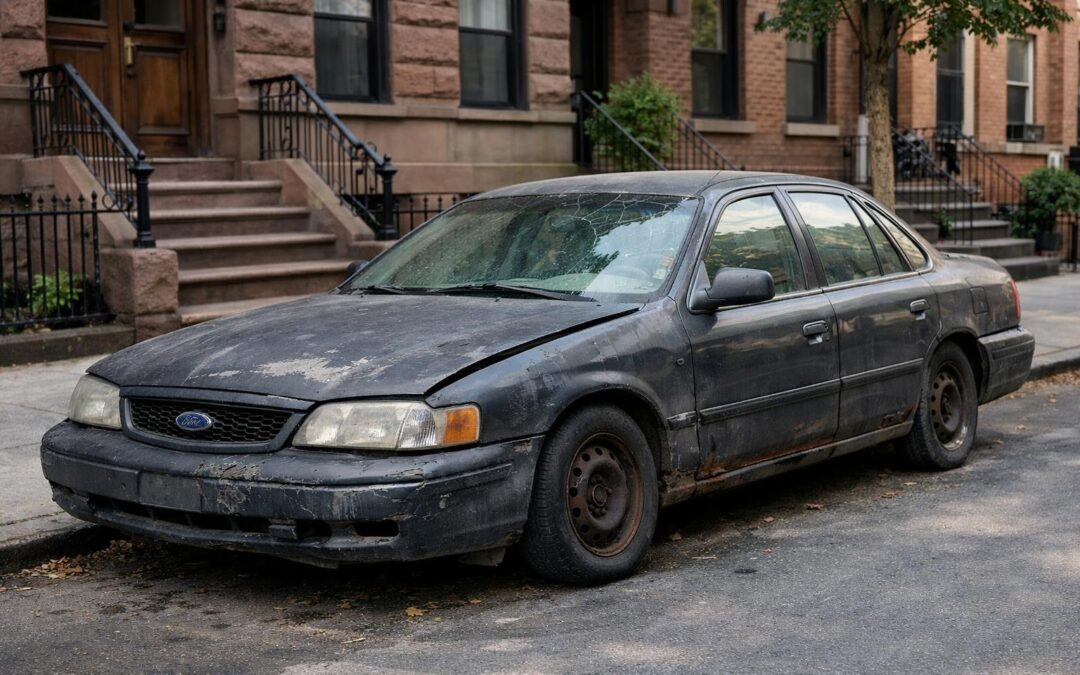
Cars Without Title: A Practical Guide to Buying, Selling, and Solving Title Problems
Table of Contents
- What Is a Car Title and Why It Matters
- Common Reasons Cars Have No Title
- Is It Legal to Buy or Sell a Car Without a Title?
- Risks of Cars Without Title
- How to Check the History of a Car With No Title
- Legal Ways to Get a Title for a Car Without Title
- Special Cases: Classic, Abandoned, and Out-of-State Cars
- Tips for Sellers: How to Sell a Car Without a Title Safely
- Frequently Asked Questions About Cars Without Title
- Conclusion: Should You Deal With Cars Without Title?
What Is a Car Title and Why It Matters
A car title is the official legal document that proves who owns a vehicle. It is usually issued by a state’s Department of Motor Vehicles (DMV) or equivalent agency. Without a properly issued and signed title, ownership of the vehicle is unclear and can easily be disputed.
The car title typically includes:
- Vehicle Identification Number (VIN)
- Year, make, and model
- Odometer reading at the time of transfer
- Owner’s name and address
- Lienholder information (if there is a loan)
When you buy or sell a vehicle, transferring the title is what legally transfers ownership. A bill of sale alone may not be enough to register or insure the car in many states.
Common Reasons Cars Have No Title
Not every car without title is stolen or part of a scam. Sometimes the paperwork is simply missing or damaged. However, you should always investigate carefully.
Typical reasons a car may not have a title include:
- Lost or damaged title – The owner misplaced the document or it was destroyed.
- Inherited vehicle – The car passed through a family and paperwork was never handled properly.
- Very old vehicles – Some older or classic cars predate modern titling systems in certain states.
- Abandoned vehicles – Found cars that have been left on private property or towed and never claimed.
- Out-of-state purchases – A car moved from a state with different title rules, and the paperwork was never converted.
- Mechanic’s or storage lien – A shop or towing company possesses the car but never received the title.
While some of these situations are fixable through the DMV, others may be red flags that the car could be stolen, salvaged, or have serious legal issues.
Is It Legal to Buy or Sell a Car Without a Title?
Whether you can legally buy or sell a car without title depends heavily on your state or country. Many states require a valid title for registration and will not allow you to put the car on the road without one.
General guidelines:
- In most places, selling a car without providing a title to the buyer is risky and may be illegal.
- Some states allow older vehicles (often pre-1970s or pre-title law) to be sold and registered with alternative documents.
- Certain sales, such as parts-only or salvage vehicles, may be allowed without a title, but the car cannot legally be driven on public roads.
- Law enforcement and DMV agencies can seize vehicles suspected of being stolen or improperly titled.
Before you agree to any deal, contact your local DMV to verify what is required in your area for vehicles without title.
Risks of Cars Without Title
Cars without title often look like bargains, but the hidden risks can be far more expensive than the savings. Understanding these risks helps you decide whether the deal is worth pursuing.
| Risk | What It Means | Potential Consequence |
|---|---|---|
| Stolen vehicle | Car may have been taken without the true owner’s consent. | Vehicle can be seized, and you could lose your money. |
| Outstanding liens | A bank or lender still has a financial claim on the car. | Lienholder can repossess the vehicle even after you buy it. |
| Salvage or flood damage | Car has been declared a total loss or badly damaged. | Unsafe to drive, difficult or impossible to insure. |
| Registration problems | You cannot legally register the car in your name. | Car may only be used for parts or off-road. |
| Legal disputes | Multiple people may claim ownership. | Court battles, legal fees, and possible loss of the car. |
When someone offers a car without title, ask yourself why they have not already resolved the issue. If the price seems too good to be true, assume there is a serious problem until proven otherwise.
How to Check the History of a Car With No Title
Before you consider buying a car without title, do as much research as possible. The goal is to make sure the car is not stolen, has no major liens, and is what the seller claims it is.
Steps to investigate the vehicle:
- Inspect the VIN
- Locate the VIN on the dashboard, driver’s door jamb, engine bay, and frame.
- Make sure all VINs match and appear untampered with.
- A scratched, re-stamped, or missing VIN is a major red flag.
- Run a vehicle history check
- Use the VIN to obtain a history report where available.
- Look for salvage titles, stolen records, odometer rollbacks, and previous owners.
- Call your DMV
- Ask whether the VIN is clear, salvaged, or branded in any way.
- Check if there are existing liens or if the car has been reported stolen.
- Ask the seller for documentation
- Request a bill of sale, old registration cards, insurance documents, or repair invoices with the VIN and their name.
- Compare names and addresses on all documents.
- Verify with law enforcement (where allowed)
- Some areas allow you to ask local police to confirm whether a VIN is on a stolen vehicle list.
If anything seems inconsistent or suspicious, walk away. A cheap car is not worth criminal charges or losing your money.
Legal Ways to Get a Title for a Car Without Title
In many cases, it is possible to obtain a legal title for a car without title, but the process can be slow and paperwork-heavy. Always follow your local laws and get everything in writing.
Common methods to obtain a title include:
- Duplicate title request by the current owner
- The easiest and safest route.
- Ask the seller to apply for a duplicate title with the DMV and only complete the sale once it is issued.
- Bonded title
- Available in many states for vehicles with unclear ownership.
- You purchase a surety bond up to a certain value of the car.
- If no one claims the car after a set period, the bonded title becomes fully valid.
- Court-ordered title
- Used in complicated cases with disputed ownership or missing records.
- Requires filing a petition with a court and providing proof of good-faith purchase and attempts to contact prior owners.
- Mechanic’s or storage lien title
- Shops, towing companies, or storage facilities can sometimes obtain title for unclaimed vehicles.
- Strict notice and waiting period rules usually apply.
- Registration-only or non-title registration
- Some states allow older vehicles to be registered without title using a bill of sale and other proof.
- This may or may not translate into a full title later.
Always keep copies of:
- The bill of sale
- Any correspondence with the seller
- DMV forms and receipts
- Notices sent to prior owners or lienholders
These records protect you if your ownership is ever questioned.
Special Cases: Classic, Abandoned, and Out-of-State Cars
Not all cars without title are everyday commuter vehicles. Some fall into special categories that have unique rules and processes.
Classic and Antique Cars Without Title
Older vehicles may have been bought and sold for decades without formal paperwork. Some states did not require titles for cars over a certain age until relatively recently.
- States may offer special antique or hobbyist registration paths.
- Clubs and collector communities often know local rules and best practices.
- You may need multiple affidavits, appraisals, and a detailed chain of ownership.
Abandoned or Towed Cars
Cars left on private property, apartment parking lots, or public roads can be classified as abandoned. Property owners and towing companies cannot simply claim these cars without title; they must follow legal procedures.
- Authorities usually require notices to the last known owner and lienholders.
- If the car remains unclaimed, it may be sold at auction or assigned a new title under specific statutes.
- Buying directly from a legal impound or auction is often safer than dealing with a private seller with no paperwork.
Out-of-State and Imported Vehicles
Cars that move between states or come from overseas can have confusing paperwork situations.
- Some states use different documents, like previous registrations instead of titles for certain years.
- You may need customs documents, export paperwork, or foreign registration papers for imported vehicles.
- Always check with your DMV before purchase to confirm what documents will be accepted to issue a new title.
Tips for Sellers: How to Sell a Car Without a Title Safely
If you are the one holding a car without title, prepare carefully before you list it for sale. Rushing can expose you to liability or reduce the value of the car.
Steps for a safer sale:
- Try to get a replacement title first
- Contact the DMV to apply for a duplicate or replacement title.
- Buyers will pay more for a car with clean paperwork.
- Be honest in your listing
- Clearly state that the car has no title.
- Explain why and describe what steps you have already taken with the DMV.
- Gather supporting documents
- Old registration cards.
- Maintenance records.
- Previous bills of sale or insurance papers with your name and the VIN.
- Use a detailed bill of sale
- Include buyer and seller names, addresses, and contact details.
- Write in the VIN, odometer reading, price, date, and “sold as-is, no title provided.”
- Avoid suspicious buyers and rushed cash deals
- If someone insists on skipping paperwork, that is a bad sign.
- Keep copies of everything you sign.
In some situations, you may be better off selling the vehicle as parts only or to a licensed dismantler or salvage yard, especially when getting a legal title is not practical.
Frequently Asked Questions About Cars Without Title
Can I register a car without title in my name?
In many states, you cannot register or legally drive a car without title. Some exceptions exist for older vehicles or special programs like bonded titles. Contact your local DMV and provide the VIN and any paperwork you have to see what options are available.
Is it safe to buy a car without title if the seller gives me a bill of sale?
A bill of sale is helpful, but it is usually not enough by itself to prove ownership or register the vehicle. Safety depends on whether the VIN is clear, the car is not stolen, and your state allows alternative title processes. Always verify the vehicle’s history and your local laws before paying.
What should I do if I already bought a car without title?
Start by contacting your DMV with the VIN and any documents you received. Ask if the car has a clean record, and what steps are required for a bonded or replacement title. At the same time, try to reach the seller for any missing paperwork or signatures. Keep all communications documented.
How long does it take to get a bonded title?
Time frames vary by state, but the process often takes several weeks to a few months. You may need inspections, a surety bond, and multiple DMV visits. After the bonded title is issued, there is usually a waiting period (often 3 to 5 years) during which previous owners can challenge ownership.
Can I insure a car without title?
Most insurance companies want proof that you legally own the vehicle, which normally means a title or at least a valid registration in your name. Some insurers may provide limited coverage during a title application process, but many will not insure a car you cannot register. Always check with your insurer directly.
Are cars without title always cheaper?
They are often advertised at lower prices because of the extra risk and work required. However, the money and time needed to fix title problems can erase any savings. Hidden issues like salvage history, frame damage, or liens can also make the car more expensive than a similar vehicle with clear title.
What is the difference between a salvage title and no title?
A salvage title means the car has been declared a total loss by an insurer or state, but there is still an official record of ownership. A car with no title at all has no current legal document proving ownership. A salvage car with proper paperwork is often easier to register than a car without title.
Can I part out or scrap a car without title?
In many areas, you can sell a car to a licensed junkyard or dismantler without title, but you may receive less money. The buyer usually must follow specific rules to report the vehicle and dismantle it. When you sell a car for parts, make sure you get a receipt and keep a copy for your records.
What documents help if I do not have a title?
Useful documents include previous registrations, insurance cards, repair invoices, past bills of sale, and any lien release letters. All should show the VIN and preferably your name or the seller’s name. The more support you provide, the easier it is for the DMV to verify ownership.
Should I walk away from every deal involving a car without title?
Not necessarily, but extreme caution is wise. Some deals, such as non-running project cars, classic vehicles with old paperwork, or cars sold strictly for parts, can be reasonable. The key is knowing the laws where you live, verifying the VIN, and understanding that resolving the title may be slow and uncertain.
Conclusion: Should You Deal With Cars Without Title?
Cars without title sit in a legal gray area. They can be genuine bargains for knowledgeable buyers, or expensive mistakes for those who underestimate the risks. Before you commit, weigh these key points:
- Without a title, you do not truly know who owns the vehicle.
- Stolen or lien-encumbered cars can be taken from you without compensation.
- DMV rules vary greatly, and not every car without title can be retitled.
- The time and cost to fix title issues can exceed what you saved on the purchase price.
If you decide to move forward with a car without title, do so methodically. Verify the VIN, research the history, speak directly with the DMV, and document every step. When in doubt, walking away is often the smartest financial and legal choice.