
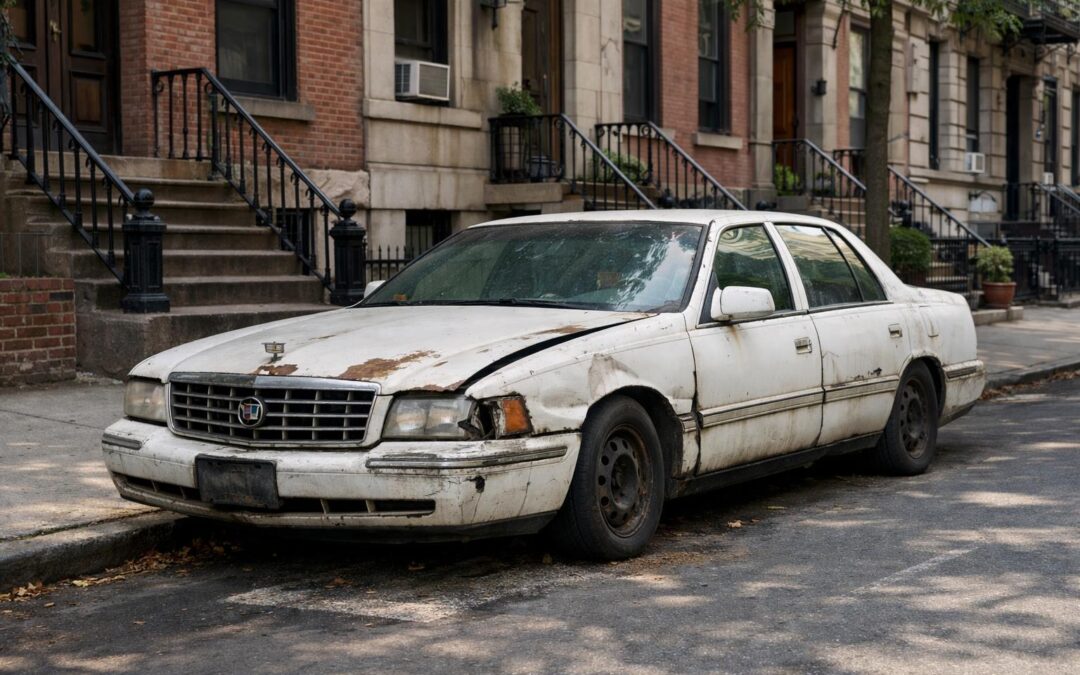
Sell Junk Car Without Title: A Complete Step‑by‑Step Guide
Table of Contents
- What It Means to Sell a Junk Car Without a Title
- Check Your State Laws First
- How to Prove Ownership Without a Title
- How to Get a Replacement or Duplicate Title
- Who Buys Junk Cars Without Titles?
- How to Maximize the Value of a No‑Title Junk Car
- How to Avoid Scams and Legal Trouble
- Important Paperwork and Documents Checklist
- Frequently Asked Questions
- Conclusion
What It Means to Sell a Junk Car Without a Title
Selling a junk car without a title can be done in many areas, but it usually requires extra steps to prove that you are the legal owner. The title is the primary document that shows who owns the vehicle. When you do not have it, buyers and authorities need other proof before they will accept the sale.
A junk car or salvage vehicle may be:
- Too damaged to repair at a reasonable cost
- Missing major parts like the engine or transmission
- Non‑running for a long period of time
- Abandoned on your property or left behind by someone else
Many junkyards, scrapyards, and cash‑for‑cars services buy vehicles mainly for metal and parts. That means some of them are more flexible when you are trying to sell a junk car without title, as long as you can show you did not steal the vehicle.
Check Your State Laws First
Auto title laws vary widely by state, and in some places, you cannot legally sell a vehicle without a title at all. Before calling buyers, check what your local rules allow.
Key points to research in your state or province include:
- Whether a title is required for any sale, even for scrap or parts
- Whether a junkyard can buy a car without a title if they follow extra reporting rules
- What documents can substitute for a title, such as registrations or affidavits
- What penalties apply if you sell a car improperly or misrepresent ownership
Often you can find this information on your motor vehicle agency website or by calling them. If your state allows it, you will have clear guidance on what documents a buyer must collect to complete the transaction legally.
How to Prove Ownership Without a Title
When you sell a junk car without a title, the main goal is to show that you are the true owner and that there are no liens or theft issues. Buyers typically look for multiple pieces of evidence.
Common Documents That Help Prove Ownership
- Current or recent vehicle registration with your name and address
- Insurance card or policy listing the vehicle and your name
- Bill of sale from when you originally purchased the car
- Photo ID that matches the name on registration or other paperwork
- Repair receipts with vehicle identification number (VIN) and your name
- License plates still registered to you
VIN Verification and Vehicle History
Legitimate buyers may run the VIN through a database to make sure the car is not stolen and to see if there are any liens. You should locate the VIN on:
- The dashboard near the windshield on the driver side
- The driver‑side door jamb sticker
- The engine block or frame on some vehicles
If you cannot read the VIN due to rust or damage, the buyer may be unable to purchase the car, because they must report the vehicle they are buying to the authorities or their internal system.
Affidavits and Notarized Statements
In some areas, you can sign a sworn statement that explains how you obtained the vehicle and why you do not have the title. Sometimes this is called an affidavit of ownership or bonded title application. Junkyards often have standard forms they use for this purpose.
How to Get a Replacement or Duplicate Title
Even if you want to sell your junk car quickly, applying for a replacement title can make the process easier and may get you a higher offer.
Basic Steps to Get a Replacement Title
- Gather basic information about the car:
- VIN
- Year, make, and model
- Current odometer reading, if available
- Confirm you are the titled owner in the DMV records.
- Complete the official application for a duplicate title from your motor vehicle agency.
- Provide identification and pay the required fee.
- Wait for processing, which may take from a few days to several weeks.
If there is a lienholder listed, you may need a lien release letter. If the vehicle has passed through several owners without proper paperwork, you may need a more complex process like a bonded title.
When a Replacement Title Is Not Possible
Sometimes the original title holder has passed away, cannot be located, or refuses to cooperate. In those cases, you may have to:
- Use an affidavit of inheritance or small estate process if the owner is deceased
- Work with an attorney if there is a dispute about who owns the vehicle
- Request guidance from your DMV on an abandoned or unclaimed vehicle procedure
These processes may be slower, but they can turn a questionable vehicle into one that you can sell without fear of legal issues later.
Who Buys Junk Cars Without Titles?
Not all buyers are willing or able to purchase a vehicle without a title. Knowing who to contact can save time and help you get a fair offer.
Types of Buyers
- Licensed junkyards and auto recyclers that dismantle vehicles for metal and parts
- Cash‑for‑cars services that specialize in non‑running or no‑title vehicles
- Scrap metal buyers that pay by weight for the vehicle as metal
- Private mechanics or hobbyists looking for parts cars, if allowed by law
What Buyers Look For
- A readable VIN
- Evidence that you legally control the vehicle
- Whether the car is complete or missing major parts
- Current metal prices and demand for parts for your make and model
Typical Requirements by Buyer Type
| Buyer Type | Title Required? | Common Alternatives | Best For |
|---|---|---|---|
| Licensed Junkyard / Recycler | Often optional, depends on state | Registration, ID, signed affidavit | Non‑running, severely damaged vehicles |
| Cash‑for‑Cars Company | Usually preferred, but not always required | Combo of documents proving ownership | Quick sale and free towing |
| Scrap Metal Buyer | Varies; often follows junkyard rules | VIN verification, basic forms | Cars sold by weight, low‑value vehicles |
| Private Buyer / Hobbyist | Often needs title for future registration | Bill of sale, but riskier for both sides | Project cars, rare models |
How to Maximize the Value of a No‑Title Junk Car
Even without a title, you can still influence how much money you receive for your vehicle. Buyers consider condition, completeness, and how easy the transaction will be.
Prepare the Vehicle
- Remove personal items from the interior, trunk, and glove box.
- Locate keys if possible, especially if the steering is locked.
- Gather all paperwork you can find that relates to the car.
- Check for valuable parts such as catalytic converters, batteries, and aluminum wheels.
Decide Whether to Sell Whole or Part Out
Sometimes parting out a car can generate more income, but it requires time, tools, and storage space. Consider:
- How quickly you need the car removed
- Whether you have room and tools to safely remove parts
- Local demand for parts from your particular vehicle
If you are in a hurry or lack tools, selling as a complete junk car is usually best, even if the payout is slightly lower.
Get Multiple Quotes
Call several junk car buyers and be honest about the missing title. Provide:
- Year, make, and model
- VIN if available
- Whether the car runs or starts
- Major damage or missing components
- Your location for towing estimates
Compare offers, towing fees, and how they handle no‑title vehicles before choosing a buyer.
How to Avoid Scams and Legal Trouble
Because you are selling a junk car without a title, you must be careful. Unscrupulous buyers may try to take advantage of the situation or involve you in illegal activity without your knowledge.
Red Flags to Watch For
- Buyer refuses to show a business name, license, or identification
- Buyer pushes you to lie on paperwork or sign blank forms
- Buyer offers extremely high prices that seem unrealistic
- Buyer wants to move the car without any paperwork at all
Protect Yourself
- Document the transaction with a clear bill of sale that includes VIN, sale date, sale price, and buyer and seller information.
- Keep copies of all paperwork and any communication about the sale.
- Notify your motor vehicle agency that you sold or transferred the car, if your state requires it.
- Remove license plates and either return them or destroy them according to local rules.
These steps help protect you if the buyer later abandons the car, uses your old plates illegally, or creates other problems.
Important Paperwork and Documents Checklist
Having your documents ready makes the sale smoother and reassures the buyer that you are legitimate. Use this checklist as you prepare to sell your junk car without a title.
Seller’s Checklist
- Government‑issued photo ID
- Any old registration documents
- Current or past insurance paperwork for the vehicle
- Old bills of sale or purchase receipts, if available
- Vehicle information:
- VIN
- Year, make, and model
- Approximate mileage, if known
- Repair receipts with the VIN and your name
- Keys and any remote fobs you still have
- License plates removed from the vehicle
At the Time of Sale
- Sign and date a clear bill of sale
- Record the buyer’s name, address, and phone number
- Note the agreed price and method of payment
- Confirm how towing will be handled and when pickup will occur
Important: Never leave your plates or signed blank documents with the buyer. Complete all forms before you hand them over, and keep copies whenever possible.
Frequently Asked Questions
Can I legally sell a junk car without a title?
In many areas, you can sell a junk or scrap vehicle without a title, but only under certain conditions. Most states require alternative documents that prove ownership, such as registration, ID, and signed affidavits. Always verify local regulations with your motor vehicle agency before proceeding.
Will I get less money for a junk car without a title?
Usually, yes. Buyers assume more risk and administrative work when a title is missing, so offers are often lower than for similar cars with clean paperwork. However, if the car is badly damaged or only worth scrap value, the difference may not be very large.
What if the car was abandoned on my property?
An abandoned vehicle typically requires a special legal process. You may need to notify law enforcement, send certified letters to the last titled owner, or follow a court or DMV procedure to claim ownership. Do not sell an abandoned car until you complete the required steps, or you could be accused of selling stolen property.
Can a junkyard help me if I lost my title?
Many junkyards are familiar with local rules and may offer guidance, forms, or even assistance in obtaining a replacement or bonded title. Some can legally accept a car based on registration and a signed affidavit instead of a title. Ask what documents they require before they schedule towing.
How do I protect myself if I sell without a title?
Protect yourself by using a detailed bill of sale, keeping copies of all documents, removing license plates, and notifying your motor vehicle agency that the car has been sold. Only deal with reputable, licensed buyers and refuse to sign incomplete or suspicious paperwork.
Can I sell a financed car without the title?
If you still owe money on the vehicle or a lien appears on the title, you generally cannot legally sell it without paying off the loan and obtaining a lien release. Contact your lender to learn the exact payoff amount and release process before attempting to sell the car as junk.
What if the title is in someone else’s name?
If the title belongs to another person, you must usually have that person sign the title or legally transfer ownership to you before you sell the car. If the person has died or cannot be found, your DMV may offer inheritance or abandoned‑vehicle procedures. Selling a car that is titled to someone else without permission is risky and may be illegal.
Is it better to wait for a replacement title before selling?
Waiting for a replacement title can take more time but often leads to a smoother, safer sale and higher offers. If you are not in a hurry, applying for a duplicate title is usually the best path. If the car has very low value or is urgent to remove, a no‑title sale to a legal junk buyer can still be a practical option.
Conclusion
It is possible to sell a junk car without title, but you must follow local laws and provide alternative proof that you are the rightful owner. Start by researching your state’s rules, gather every document you can, and focus on reputable buyers who understand how to handle no‑title vehicles. By preparing properly, documenting the sale, and protecting yourself from scams, you can turn an unwanted, non‑running car into quick cash while staying on the right side of the law.