
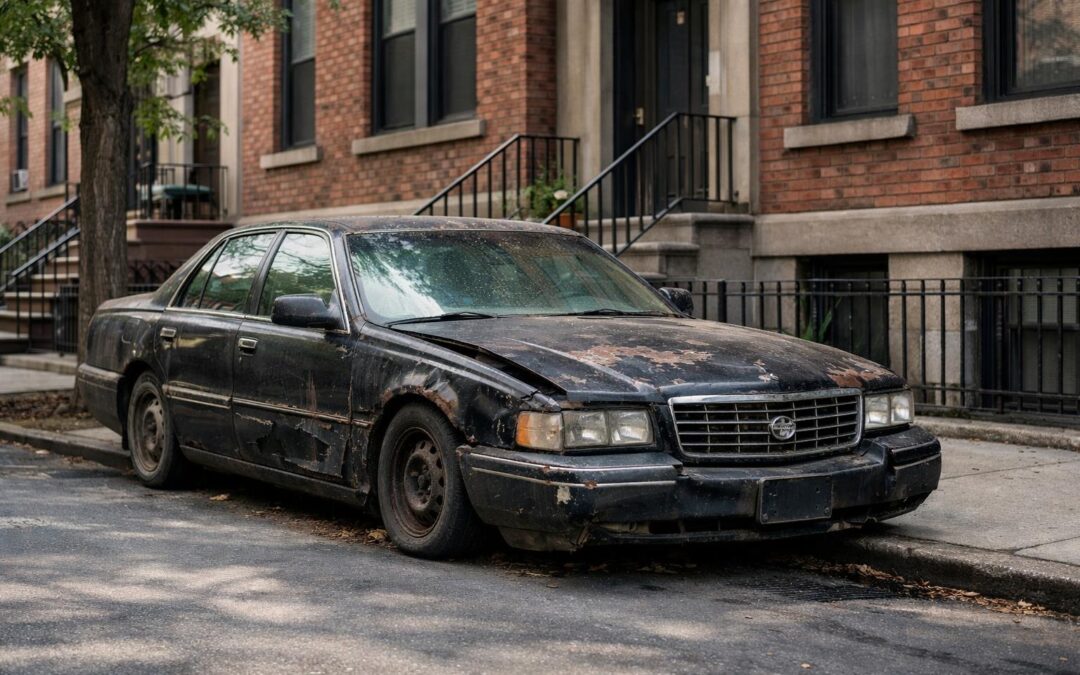
Scrap Cars For Cash: A Complete Guide To Getting The Best Deal
Table of Contents
- What Does “Scrap Cars For Cash” Really Mean?
- When Is It Time To Scrap Your Car?
- How Scrap Car Values Are Calculated
- Steps To Scrap Your Car For Cash
- Documents And Legal Requirements
- Maximizing The Cash You Get For Your Scrap Car
- Environmental Benefits Of Scrapping Cars
- Common Mistakes To Avoid When Scrapping A Car
- Frequently Asked Questions About Scrap Cars For Cash
- Conclusion
What Does “Scrap Cars For Cash” Really Mean?
Scrap cars for cash refers to the process of selling an end-of-life vehicle to a scrap yard, auto recycler, or salvage company in exchange for money. Instead of trying to repair or privately sell a car that is no longer roadworthy or economical to maintain, the owner is paid based on the vehicle’s scrap and salvage value.
These businesses make money by:
- Stripping usable parts and reselling them as used spares.
- Recycling metals such as steel, aluminum, and copper.
- Processing catalytic converters and other components with valuable materials.
As the seller, you benefit from turning a non-functional or unwanted car into instant cash while responsibly disposing of it.
When Is It Time To Scrap Your Car?
Knowing when to choose scrap cars for cash instead of more repairs can save you time and money. Consider scrapping when:
- Repair costs exceed the car’s market value or keep recurring frequently.
- The vehicle has major structural damage, such as a bent chassis or severe rust.
- The car has been written off by an insurance company after an accident or flood.
- You cannot get the vehicle to pass required safety or emissions inspections economically.
- The car has been sitting unused for a long time and would cost a lot to make roadworthy.
- You simply want to free up space and the car has very low resale value.
In many of these situations, scrapping the vehicle is more practical than trying to sell it privately or trade it in.
How Scrap Car Values Are Calculated
The amount of cash you receive for a scrap car is determined by several key factors. Understanding these will help you compare offers and negotiate better.
Key Factors That Affect Your Scrap Car Price
- Weight and size of the vehicle – Heavier vehicles generally bring more scrap value due to higher metal content.
- Make, model, and age – Popular models may have more demand for used parts.
- Current scrap metal prices – Market prices for steel, aluminum, and other metals fluctuate regularly.
- Condition of the vehicle – Running vehicles or those with reusable parts can fetch higher offers.
- Completeness – Cars with all major components (battery, catalytic converter, wheels) intact are worth more.
- Location – Distance from the scrap yard and towing requirements can affect the final cash offer.
Typical Components That Carry Value
Some parts are especially valuable to recyclers and can significantly influence the quote you receive.
- Catalytic converter
- Engine and transmission (even if not perfect)
- Alloy wheels and tires with good tread
- Battery (especially newer or reusable units)
- Body panels, doors, and glass in good condition
- Interior components such as seats, dashboards, and electronics
Example Scrap Car Value Comparison
| Vehicle Type | Condition | Typical Weight Range | Relative Cash Offer Range |
|---|---|---|---|
| Small compact car | Non-running, mostly complete | 1,000–1,300 kg | Low to medium |
| Mid-size sedan | Running, reusable parts | 1,300–1,600 kg | Medium |
| Large SUV / 4×4 | Non-running, complete | 1,800–2,400 kg | Medium to high |
| Pickup truck / van | Running, popular model | 1,800–2,800 kg | High |
These are not exact prices but show how vehicle type and condition influence scrap car offers.
Steps To Scrap Your Car For Cash
Scrapping cars for cash is straightforward if you follow a clear process. Here is a step-by-step overview.
1. Assess Your Car Honestly
- Check whether the car runs or needs towing.
- Note any missing parts, severe damage, or modifications.
- Gather basic information: year, make, model, mileage, and current condition.
2. Gather Quotes From Multiple Buyers
- Contact several scrap yards, auto recyclers, or cash-for-cars services.
- Provide accurate details about the car to get realistic offers.
- Ask whether towing or pickup is included in the quote.
3. Compare Offers And Terms
- Look beyond the headline price and ask about hidden fees or deductions.
- Confirm when you will be paid and in what form (cash, bank transfer, or check).
- Verify whether they handle paperwork and deregistration for you.
4. Prepare The Car
- Remove personal belongings from the cabin, trunk, and glovebox.
- Take off license plates if required in your region.
- Cancel or adjust your insurance policy once the car is picked up or transferred.
- Make sure you have all necessary documents ready for collection.
5. Arrange Collection Or Drop-Off
- Schedule a pickup time that works for you; many companies offer same-day or next-day service.
- If the car is drivable, you may get a slightly better offer for delivering it yourself.
- Confirm again what you need to sign or provide on the day.
6. Get Paid And Complete Paperwork
- Verify that the payment matches the agreed amount before signing over the car.
- Complete the transfer of ownership and any scrappage or deregistration forms.
- Keep copies or photos of all documents for your records.
Documents And Legal Requirements
Even when dealing with scrap cars for cash, there are legal steps you must follow to avoid future issues such as fines or liability.
Essential Documents
- Proof of ownership such as a title, registration document, or certificate of ownership.
- Valid identification such as a driver’s license or other accepted ID.
- Service or maintenance records (optional, but helpful if the buyer is interested in parts).
- Insurance details for cancellation or transfer if necessary.
Ownership Transfer And Deregistration
Most regions require that you:
- Notify the vehicle registration authority that the car has been sold, scrapped, or exported.
- Hand over the correct section of the registration document to the scrap yard or buyer.
- Ensure the buyer’s details are accurately recorded on the transfer form.
This helps ensure you are no longer responsible for taxes, tickets, or any misuse of the vehicle after it leaves your possession.
Tax, Fees, And Insurance Considerations
- In some places, you may be entitled to a partial refund of any unused road tax or registration fees.
- Inform your insurance provider immediately once the car is sold or scrapped.
- Cancel any automatic payments associated with the vehicle.
Maximizing The Cash You Get For Your Scrap Car
You cannot control scrap metal prices, but you can take practical steps to get more money when scrapping your car for cash.
Get Multiple Quotes
- Never accept the first offer without comparison.
- Quotes can vary widely between buyers, even in the same area.
- Use competing offers to negotiate a better deal.
Present A Complete Vehicle
- Cars with all major components intact are worth more.
- Reinstall easily removable items (such as the battery or wheels) if you still have them.
- Mention any valuable parts that are in good condition.
Consider Selling High-Value Parts Separately
If you are comfortable with basic tools and have time, you might:
- Remove and sell alloy wheels, new tires, or performance parts independently.
- Sell a nearly new battery if it is compatible with other vehicles.
- Offer extras like upgraded audio systems separately.
However, keep in mind that:
- A partially stripped vehicle may be worth less as scrap.
- You must disclose missing parts honestly when requesting quotes.
Choose The Right Time
- When scrap metal prices are higher, offers for scrap cars for cash tend to rise.
- Avoid delaying for months if the car is depreciating quickly or deteriorating further.
Environmental Benefits Of Scrapping Cars
Scrap cars for cash is not only about money; it is also a responsible way to reduce environmental impact.
Recycling Metals And Materials
- A significant portion of a car’s metal can be recycled and reused in manufacturing.
- Recycling reduces the need for mining raw materials, saving energy and resources.
- Plastics, glass, and rubber may also be partially recycled or repurposed.
Safe Disposal Of Hazardous Fluids
- Professional scrap yards drain engine oil, transmission fluid, coolant, brake fluid, and fuel safely.
- This prevents contamination of soil and water that can occur if an old car is left to rust.
- Batteries and air conditioning refrigerant are handled according to environmental regulations.
Reducing Abandoned Vehicles
By choosing an authorized recycling facility, you help:
- Reduce the number of abandoned or illegally dumped vehicles.
- Encourage compliance with environmental and safety laws.
- Support a circular economy where materials are reused instead of wasted.
Scrapping cars for cash turns a potential environmental liability into a source of reusable materials and quick income for the owner.
Common Mistakes To Avoid When Scrapping A Car
Many vehicle owners lose money or encounter problems because they are unfamiliar with the scrap process. Avoid these frequent errors.
Accepting The First Offer
- Prices for scrap cars can differ significantly between buyers.
- Taking time to call or message multiple scrap yards can easily increase your payout.
Not Verifying The Buyer
- Dealing with unlicensed or unreliable buyers can lead to legal and financial headaches.
- Always confirm that the business is authorized to handle scrap vehicles in your area.
Leaving Personal Data In The Vehicle
- Remove documents that include your name, address, or financial details.
- Clear out CDs, electronics, garage door openers, and anything linked to your home or accounts.
Skipping Paperwork
- Failing to correctly transfer ownership can result in fines, tax notices, or tickets in your name.
- Never allow a buyer to take the car without completing at least basic sale or scrap documentation.
Overlooking Refunds Or Cancellations
- Some vehicle-related fees or permits may be refundable when a car is scrapped.
- Always cancel insurance and automatic payments related to the vehicle.
Frequently Asked Questions About Scrap Cars For Cash
1. How much cash can I get for my scrap car?
The amount depends on weight, condition, current scrap metal prices, and demand for parts. Heavier vehicles and those with reusable components usually bring higher offers. Getting multiple quotes is the best way to see your car’s current scrap value.
2. Do I need the title or registration document to scrap my car?
In most regions, you must prove ownership with a title or registration document. Some buyers may purchase vehicles without a title under specific conditions, but the process can be more complex. It is always easier and often legally required to have proper documentation.
3. Will the scrap yard pick up my car for free?
Many scrap car buyers offer free collection, especially if the vehicle cannot be driven. Others may charge a towing fee or deduct it from your payment. Always ask whether pickup is included in the quoted price before agreeing to a deal.
4. Can I scrap a car that does not run?
Yes. Non-running vehicles are commonly accepted by scrap yards and cash-for-cars services. The car’s condition does affect the offer, but it still holds value for its metal and usable parts. Towing arrangements will need to be made if the car cannot be driven.
5. Should I remove parts before scrapping my car?
You may earn extra money by selling high-value parts separately, but a partially stripped car can reduce scrap offers. If you remove parts, be honest about what is missing when requesting quotes. For many owners, selling the car complete for a straightforward lump sum is simpler.
6. How long does the scrap car process take?
Once you accept an offer, the process can be very quick. Many companies arrange same-day or next-day collection, and payment is often made at pickup. Gathering quotes and documents may take longer, but the actual handover is usually completed within a short visit.
7. What happens to my car after it is scrapped?
The vehicle is typically depolluted by draining fluids, then dismantled. Reusable parts are removed for resale, and the remaining shell is crushed or shredded. Metals and other materials are separated and sent for recycling. The registration authority is notified that the car has been scrapped.
8. Is scrapping my car better than selling it privately?
If your car is old, unreliable, heavily damaged, or expensive to repair, scrapping it can be faster and more practical than selling privately. Private buyers usually want roadworthy vehicles. Scrap cars for cash services focus on parts and metal value, not just drivability.
9. Can I scrap a car that is still financed or has a loan?
You typically cannot scrap a car that is still under finance without the lender’s permission, because they may hold legal ownership or a lien. Contact your finance company to discuss your options. Scrapping a financed car without clearing the loan can create serious legal issues.
10. Will scrapping my car affect my insurance or driving record?
Scrapping your car does not negatively affect your driving record. However, you must contact your insurer to cancel or adjust your policy. You may receive a partial refund for any unused premium, depending on your policy terms and local regulations.
Conclusion
Scrap cars for cash is a practical solution when your vehicle is no longer worth repairing, cannot be sold easily, or is simply taking up space. By understanding how scrap values are calculated, preparing your documents, and comparing offers from reputable buyers, you can turn an end-of-life car into fast cash with minimal hassle.
Follow the steps outlined in this guide, avoid common mistakes, and treat scrapping your car as both a financial and environmental decision. With a bit of preparation and the right buyer, you can close the chapter on your old vehicle confidently and responsibly.