
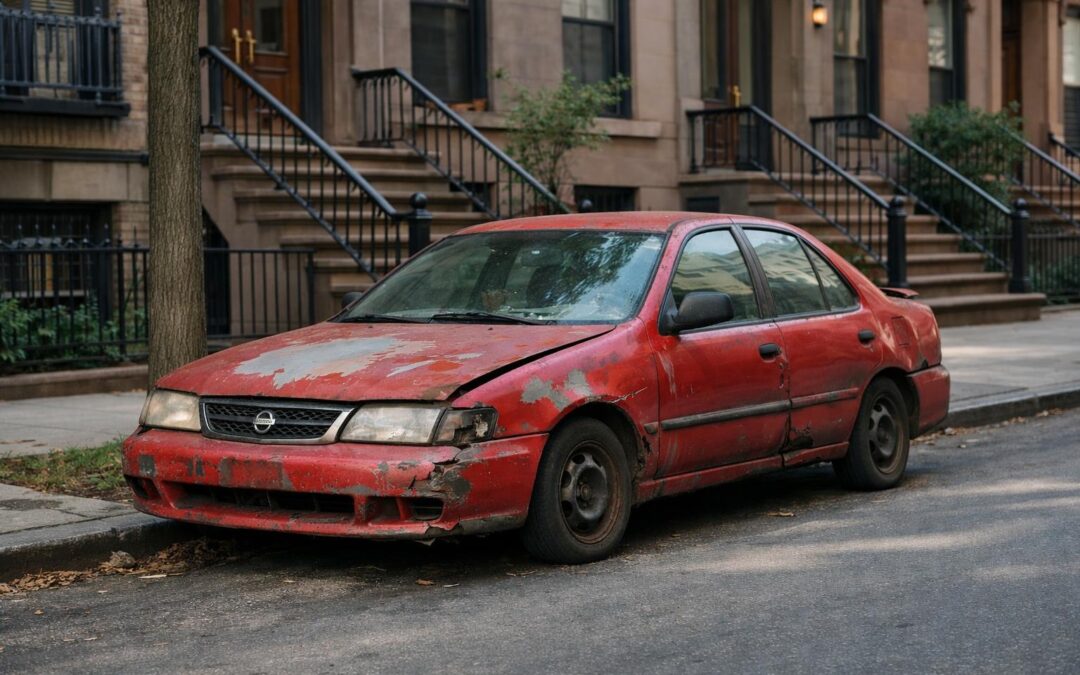
Unwanted Car Removal: Turn Your Old Vehicle into Cash and Space
Table of Contents
- What Is Unwanted Car Removal?
- Signs It Is Time to Remove Your Old Car
- Benefits of Professional Unwanted Car Removal
- How the Unwanted Car Removal Process Works
- Documents and Preparation Before Pickup
- How Much Is Your Unwanted Car Worth?
- Environmental Impact of Removing Unwanted Cars
- Choosing a Reliable Unwanted Car Removal Service
- Frequently Asked Questions About Unwanted Car Removal
- Conclusion: Make the Most of Your Unwanted Vehicle
What Is Unwanted Car Removal?
Unwanted car removal is a service that collects old, damaged, written-off, or simply unused vehicles from your property and disposes of or recycles them in a safe, legal, and efficient way. In many cases, these services also pay you for the vehicle, even if it is no longer running.
This option is popular for owners with:
- Non-running or broken-down vehicles
- Accident-damaged cars that are too expensive to repair
- Unregistered vehicles sitting in driveways or garages
- Old cars that fail safety or emissions checks
- Second or third vehicles that are never used
Instead of letting the car rust away or paying for storage, unwanted car removal turns a problem vehicle into a convenient solution.
Signs It Is Time to Remove Your Old Car
Many owners hold on to an old car longer than they should. Recognizing the right time to arrange unwanted car removal can save money, time, and stress.
- Costly repairs: When each repair bill approaches or exceeds the value of the car.
- Frequent breakdowns: Regular towing, roadside assistance, and missed commitments.
- Failed safety or emissions tests: When bringing the car up to standard is uneconomical.
- No longer driven: The vehicle sits idle for months or years, taking up valuable space.
- Damage from accidents or weather: Hail, floods, or collisions have left the car structurally or mechanically unsound.
- Registration and insurance drain: Ongoing costs for a car you rarely or never use.
If several of these points apply to your situation, unwanted car removal is often the simplest and most sensible route.
Benefits of Professional Unwanted Car Removal
Using a professional service to remove your unwanted car offers more advantages than selling privately or leaving the car unused.
- Fast and convenient: Many providers offer same-day or next-day pickup from your home or workplace.
- Cash for your car: You often receive an instant payment on the spot, even for scrap or non-running vehicles.
- Free towing: Reputable removal companies usually include towing at no additional cost.
- No advertising hassles: Avoid listing the car, dealing with time-wasters, and answering endless questions.
- Legal and safe disposal: Professional companies dismantle and recycle vehicles in line with environmental and regulatory standards.
- Space reclaimed: Free up garages, driveways, yards, and parking spots for more useful purposes.
When compared to the time, effort, and uncertainty of private selling, a structured unwanted car removal service is often a smoother experience.
How the Unwanted Car Removal Process Works
While each provider has its own approach, most unwanted car removal processes follow the same basic steps.
-
Get in touch and request a quote
You contact the removal service and provide key details about your car, such as make, model, year, condition, and location. Many companies offer phone, email, or online quote forms.
-
Receive an offer
Based on your description, the company gives an estimated price. This may be a fixed offer or a price range that is confirmed upon inspection.
-
Schedule pickup
You agree on a date and time for collection. Some services can remove the car the same day, especially in urban areas.
-
Vehicle inspection and paperwork
When the driver arrives, they quickly inspect the vehicle to confirm its condition and verify the documents required for ownership transfer.
-
Payment and removal
Once everything is confirmed, you receive payment, often via cash, bank transfer, or cheque. The vehicle is then loaded onto a tow truck and taken away.
In most cases, the process is completed within 30–60 minutes at your location, with minimal effort on your side.
Documents and Preparation Before Pickup
Preparing in advance makes unwanted car removal smoother and avoids delays. Requirements vary depending on your region, but the following steps are commonly recommended.
- Proof of ownership: Have your title, registration, or other official document that shows you legally own the vehicle.
- Photo identification: A valid driver’s license or government-issued ID is often required.
- Remove personal belongings: Check the glove box, boot, under seats, and storage compartments for any personal items.
- Remove plates (if required): In many areas, license plates must be returned to the registry or used on another vehicle.
- Cancel insurance and registration: Once the car is removed, contact your insurer and relevant authority to cancel or transfer coverage and registration.
- Access for tow truck: Ensure the car is accessible, with space for a tow truck to park and operate safely.
If your car is severely damaged or immobile in a difficult location, discuss this with the removal service beforehand so they can plan the right equipment.
How Much Is Your Unwanted Car Worth?
The amount you receive for unwanted car removal depends on multiple factors. Understanding these elements helps set realistic expectations and can guide your choice of provider.
| Factor | How It Affects Value |
|---|---|
| Make and model | Popular or high-demand models can fetch higher prices for parts and resale. |
| Age and mileage | Newer cars with lower mileage are usually worth more than very old, high-mileage vehicles. |
| Overall condition | Running cars, or those with undamaged major components, have higher value than severely damaged shells. |
| Metal and scrap prices | Global and local scrap metal prices affect what recyclers pay for the vehicle’s metal content. |
| Demand for parts | If your car’s parts are commonly needed, the removal service may pay more to resell components. |
| Location | Distance from the yard and ease of access can influence the cost of towing and affect the offer. |
Even cars considered total write-offs still contain valuable metal and components, which is why many removal services will pay for them, regardless of running condition.
Environmental Impact of Removing Unwanted Cars
Abandoned and neglected vehicles can cause environmental harm. Professional unwanted car removal is designed to reduce these impacts through responsible recycling and disposal.
- Fluids and chemicals: Oil, coolant, fuel, and brake fluid can leak into soil and waterways if left unchecked. Removal services drain and handle these substances correctly.
- Recycling of metals: Steel, aluminum, and other metals from your car can be recycled, reducing the need for new raw materials and lowering energy use.
- Reuse of parts: Many components are reconditioned and reused, extending their life and cutting waste.
- Safer communities: Abandoned cars can attract vandalism, pests, and illegal dumping. Removing them improves the visual appeal and safety of neighborhoods.
When handled correctly, unwanted car removal is not just a personal convenience but an environmentally responsible choice that supports recycling and reduces pollution.
Choosing a Reliable Unwanted Car Removal Service
Not all removal services operate to the same standards. Choosing a reputable provider ensures a smoother experience, fair value, and legal compliance.
- Licensing and accreditation: Check that the company is properly licensed to buy, tow, and dismantle vehicles.
- Transparent pricing: Look for clear explanations of how they calculate offers and whether any fees apply.
- Free towing: Many quality services provide towing at no charge; be wary of unexpected pickup fees.
- Instant payment: Prefer companies that pay on the spot when collecting your vehicle.
- Customer reviews: Feedback from previous customers can reveal strengths and weaknesses in service, punctuality, and professionalism.
- Environmental practices: Ask how they dispose of fluids and materials, and whether they follow recycling guidelines.
Comparing a few quotes and asking straightforward questions will help you identify a reliable unwanted car removal provider that suits your needs.
Frequently Asked Questions About Unwanted Car Removal
1. Will a removal service take my car if it does not start?
Yes. Most unwanted car removal companies specialize in collecting non-running vehicles. They use tow trucks and equipment designed to move cars that cannot be driven, so running condition is rarely a barrier.
2. Do I have to be present when my car is picked up?
In many areas, you need to be present to provide identification, sign paperwork, and hand over any required documents. However, some companies may allow alternative arrangements if ownership and access can be verified in advance.
3. How long does unwanted car removal usually take?
The actual pickup is often completed within 30–60 minutes. Depending on availability and your location, many providers offer same-day or next-day service from the time you accept their quote.
4. Can I remove parts from the car before it is collected?
You can generally remove personal accessories or items you added yourself, such as stereo systems or custom wheels, as long as you mention this when requesting a quote. Removing major components after receiving a price can affect or void the original offer.
5. What if I lost my car’s title or registration?
Requirements differ by region. Some removal services can still collect your car with alternative proof of ownership, while others require a replacement title. It is best to discuss your situation with the provider and, if needed, your local registration authority.
6. Are there any hidden fees I should watch for?
Reputable unwanted car removal companies clearly outline any fees, such as special handling for remote locations or heavily damaged vehicles. Always confirm whether towing is free and whether the quoted amount is the final amount you will receive.
7. Can I arrange unwanted car removal for more than one vehicle?
Yes. Many providers are happy to collect multiple vehicles in a single visit, which can be useful for owners clearing out older fleets, inherited vehicles, or several cars on one property.
8. Is it better to sell privately instead of using a removal service?
If your car is in good condition and roadworthy, a private sale might deliver a higher price, though it takes more time and effort. When the vehicle is old, damaged, or non-running, unwanted car removal is often faster, simpler, and still returns a fair value.
9. What happens to my car after it is removed?
Depending on its condition, the car may be repaired and resold, dismantled for parts, or processed as scrap metal. Professional recyclers drain hazardous fluids, remove reusable items, and crush the remaining shell for metal recovery.
10. Can I schedule pickup outside normal business hours?
Some services offer flexible pickup times, including evenings or weekends, especially in busy regions. When you request a quote, discuss your availability so they can suggest suitable collection times.
Conclusion: Make the Most of Your Unwanted Vehicle
Unwanted car removal offers a practical way to clear space, gain instant cash, and ensure your old vehicle is handled responsibly. Instead of letting a non-running or unused car deteriorate in your driveway or garage, you can turn it into value with minimal effort.
By understanding how the process works, preparing your documents, and choosing a reputable service, you can enjoy a smooth, stress-free collection and the satisfaction of doing the right thing for both your property and the environment.