
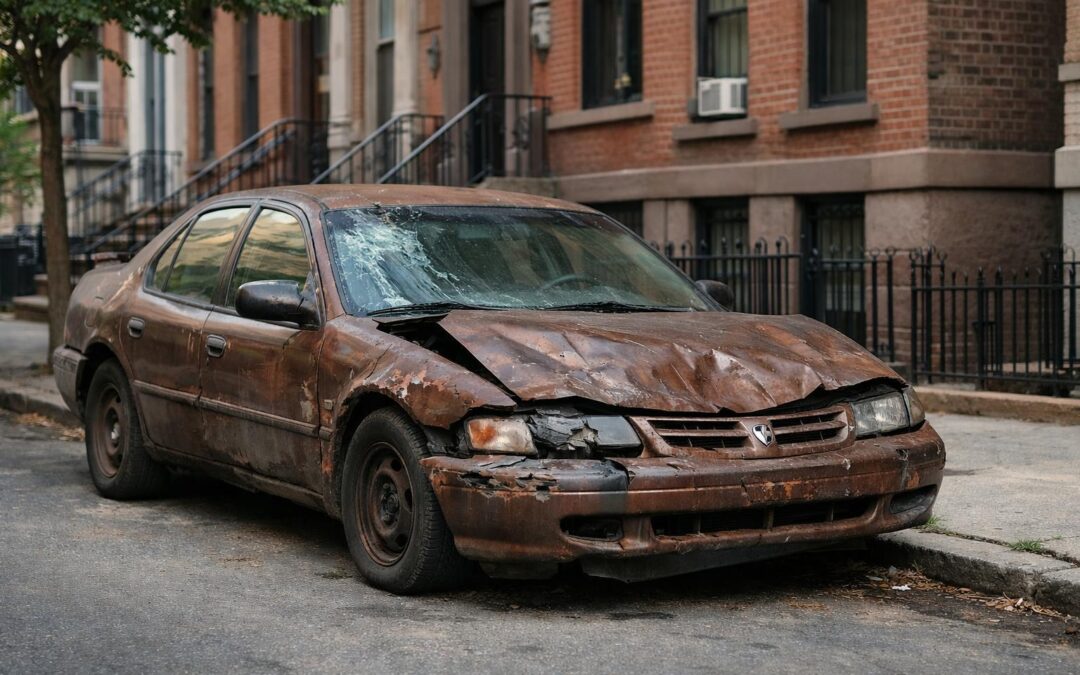
Damaged Car Removal: How to Get Rid of Your Wreck Safely and Profitably
Table of Contents
- What Is Damaged Car Removal?
- Types of Damage That Qualify for Removal Services
- Why You Should Not Leave a Damaged Car Sitting
- How Damaged Car Removal Services Work
- Documents and Information You Need
- How to Maximize Your Payout for a Damaged Car
- Environmental Benefits of Professional Car Removal
- Common Mistakes to Avoid
- Frequently Asked Questions About Damaged Car Removal
- Conclusion: Turning Your Damaged Car into Cash
What Is Damaged Car Removal?
Damaged car removal is the process of having an unwanted, wrecked, or non-running vehicle collected and taken away by a professional service. These services often pay you for the car based on its condition, parts value, and scrap metal weight.
Instead of leaving a broken vehicle in your driveway or paying storage fees, you can have it removed quickly, usually with free towing. Many companies specialize in buying:
- Accident-damaged cars
- Hail-damaged vehicles
- Flood-affected cars
- Non-running or mechanically failed vehicles
- Cars with cosmetic damage that are too costly to repair
The main goal is to give vehicle owners a convenient way to dispose of a car that is no longer safe, legal, or economical to drive.
Types of Damage That Qualify for Removal Services
Almost any form of significant vehicle damage can make a car a candidate for damaged car removal. Professional buyers look at the overall condition and potential resale or recycling value.
Structural and Accident Damage
Major collision damage often makes a car a write-off. Examples include:
- Bent or twisted chassis
- Severe frame or pillar damage
- Airbag deployment in older, low-value vehicles
- Crushed front or rear ends
Mechanical Failure
Some cars are not visibly damaged but are too expensive to repair. These might have:
- Blown engines
- Failed transmissions
- Chronic electrical faults
- Repeated overheating issues
Weather and Environmental Damage
Mother Nature can also total a car, including:
- Hail-damaged panels and glass
- Flood or water damage
- Severe rust and corrosion
- Storm-fallen tree damage
Cosmetic and Miscellaneous Issues
Some vehicles are technically drivable but no longer worth repairing:
- Peeling paint and extensive dents
- Interior fire or smoke damage
- Missing or vandalized parts
- Abandoned project cars
Why You Should Not Leave a Damaged Car Sitting
Keeping a damaged or non-running car on your property may seem harmless, but it can cause multiple problems over time.
Legal and Compliance Issues
- Some areas restrict storing unregistered or inoperable vehicles outdoors.
- You may still be liable if the vehicle leaks fluids or becomes a hazard.
- Abandoned-looking cars can attract complaints from neighbors.
Environmental and Safety Concerns
- Leaking oil, coolant, and fuel contaminate soil and water.
- Broken glass and sharp metal edges create safety risks.
- Damaged cars can attract pests or become hiding spots.
Financial Downsides
- The value of a damaged car usually decreases over time.
- Exposure to weather speeds up rust and corrosion.
- Storage fees or parking fines can add up if left in public spaces.
Arranging professional damaged car removal helps you reclaim space, avoid risk, and often receive instant payment.
How Damaged Car Removal Services Work
Most damaged car removal processes follow a simple, step-by-step routine that prioritizes convenience.
1. Getting a Quote
You contact a removal company and provide basic details about the vehicle:
- Make, model, and year
- Location of the car
- Damage type and severity
- Whether it starts or is completely non-running
The company then offers an estimated price based on your description.
2. Booking the Pickup
If you accept the offer, you schedule a convenient pickup time. Many companies offer:
- Same-day or next-day collection
- Flexible time slots
- Free towing for non-running cars
3. On-Site Inspection and Payment
When the tow truck arrives, the driver will:
- Confirm the vehicle details
- Check the damage matches the description
- Verify your identity and ownership
Once everything is confirmed, they pay you on the spot, usually in cash or via bank transfer, and load the car.
4. Transfer and Disposal
After removal, the car goes to a yard where it may be:
- Parted out for usable components
- Repaired and resold if viable
- Recycled for scrap metal and materials
Documents and Information You Need
To make damaged car removal smooth and legal, certain documents are usually required. Requirements vary by location, but the following are commonly requested.
- Proof of ownership: Usually the vehicle title or registration in your name.
- Photo ID: A driver’s licence or other government-issued identification.
- Vehicle details: VIN, license plate number, and odometer reading if accessible.
- Release or transfer paperwork: Forms that transfer ownership to the buyer or recycler.
Some services also help with:
- Notifying authorities of the change in ownership
- Assisting in canceling registration or plates
- Providing receipts for your records
How to Maximize Your Payout for a Damaged Car
Even if your car is badly damaged, you can still influence how much you receive.
1. Compare Multiple Offers
Do not accept the first quote without comparison. Different companies may:
- Specialize in certain makes or models
- Pay more for specific parts or metals
- Offer promotions or bonuses
2. Be Accurate and Honest
Provide a truthful description of the damage to avoid last-minute price reductions. Mention:
- Any missing major parts
- Extra accessories or modifications
- Recent repairs or replaced components
3. Remove Personal Belongings
Clean out the vehicle before pickup. Look in:
- Glove box and center console
- Under seats and floor mats
- Boot or trunk and spare wheel area
While this does not raise the offer, it prevents loss of valuables and speeds up the process.
4. Understand What Affects Price
Buyers look at factors such as:
- Make, model, and year
- Current scrap metal prices
- Demand for parts from that vehicle
- Extent of damage and missing components
| Factor | Impact on Price |
|---|---|
| Vehicle age | Newer damaged cars usually attract higher offers |
| Brand and model demand | Popular models with high parts demand are more valuable |
| Extent of damage | Light to moderate damage can pay more than total structural loss |
| Completeness of the car | Vehicles with major missing parts often receive lower offers |
| Scrap metal market | Higher metal prices can boost scrap-value payouts |
Environmental Benefits of Professional Car Removal
Professional damaged car removal is not just convenient; it is also environmentally responsible.
Reduced Pollution
- Fluids like oil, coolant, and fuel are drained and disposed of correctly.
- Batteries and electronic components are recycled instead of dumped.
Recycling and Reuse
- Steel, aluminum, and other metals are recycled and reintroduced into manufacturing.
- Usable parts extend the life of other vehicles and reduce demand for new manufacturing.
Less Illegal Dumping
When car owners have an easy, paid option to remove a damaged car, there is less incentive for:
- Abandoning vehicles in public spaces
- Leaving wrecks on vacant land
- Improper backyard stripping or burning
Using a licensed damaged car removal service supports a circular economy where old vehicles are turned into resources instead of waste.
Common Mistakes to Avoid
Being aware of common pitfalls can save you time, money, and stress.
- Not checking identification: Always deal with a legitimate business that can provide proper details and receipts.
- Leaving personal data in the car: Remove documents, mail, and devices that contain sensitive information.
- Forgetting to cancel insurance: Once your car is removed and sold, cancel your policy to avoid unnecessary payments.
- Failing to notify authorities: Follow local rules for transferring ownership or deregistering the vehicle.
- Removing critical parts without disclosure: If you keep major components, mention it upfront to avoid disputes.
Frequently Asked Questions About Damaged Car Removal
Do I need a title or registration to remove my damaged car?
In most locations, you need proof of ownership, such as a title or registration in your name. Some services may help with alternatives if you have lost documents, but rules vary by region.
Can I sell a damaged car that does not run?
Yes. Many damaged car removal services specialize in non-running vehicles and provide free towing. The offer is based on the car’s parts and scrap value rather than its ability to drive.
How long does the damaged car removal process take?
Once you accept a quote, pickup can often be arranged the same day or within 24 to 48 hours. The actual on-site process, including inspection and payment, usually takes under 30 minutes.
Will I get more money if I repair the car first?
Not always. For older or heavily damaged cars, repair costs may exceed the increase in value. It is often better to sell the vehicle as-is and avoid risky repair expenses.
What happens to my damaged car after it is removed?
Depending on its condition, the car may be repaired and resold, dismantled for parts, or fully recycled for scrap metal. Professional operators follow environmental and regulatory guidelines.
Is it safe to let strangers pick up my car from home?
When you use a reputable damaged car removal service, drivers are typically licensed and insured. It is still wise to verify company details, schedule pickup during daylight, and keep receipts for your records.
Can I remove my license plates before pickup?
In many regions, you are required or encouraged to remove your plates before the vehicle is towed. You may need them to cancel registration or for future use, depending on local laws.
Will I be charged for towing?
Most damaged car removal services offer free towing as part of the deal. The cost of towing is usually factored into the quote they give you, so there is no separate fee.
Can I sell a damaged car that still has finance owing?
Selling a vehicle with outstanding finance is more complex. You usually need to settle the loan or obtain permission from the lender before transferring ownership. Always clarify this before arranging removal.
Do I have to be present when the car is collected?
In many cases, the legal owner or an authorized representative must be present to sign paperwork and show ID. Check with the removal service about their specific requirements.
Conclusion: Turning Your Damaged Car into Cash
Damaged car removal provides a fast, legal, and environmentally responsible way to get rid of a wrecked or non-running vehicle while putting money back in your pocket. By understanding how these services work, preparing the right documents, and comparing offers, you can transform a problem car into a simple, profitable transaction.
Instead of letting a damaged car rust away, take advantage of professional removal services to clear your space, reduce environmental harm, and move on with cash in hand.