
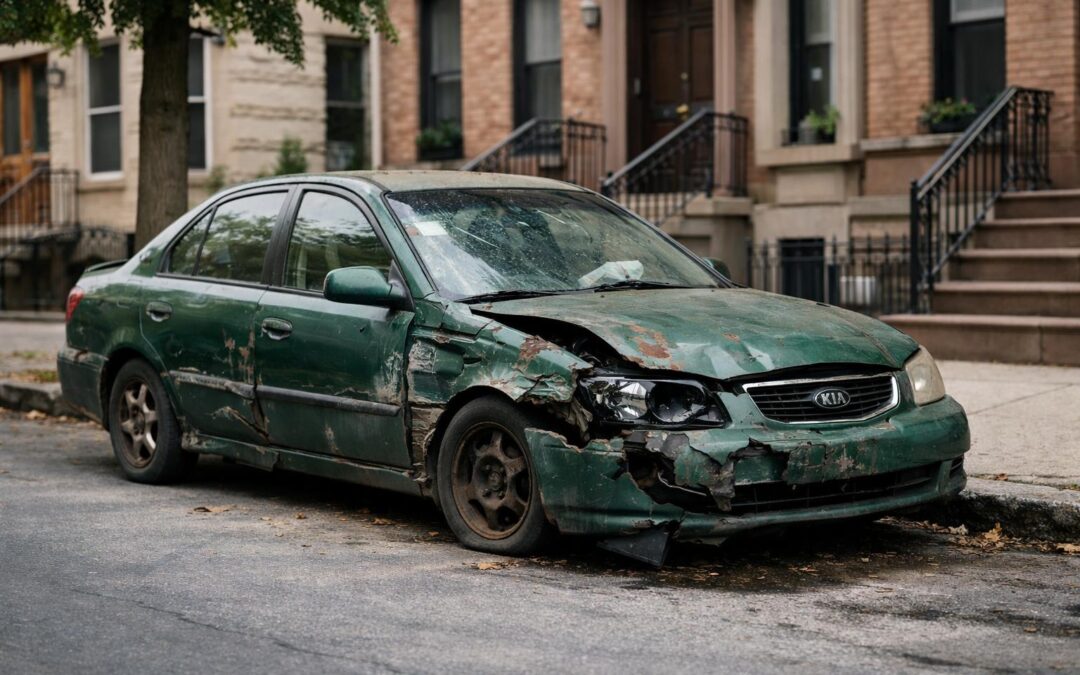
Wrecked Car Removal: How to Turn Your Damaged Vehicle into Cash
Table of Contents
- What Is Wrecked Car Removal?
- When Should You Remove a Wrecked Car?
- How Wrecked Car Removal Works Step by Step
- Documents and Information You Need
- How Much Is a Wrecked Car Worth?
- Benefits of Professional Wrecked Car Removal
- Common Mistakes to Avoid
- Environmental Impact of Removing a Wrecked Car
- Frequently Asked Questions (FAQ)
- Conclusion: The Smart Way to Deal with a Wrecked Car
What Is Wrecked Car Removal?
Wrecked car removal is the process of collecting and disposing of damaged, totaled, or non-running vehicles. Instead of letting a wrecked car sit in your driveway, yard, or garage, you can have professionals pick it up, recycle it, and often pay you cash on the spot.
These services are designed to help owners get rid of vehicles that are too expensive to repair, unsafe to drive, or simply taking up valuable space. Most wrecked car removal companies will handle the towing, paperwork guidance, and recycling process for you.
In many cases, wrecked car removal is faster and more profitable than trying to repair, part out, or privately sell a heavily damaged vehicle.
When Should You Remove a Wrecked Car?
Not every damaged car needs to be removed immediately, but there are clear signs that it is time to contact a wrecked car removal service. Knowing when to let go can save you money, stress, and space.
- The repair costs exceed the car’s value: If the estimate from the mechanic costs more than what the car is worth, it is commonly called a total loss.
- Severe structural or frame damage: Bent frames, twisted chassis, or compromised safety structures often mean the vehicle will never be truly safe again.
- Flood, fire, or hail damage: These types of damage can cause hidden issues, mold, corrosion, and electrical failure.
- The car will not start or move: If towing, diagnosing, and repairing will cost more than the vehicle’s value, removal is usually the better choice.
- Your insurance company has declared it totaled: Once a car is labeled a total loss, resale and repair options become limited.
- Abandoned or unwanted project cars: Vehicles that have sat for months or years usually need complete overhauls and are rarely worth restoring.
If your vehicle falls into one or more of these categories, wrecked car removal is likely the most practical and economical option.
How Wrecked Car Removal Works Step by Step
The wrecked car removal process is straightforward, but understanding each step helps you avoid surprises and prepare properly.
-
Gather basic information about your car:
Before you call, note your car’s make, model, year, mileage, and the extent of the damage. This information helps determine how much your wrecked car is worth.
-
Contact a wrecked car removal service:
Call or fill out a form with a removal company, salvage yard, or cash-for-cars buyer. They will usually ask a few questions and then give you an offer.
-
Receive and review a quote:
The company will estimate the value of your vehicle based on its condition and market factors. You can accept, negotiate, or decline the offer.
-
Schedule a pickup time:
Once you accept an offer, you set a date and time for the tow truck to arrive. Many services offer same-day or next-day pickup for wrecked cars.
-
Prepare the vehicle:
Remove your personal belongings, take off license plates if required in your area, and have your documents ready. If possible, park the car in an accessible location.
-
Complete the paperwork:
At pickup, you typically sign over the title or provide a bill of sale. The driver may assist with any remaining forms needed for transfer of ownership.
-
Get paid and the car is towed:
You receive payment (often in cash or check) and the tow truck removes your wrecked car. After that, the company handles recycling, dismantling, or reselling.
The entire process can often be completed within a day or two, making wrecked car removal one of the quickest ways to dispose of a damaged vehicle.
Documents and Information You Need
Having the right documents ready speeds up wrecked car removal and helps you avoid legal or administrative issues later. Requirements can vary by region, but the following items are commonly needed.
- Vehicle title: The title proves ownership and is usually required to transfer the vehicle. If you do not have the title, ask the buyer what alternatives are accepted in your area.
- Photo identification: A valid driver’s license or other government ID confirms that you are the legal owner or authorized seller.
- Vehicle registration: This can help verify details and ownership, especially if the car is still registered in your name.
- Loan payoff or lien release (if applicable): If there is an active loan or lien, you may need documentation that it has been satisfied or permission from the lender.
- Keys and remotes: While not always mandatory, providing keys makes the process easier and can slightly impact your offer.
- Basic vehicle details: Have your VIN, mileage, and notes on damage handy for accurate quoting.
Before pickup, also contact your insurance provider and local motor vehicle department to understand any extra steps required to cancel insurance and update records.
How Much Is a Wrecked Car Worth?
The value of a wrecked car depends on several factors, including its make, model, year, condition, and current scrap metal prices. While you will not receive full market value, you can still earn a fair amount, especially if your car has usable parts.
Below is a sample comparison of how different factors influence wrecked car removal offers. These are illustrative ranges and not guaranteed prices.
| Vehicle Condition | Typical Age | Primary Value Source | Possible Payout Range |
|---|---|---|---|
| Lightly damaged, runs and drives | Under 10 years | Resale and major components | Higher, often above basic scrap value |
| Severely wrecked but mostly complete | 10–15 years | Usable parts and metal | Moderate, based on parts demand |
| Non-running, missing parts | Over 15 years | Scrap metal weight | Lower, tied closely to scrap prices |
| Luxury or specialty wrecked vehicles | Varies | High-value components | Can be significantly higher than scrap |
Several key elements affect how much money you receive for wrecked car removal:
- Weight and metal content: Heavier vehicles often bring in more because scrap yards pay by the ton.
- Brand and model popularity: Common vehicles with high parts demand (engines, transmissions, doors) can yield higher offers.
- Damage type: Cars with front-end or rear-end damage may still have valuable components elsewhere.
- Location: Local demand, towing distance, and regional scrap rates all influence your quote.
To get the best offer, provide accurate information, compare quotes from multiple wrecked car removal services, and be honest about the car’s condition.
Benefits of Professional Wrecked Car Removal
Using a professional wrecked car removal service offers more than just a quick payout. It can solve several practical, financial, and environmental problems at the same time.
-
Fast and convenient:
You do not need to advertise, show the car to strangers, or arrange private towing. Most services handle everything in a single visit.
-
Get paid for a car you cannot use:
Even a severely damaged car still has value in its metal, parts, and components. Removal services convert that into instant cash.
-
Free or low-cost towing:
Many companies offer free pickup, especially if your car has enough scrap or parts value to cover the tow.
-
Space saving:
Removing a wrecked car frees up your driveway, garage, or yard, improving the appearance and usability of your property.
-
Reduced legal and safety risk:
Abandoned or inoperable vehicles can attract fines, complaints, or hazards. Wrecked car removal eliminates those risks.
-
Environmentally responsible:
With professional recycling, fluids are drained properly, metal is reused, and hazardous materials are disposed of safely.
For many owners, the combination of cash, convenience, and environmental benefits makes professional wrecked car removal the most practical choice.
Common Mistakes to Avoid
Even though wrecked car removal is simple, a few common mistakes can reduce your payout or create unnecessary headaches. Being aware of them helps you get the best result.
-
Leaving personal items in the car:
Check under seats, in the trunk, visor, and glove compartment. Once the vehicle is gone, retrieving items can be difficult or impossible.
-
Not cancelling insurance or registration:
After your wrecked car is removed, contact your insurer and motor vehicle department to avoid extra charges or confusion.
-
Accepting the first offer without comparison:
Different buyers may value your vehicle differently. Getting multiple quotes can increase your final payout.
-
Providing inaccurate information:
Exaggerating the condition of your car can lead to reduced offers or cancellations at pickup. Be truthful during the quote process.
-
Ignoring local regulations:
Some areas have specific rules about titles, plates, and reporting the sale. Ask the removal company what is required in your region.
-
Not confirming the final payment method:
Clarify whether you will be paid in cash, check, or another method so you know exactly what to expect at pickup.
Avoiding these pitfalls makes your wrecked car removal smoother, safer, and more profitable.
Environmental Impact of Removing a Wrecked Car
Wrecked car removal is not just about convenience and cash; it also has a significant environmental impact. Properly recycling a vehicle conserves resources and prevents pollution.
-
Recycling metals and materials:
Cars contain steel, aluminum, copper, and other metals that can be recovered and reused. Recycling reduces the need for mining and lowers energy consumption.
-
Safe disposal of fluids:
Motor oil, coolant, brake fluid, and transmission fluid can pollute soil and water if a wrecked car is left sitting. Removal services drain and handle these liquids safely.
-
Managing hazardous components:
Batteries, airbags, and certain electronic components contain substances that must be processed carefully. Professional recyclers follow strict guidelines.
-
Reducing clutter and blight:
Abandoned wrecked vehicles can leak toxins, attract pests, and lower neighborhood aesthetics. Removal helps maintain cleaner, safer communities.
-
Lowering carbon footprint:
Recycling vehicle materials uses less energy than producing new materials from scratch, which indirectly reduces greenhouse gas emissions.
Choosing responsible wrecked car removal ensures that your damaged vehicle is handled in a way that benefits both you and the environment.
Frequently Asked Questions (FAQ)
1. What exactly qualifies as a wrecked car?
A wrecked car is typically a vehicle that has sustained significant damage from an accident, natural disaster, mechanical failure, or neglect. It may still run or be completely inoperable, but repairs are usually impractical or too expensive compared to the car’s value.
2. Can I remove a wrecked car without a title?
In some regions, wrecked car removal is possible without a title, but you may need alternative documents such as registration, a bill of sale, or proof of ownership. Regulations vary, so it is important to ask the removal company and check local laws before scheduling pickup.
3. Do I have to pay for towing when removing a wrecked car?
Many wrecked car removal services offer free towing if your vehicle has enough value in parts or scrap. In some cases, especially with very old or incomplete cars, a small towing fee may be deducted from your payout or charged separately. Always confirm towing costs in advance.
4. How long does wrecked car removal usually take?
Once you accept an offer, pickup can often be scheduled for the same day or within 24 to 48 hours. The actual process at your location usually takes less than an hour, including paperwork, payment, and towing.
5. Is it better to sell my wrecked car privately instead?
Selling privately may bring in more money if the car is only lightly damaged and still drivable. However, for heavily damaged or non-running vehicles, finding buyers can be difficult and time-consuming. Wrecked car removal offers speed, convenience, and guaranteed pickup, which many owners prefer.
6. What should I remove from my wrecked car before pickup?
Take out all personal belongings, such as paperwork, clothing, electronics, and valuables. Check the trunk, glove box, console, and hidden compartments. Depending on local rules, you may also need to remove license plates. Ask the removal service what they recommend in your area.
7. Can I still remove a wrecked car if it is missing parts?
Yes, most wrecked car removal companies will still take vehicles that are missing parts such as wheels, batteries, or engine components. However, the offer may be lower because there are fewer usable parts and less scrap weight. Accurately describe any missing items during the quote process.
8. Will removing a wrecked car affect my insurance?
After your wrecked car is removed and ownership is transferred, you should contact your insurance provider to cancel or adjust your policy. If the vehicle was involved in a claim, ensure that everything is fully settled before removal. Proper documentation protects you from future issues.
9. What happens to my wrecked car after it is removed?
After removal, the vehicle is typically transported to a salvage yard or recycling facility. Reusable parts are removed, hazardous fluids and components are handled safely, and remaining metal is crushed and recycled. This process recovers value while minimizing environmental impact.
10. Can I get a quote for wrecked car removal online or by phone?
Most companies provide quick quotes online or over the phone. You will usually be asked for the vehicle’s year, make, model, mileage, condition, and location. Providing accurate information helps ensure that the final offer matches the quote as closely as possible.
Conclusion: The Smart Way to Deal with a Wrecked Car
Holding onto a wrecked car can cost you space, money, and peace of mind. Wrecked car removal offers a simple solution: you get paid, your property is cleared, and your vehicle is recycled responsibly. By understanding how the process works, preparing your documents, and avoiding common mistakes, you can turn a damaged, unwanted car into cash with minimal effort.
Whether your vehicle is totaled from an accident, worn out from age, or abandoned as a project you no longer want to finish, professional wrecked car removal is often the most practical and efficient option. With the right approach, you can move on from your wrecked car quickly, safely, and profitably.