
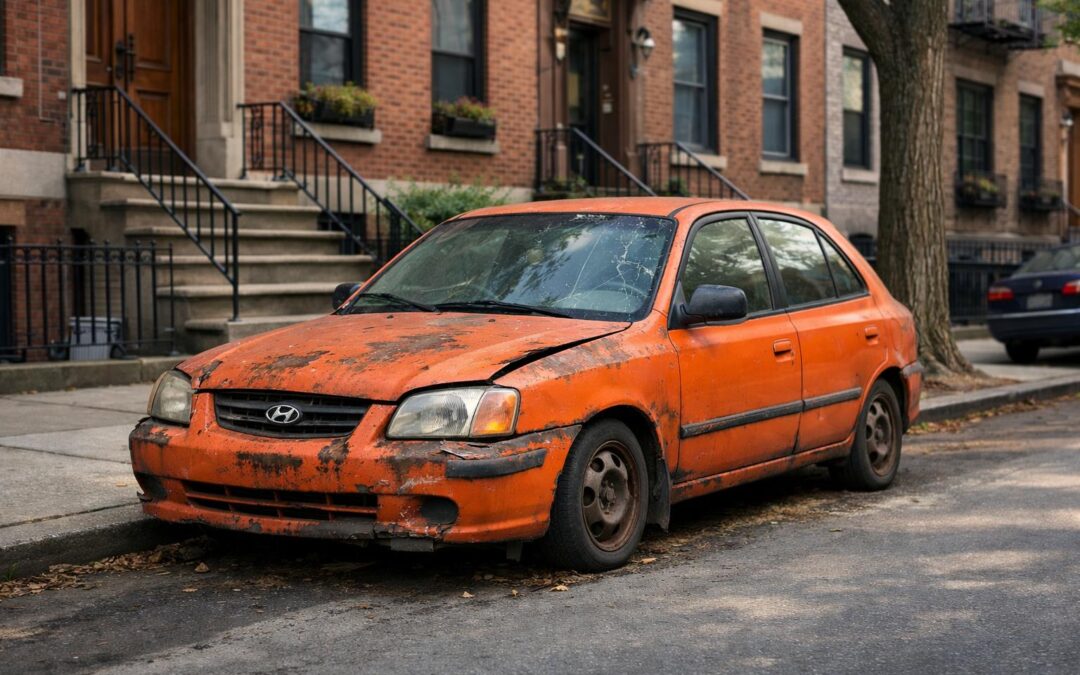
Non Running Car Removal: Turn Your Broken Vehicle Into Cash
Table of Contents
- What Is Non Running Car Removal?
- Common Reasons Cars Stop Running
- Is It Worth Repairing or Should You Remove It?
- How Non Running Car Removal Services Work
- Documents and Preparation Before Pickup
- How Much Is a Non Running Car Worth?
- Benefits of Professional Non Running Car Removal
- Environmental Impact and Recycling
- Tips to Get the Best Deal for a Non Running Car
- Frequently Asked Questions About Non Running Car Removal
- Conclusion
What Is Non Running Car Removal?
Non running car removal is the process of collecting, towing, and disposing of vehicles that no longer operate or are unsafe to drive. Instead of letting a broken-down car sit in your driveway or garage, removal services will come to you, load the vehicle, and often pay you for its scrap or parts value.
Many car owners assume that if a car does not start, it has no value. In reality, scrap metal, catalytic converters, engines, transmissions, and reusable parts can still be worth money. Non running car removal companies specialize in extracting that value while handling all the heavy lifting and logistics.
Common Reasons Cars Stop Running
Cars can become non running for many reasons. Understanding why yours stopped working can help you explain the issue to a buyer and potentially improve your offer.
- Engine failure: Blown head gaskets, seized engines, or cracked blocks can make repairs more expensive than the car is worth.
- Transmission problems: A failed transmission often costs thousands to repair or replace.
- Electrical issues: Severe wiring problems, ECU failures, or chronic battery drains may render a vehicle unreliable.
- Accident damage: After a major collision, the car may be structurally unsafe or declared a total loss.
- Rust and corrosion: In some climates, frames and suspension components can rust beyond safe repair.
- Neglect and age: Lack of maintenance, fluid changes, and inspections gradually take a toll.
Regardless of the cause, non running car removal allows you to move on from a vehicle that no longer serves you, without paying for repairs or ongoing storage.
Is It Worth Repairing or Should You Remove It?
Before arranging non running car removal, compare the cost of repairs to the current and future value of your vehicle. A simple cost-benefit analysis can make the decision clearer.
- Estimate repair costs: Get at least one written quote from a trusted mechanic for the main repair and any related work.
- Check market value: Look up the approximate value of your car if it were running and in good condition.
- Consider upcoming expenses: Factor in tires, brakes, registration, and insurance that may be due soon.
- Think about reliability: An old car with repeated issues may keep draining your wallet even after one big repair.
If the repair cost approaches or exceeds the car’s market value, non running car removal is usually the smarter financial choice. Even if you get only the scrap value, you avoid pouring more money into a vehicle near the end of its life.
How Non Running Car Removal Services Work
Non running car removal is typically quick and convenient. Most services follow a similar process from your first inquiry to final pickup.
- Initial contact: You call or submit a quote request with details about your vehicle, including make, model, year, and condition.
- Offer and negotiation: The company evaluates your information, checks current scrap and parts prices, and gives you a cash offer.
- Scheduling pickup: If you accept the offer, you schedule a pickup time that works for you, often within 24 to 48 hours.
- Towing and inspection: A tow truck arrives, verifies the car’s details, and may do a quick visual inspection.
- Payment and paperwork: You hand over the title and keys, and the driver gives you cash or another agreed form of payment.
Most reputable non running car removal services include towing at no extra cost and handle the majority of the paperwork, making the process straightforward and stress-free.
Documents and Preparation Before Pickup
Preparing your non running car for removal helps avoid delays and ensures a smooth transaction. A little organization ahead of time can also protect your personal information.
- Vehicle title: In most areas, you need a clear title in your name to sell the vehicle. Verify that the information is accurate and legible.
- Photo ID: Have a valid driver’s license or government-issued ID ready.
- Registration (if available): Not always required, but helpful for confirming ownership and details.
- Remove personal items: Check the trunk, glove box, under seats, and door pockets for belongings.
- Take off license plates: In many regions you keep or return the plates to the local authority.
- Cancel insurance: After the removal, contact your insurer to stop coverage and potentially get a refund.
Some buyers can work with a lost title or special circumstances, but you should always clarify this before scheduling non running car removal.
How Much Is a Non Running Car Worth?
The value of a non running vehicle depends on several key factors. Understanding these helps you set realistic expectations and negotiate more confidently.
| Factor | Impact on Non Running Car Value |
|---|---|
| Make and model | Popular brands and models with high demand for parts usually fetch higher offers. |
| Year | Newer vehicles often contain more valuable components and updated technology. |
| Overall condition | Less body damage and intact interiors increase the resale or parts value. |
| Missing parts | Removed rims, catalytic converters, or batteries can reduce the offer. |
| Market scrap prices | Fluctuating metal and materials prices directly influence offers for non running cars. |
| Location | Distance from the buyer and local demand can raise or lower your payout. |
While every situation is different, many non running car removal offers are based on a combination of weight for scrap metal and potential profit from reselling parts. Heavier vehicles and those with in-demand components are often worth more, even if they do not start.
Benefits of Professional Non Running Car Removal
Working with a professional non running car removal service provides advantages that most private sales cannot match, especially when the car is not drivable.
- Free towing: You avoid paying for a tow truck or arranging risky transport of a broken vehicle.
- Fast payment: Many companies pay on the spot at pickup, giving you immediate cash.
- No repair costs: There is no need to invest in diagnostics or temporary fixes to prepare the car for sale.
- Convenience: The buyer comes directly to your location, saving time and effort.
- Reduced liability: Once the car is transferred, you are no longer responsible for storage or potential hazards.
- Space recovery: Removing a non running car frees up valuable driveway, garage, or yard space.
For many owners, these benefits outweigh the small chance of getting slightly more money by attempting a difficult private sale of a non running vehicle.
Environmental Impact and Recycling
Non running car removal is not just about convenience and cash; it also plays a crucial role in responsible recycling and waste management.
- Metal recovery: Steel, aluminum, and other metals are extracted and reused, reducing the need for new mining.
- Safe fluid disposal: Oils, coolant, brake fluid, and fuel are drained and processed according to environmental regulations.
- Parts reuse: Usable engines, transmissions, and body panels are resold, extending their functional life.
- Battery and tire recycling: Hazardous materials and rubber are processed in specialized facilities.
Choosing a reputable non running car removal service helps ensure your old vehicle does not end up leaking fluids or rusting away in a landfill.
By removing a non running car through a professional service, you contribute to a more sustainable automotive ecosystem and reduce your personal environmental footprint.
Tips to Get the Best Deal for a Non Running Car
A little strategy can make a noticeable difference in the offer you receive for your non running vehicle. Use these tips to maximize your return.
- Get multiple quotes: Contact several non running car removal services and compare their offers.
- Be honest about condition: Accurate descriptions prevent surprises at pickup and reduce the risk of last-minute price changes.
- Mention valuable features: Let buyers know about extras like alloy wheels, new tires, or upgraded sound systems.
- Have paperwork ready: A clear title and proper documents make your car easier to purchase, which can improve offers.
- Remove only low-value items: Personal accessories can be taken out, but removing crucial parts may lower your quote.
- Consider timing: Scrap prices and demand for parts can fluctuate, so ask whether current market conditions are favorable.
While you should aim for a fair price, remember that the convenience, towing, and time saved are also part of the value you receive from non running car removal.
Frequently Asked Questions About Non Running Car Removal
Do I need the title to remove a non running car?
In most locations, a title in your name is required to sell a non running car to a removal service. Some companies can work with lost titles or different paperwork, but this depends on local regulations. Always ask about title requirements before scheduling pickup.
Will I have to pay for towing?
Most professional non running car removal companies offer free towing as part of the service. The cost is usually built into the cash offer they provide, so you do not pay an additional fee for the tow truck.
Can I sell a non running car that has been parked for years?
Yes. Even if your car has been sitting for a long time, it often still has scrap or parts value. The buyer may adjust the offer based on rust, missing pieces, or severe deterioration, but long-term non running vehicles can still be removed and recycled.
What if my car is missing parts?
A car with missing parts can still be removed; however, the offer is likely to be lower. Critical components like catalytic converters, batteries, and wheels strongly influence value. Be upfront about what is missing to avoid any confusion or renegotiation at pickup.
How long does non running car removal take?
Once you accept an offer, many services can schedule pickup within one to two days, sometimes even the same day. The actual pickup process usually takes less than 30 minutes, including inspection, paperwork, and loading.
Can I remove a non running car without being present?
Some companies allow removal without the owner present if all documents are signed in advance and keys are accessible. Policies vary, so discuss this with the buyer before arranging a no-contact pickup.
Will the buyer handle the paperwork with the authorities?
Most reputable non running car removal buyers provide a bill of sale and guide you through signing the title correctly. They typically handle reporting the purchase on their end, but you may still need to notify your local registration authority and cancel insurance.
Can I still remove a non running car that has a loan on it?
If there is an outstanding loan and the lien holder is listed on the title, you usually need to pay off the loan or obtain a lien release before selling the vehicle. Some buyers may help coordinate this, but it is important to clear any liens before finalizing non running car removal.
Is it better to donate or remove my non running car for cash?
This depends on your priorities. Donation can provide a potential tax deduction and support a cause you care about, while removal for cash offers immediate payment and simplicity. You can compare estimated donation values with cash offers to decide what works best for you.
Conclusion
Non running car removal offers a practical solution when your vehicle is no longer safe or economical to repair. By working with a professional service, you can turn a broken, unused car into cash, reclaim valuable space, and ensure your vehicle is handled responsibly and recycled properly.
With the right preparation, a clear understanding of your car’s condition, and a few quotes from reputable buyers, non running car removal can be fast, convenient, and surprisingly rewarding.