New York State Junk Cars: Complete Guide to Selling Your Clunker for Cash
Table of Contents
- What Counts as a Junk Car in New York State?
- New York State Junk Cars Laws and Regulations
- How to Prepare Your Junk Car for Sale
- Title, Registration, and Paperwork Requirements
- Options for Selling Junk Cars in New York State
- How Junk Car Prices Are Calculated
- Environmental Rules and Vehicle Recycling
- Avoiding Scams and Common Mistakes
- Frequently Asked Questions About New York State Junk Cars
- Conclusion: Turning Your Junk Car into Cash the Smart Way
What Counts as a Junk Car in New York State?
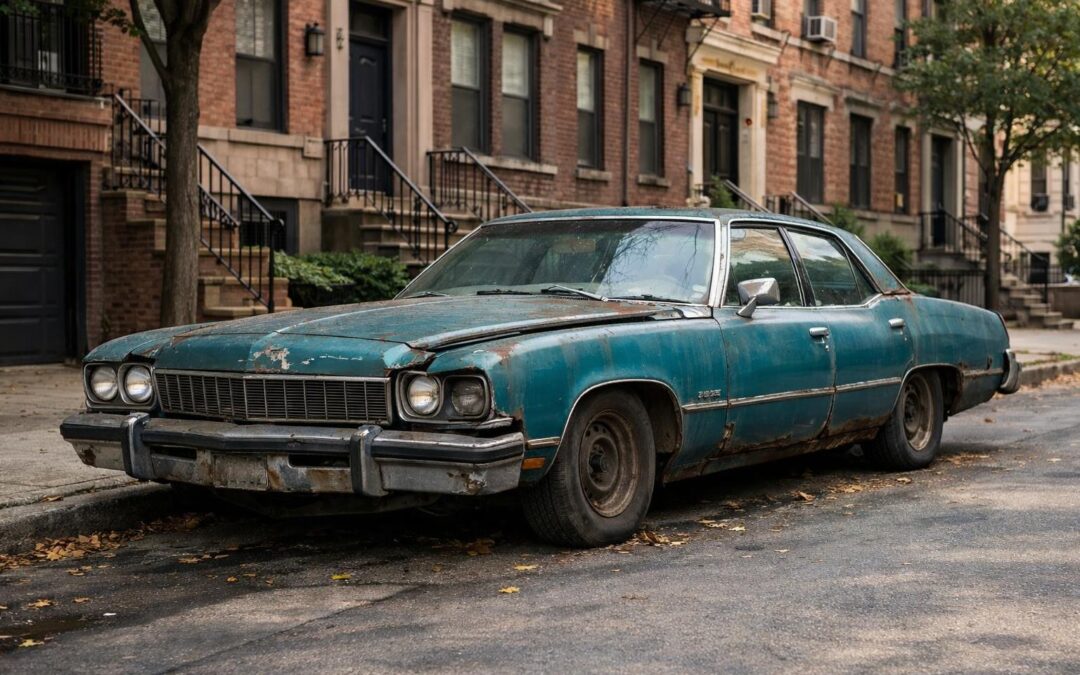
In New York State, a junk car is generally a vehicle that is no longer safe or practical to drive and is kept mainly for parts, scrap metal, or recycling. While the term is informal, it often overlaps with what the state and insurance companies label as salvaged or total-loss vehicles.
Common characteristics of New York State junk cars include:
- Severe collision damage or flood damage
- High repair cost that exceeds the car’s value
- Non-running or unreliable mechanical condition
- Extensive rust or structural damage
- Missing key components like engine, transmission, or catalytic converter
Even if the vehicle still runs, it may be considered junk if it is extremely old, high-mileage, and no longer worth maintaining. Many buyers in New York will purchase junk cars strictly for scrap metal value or parts resale.
New York State Junk Cars Laws and Regulations
New York State has specific rules regarding junk cars, particularly around titles, dismantling, towing, storage, and environmental protection. Understanding these regulations helps you avoid fines and legal issues.
Junk and Salvage Titles
When a vehicle is declared a total loss by an insurance company or sold for parts and scrap, it often becomes a salvage or junk vehicle in the eyes of New York State. Once a vehicle is branded as junk, it is generally not intended for road use again.
Key points:
- New York State requires proper transfer of title or ownership documents when a junk car is sold or dismantled.
- Licensed dismantlers and scrap processors must follow state reporting requirements.
- Abandoned vehicles on private or public property may be subject to removal and disposal under local ordinances.
Local Ordinances and Zoning
In addition to state law, many New York municipalities have their own rules about storing inoperable or junk vehicles on private property. These may address:
- How many inoperable vehicles you can keep on a residential lot
- Whether junk vehicles must be stored in a garage or behind a fence
- Time limits for keeping unregistered vehicles outdoors
Violations can lead to tickets or forced removal of the vehicle, so selling your junk car promptly can help you avoid local code issues.
How to Prepare Your Junk Car for Sale
Even though your vehicle may be damaged or non-running, you should still prepare it properly before selling. This protects your privacy, maximizes value, and ensures a smooth transaction.
Step 1: Remove Personal Belongings
Thoroughly inspect the interior, trunk, glove box, and under the seats. Look for:
- Insurance cards and registration documents
- Garage door openers and house keys
- Electronics, chargers, and personal paperwork
- Tools, emergency kits, and spare parts
Step 2: Gather Keys and Remotes
Many buyers in New York State prefer to have at least one working key. If you have multiple keys or a remote, collect them all. This can make the sale and towing process easier.
Step 3: Remove License Plates and Cancel Insurance
Before the car is towed away:
- Remove your license plates.
- Return plates to the New York State DMV or follow current DMV plate return rules.
- Contact your insurance company to cancel coverage once the vehicle is no longer in your possession.
Step 4: Identify Valuable Parts
Some junk cars contain parts that are worth more than the scrap value alone. These might include:
- Catalytic converter
- Aftermarket rims or upgraded tires
- High-demand parts for common models
If you are familiar with auto parts, you may choose to remove certain items to sell separately; however, some buyers offer higher prices for complete vehicles.
Title, Registration, and Paperwork Requirements
Having the correct paperwork is critical when selling a junk car in New York State. It affects what buyers can legally accept and how much they are willing to pay.
Selling a Junk Car With a Title
The easiest and cleanest way to sell a junk car in New York is with a valid New York State title in your name. The process typically involves:
- Filling out the assignment of ownership section on the back of the title
- Including the buyer’s name, address, and sale date
- Recording the odometer reading if applicable
- Signing and dating where required
Selling a Junk Car Without a Title
Many owners of older vehicles have lost or misplaced their titles. While selling a junk car without a title is more complicated, it is sometimes still possible depending on the buyer and circumstances.
Common scenarios:
- You have the registration and a bill of sale, but not the title.
- The vehicle is extremely old, and records are limited.
- You inherited an old car and paperwork is incomplete.
Some New York junk car buyers may purchase vehicles without titles, but may offer lower prices or require additional documentation and identity verification. If time allows, requesting a duplicate title from the DMV can increase your options and potential payout.
Bill of Sale and Receipts
Even when not strictly required, a bill of sale is a smart step. It should include:
- Seller’s full name and address
- Buyer’s full name and address
- Vehicle identification number (VIN)
- Year, make, and model
- Sale price and date
- Statement that the vehicle is being sold as-is, often for parts or scrap
Keep a copy for your records in case of future questions about ownership or towing tickets.
Options for Selling Junk Cars in New York State
New York residents have several ways to get rid of junk cars, each with pros and cons. The best choice depends on your priorities: maximum payout, speed, convenience, or supporting a cause.
1. Local Junkyards and Auto Dismantlers
Traditional junkyards and dismantlers buy junk cars for parts and scrap. Advantages include:
- Familiarity with New York State paperwork
- Experience handling non-running vehicles
- On-site evaluation of parts value
However, prices can vary widely, and some may charge for towing if you are far from their location.
2. Scrap Metal Recyclers
Scrap processors primarily pay based on the weight and current metal market. They may be:
- Ideal for heavily damaged, stripped, or burned vehicles
- Less focused on brand or model specifics
- Sensitive to daily scrap price fluctuations
3. Private Buyers and Hobbyists
Some people look for project cars or parts vehicles. Selling privately may:
- Increase potential payout for rare or classic vehicles
- Take more time and require more communication
- Involve arranging your own towing or delivery
4. Charitable Donations
Donating a junk car to a charity operating in New York State can offer:
- Free towing and pickup in many areas
- Potential tax deduction if you itemize
- Support for organizations you care about
The monetary value may be less than a cash sale, but some owners prefer the convenience and charitable impact.
How Junk Car Prices Are Calculated
Junk car buyers in New York State use a mix of factors when deciding how much to pay. While advertisements often state simple offers, the actual number is usually based on several key variables.
Major Factors Affecting Value
- Weight and Size: Heavier vehicles have more metal and usually more scrap value.
- Current Scrap Metal Prices: Steel, aluminum, and other metals fluctuate on the commodities market.
- Vehicle Condition: A complete, mostly intact car is often worth more than a heavily stripped shell.
- Year, Make, and Model: Popular models with interchangeable parts can be more valuable to dismantlers.
- Title Status: Having a clear title typically increases your payout.
- Location and Towing Distance: Rural or remote spots may reduce offers due to transport costs.
Sample Junk Car Value Comparison Table
| Vehicle Type | Condition | Title Available | Typical Value Range (Relative) |
|---|---|---|---|
| Compact Car (Old) | Non-running, complete | Yes | Low to Medium |
| Full-Size SUV | Non-running, complete | Yes | Medium to High |
| Pickup Truck | Running, high mileage | Yes | Medium to High |
| Stripped Shell | Missing major parts | No | Very Low |
| Older Luxury Sedan | Non-running, intact interior | Yes | Low to Medium |
This table is for general comparison only. Actual offers in New York State depend on individual buyers, local demand, and current market conditions.
Environmental Rules and Vehicle Recycling
New York State places strong emphasis on environmental protection, and junk cars are a significant part of that picture. Proper disposal keeps hazardous fluids and materials out of soil and waterways.
Fluids and Hazardous Materials
Junk vehicles contain substances that require special handling, including:
- Motor oil and transmission fluid
- Coolant and brake fluid
- Gasoline and diesel fuel
- Battery acid and lead
- Refrigerants from air conditioning systems
Licensed dismantlers and scrap yards in New York are expected to drain and dispose of these materials correctly, following state and federal guidelines.
Recycling Metals and Parts
Recycling junk cars supports New York’s environmental goals by:
- Reducing the need for new metal mining
- Lowering energy use in manufacturing
- Reusing functioning parts in other vehicles
- Shrinking the volume of waste going to landfills
When you sell a junk car to a reputable buyer in New York State, you are not just clearing space on your property; you are also contributing to a statewide effort to recycle valuable materials safely and efficiently.
Avoiding Scams and Common Mistakes
The junk car industry is generally legitimate, but like any cash-based market, there is potential for misleading offers and dishonest behavior. Knowing what to watch for can save you money and stress.
Warning Signs and Red Flags
- Buyers who refuse to identify their business or provide basic information
- Offers that change drastically when the tow truck arrives
- Requests to leave the title blank or skip paperwork
- Insistence on taking the vehicle before payment is confirmed
Common Mistakes to Avoid
- Failing to remove license plates before the car leaves
- Not cancelling insurance in a timely fashion
- Not completing a bill of sale or proof of transfer
- Accepting very low initial offers without comparing other quotes
Tips for a Smooth Transaction
- Get offers from multiple New York State junk car buyers.
- Ask whether towing is free and whether there are any hidden fees.
- Confirm the payment method (cash, check, or other) before pickup.
- Have your ID and vehicle paperwork ready at the time of sale.
Frequently Asked Questions About New York State Junk Cars
1. Do I need a title to sell my junk car in New York State?
Having a New York State title in your name makes selling a junk car much easier and typically increases the amount you can get. Some buyers may purchase vehicles without a title, especially if they are very old or clearly only for scrap, but they may require extra documentation and offer less money. When possible, obtaining a duplicate title from the DMV is recommended.
2. Can I sell a junk car that does not run?
Yes. Many New York junk car buyers specialize in non-running vehicles. They often provide towing at no additional cost within a certain distance. The vehicle’s inability to run will influence the price, but it is not a barrier to selling.
3. How much are junk cars typically worth in New York State?
The value of a junk car in New York State can range widely based on weight, condition, title status, and metal prices. Lightweight compact cars in poor condition may bring a relatively small payout, while larger trucks or SUVs can be worth significantly more due to their metal content. Only a current quote from a buyer can provide a precise number.
4. What should I do with my license plates when I junk my car?
Before the vehicle leaves your possession, remove your license plates. In New York, you are usually required to return plates to the DMV or follow official guidance for plate surrender. This also allows you to cancel or adjust your insurance correctly and prevents potential misuse of your plates.
5. Will I still be responsible if my junk car gets tickets after I sell it?
Completing paperwork correctly is essential to avoid ongoing liability. Use a proper title transfer and a bill of sale so that the record clearly shows the date the vehicle left your ownership. Once you have proof of transfer and you have removed plates and cancelled insurance, the risk of being associated with future tickets is greatly reduced.
6. Can I remove parts from my junk car before selling it?
You can remove parts, but it may reduce the offer. Some sellers in New York choose to keep aftermarket rims, stereos, or certain easily removable parts. Junk buyers generally pay more for complete vehicles, especially when heavy components like catalytic converters, engines, or transmissions are still present.
7. Is donating my junk car in New York better than selling it?
Donating can be a good choice if you prioritize convenience and charitable support over maximum cash value. Many donation programs in New York State will tow the vehicle at no cost. In some cases, you may receive a potential tax benefit if you itemize deductions, but for pure financial return, selling to a junk buyer often yields more immediate cash.
8. How long does it take to get rid of a junk car?
In many New York locations, junk car buyers can schedule same-day or next-day pickups, especially in urban and suburban areas. Rural regions may require additional time. Preparation on your part—gathering paperwork, removing belongings, and confirming details—can speed up the process.
9. Are there environmental benefits to selling my junk car to a recycler?
Yes. Properly recycling a junk car conserves metal resources, reduces the need for new raw materials, and ensures that hazardous fluids are handled safely. New York State regulations require licensed facilities to follow environmental protections, so choosing a reputable recycler supports cleaner communities.
10. What if my junk car is abandoned or left on my property?
If a vehicle on your property is truly abandoned and not legally yours, specific New York and local procedures may apply, including notifying authorities or following towing laws. If you do own the vehicle, you can sell it as a junk car even if it has been sitting for a long time, as long as you can establish ownership and complete any required paperwork.
Conclusion: Turning Your Junk Car into Cash the Smart Way
New York State junk cars do not have to sit in driveways, garages, or fields indefinitely. By understanding what qualifies as a junk car, knowing your legal responsibilities, and preparing your vehicle and paperwork, you can turn an unwanted automobile into cash while protecting yourself and the environment.
Compare offers, confirm details in advance, and work with reputable New York State junk car buyers or recyclers. With the right approach, you can clear space, comply with local regulations, and contribute to responsible vehicle recycling—all in a single, straightforward transaction.