
Quick Vehicle Offer: How to Sell Your Car Fast and Fair
Table of Contents
- What Is a Quick Vehicle Offer?
- When a Quick Vehicle Offer Makes Sense
- How to Prepare Your Car for a Fast Sale
- Determining a Fair Price for a Quick Offer
- Where to Get a Quick Vehicle Offer
- Step-by-Step Process: From Quote to Cash
- Red Flags and Scams to Avoid
- Negotiation Tips for Faster, Better Offers
- Frequently Asked Questions About Quick Vehicle Offers
- Conclusion: Is a Quick Vehicle Offer Right for You?
What Is a Quick Vehicle Offer?
A quick vehicle offer is a fast, usually no-obligation proposal from a buyer to purchase your car within a short time frame. Instead of spending weeks listing, showing, and negotiating, you receive an instant or same-day quote and can often complete the sale in a day or two.
These offers are typically provided by dealerships, online car-buying services, and local car buyers that specialize in rapid transactions. The trade-off is speed versus top-dollar price: you often accept slightly less than a private sale in exchange for convenience and certainty.
Quick vehicle offers are growing in popularity because they reduce stress and remove many of the unknowns involved in selling a used car, such as unreliable buyers, no-shows, and lengthy negotiations.
When a Quick Vehicle Offer Makes Sense
A quick vehicle offer is not always the best route, but it can be ideal in several situations. Understanding your priorities will help you decide if this approach aligns with your needs.
- Time-sensitive sales: You are relocating, deploying, or moving and need your car sold within days.
- Financial urgency: You need fast access to cash for bills, emergencies, or a down payment on another vehicle.
- Low hassle tolerance: You prefer to avoid photographing your car, advertising, handling test drives, and managing calls.
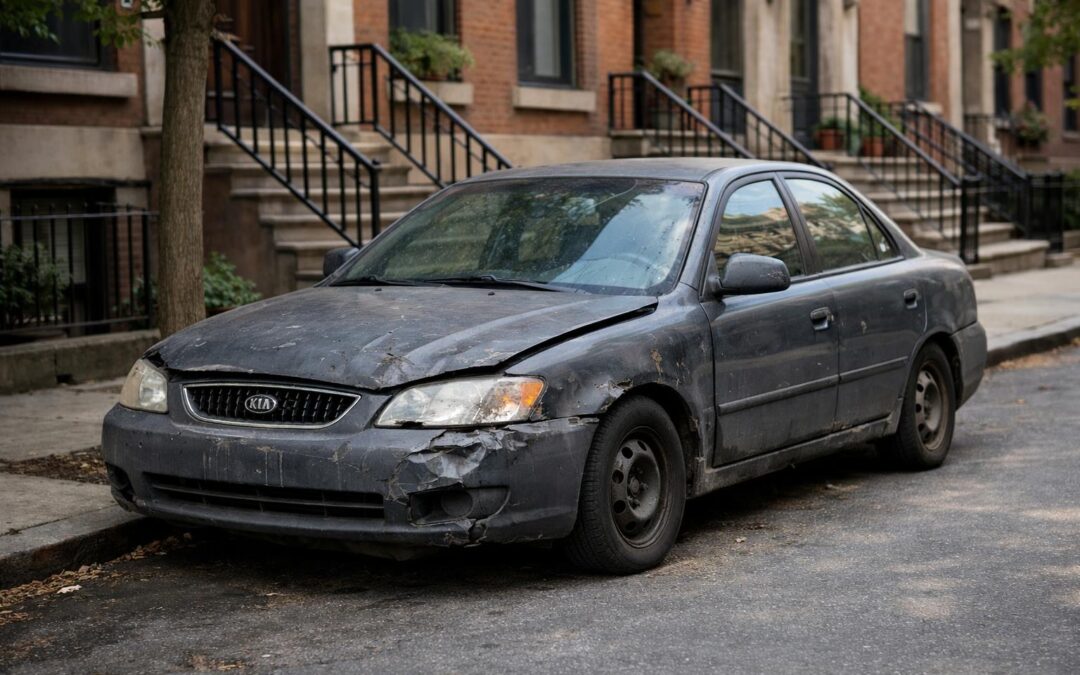
- Vehicles with issues: Your car has mechanical problems, high mileage, or cosmetic damage that may slow down a private sale.
- Estate or inherited vehicles: You want to resolve ownership and clear space quickly with minimal paperwork stress.
If your priority is maximizing profit and you have time and patience, a traditional private sale might still be better. If your priority is speed and certainty, a quick vehicle offer can be the smartest option.
How to Prepare Your Car for a Fast Sale
Even when speed is your main goal, a bit of preparation can significantly improve the quality of your quick vehicle offer. The goal is not perfection but presenting your car honestly and attractively.
Basic Cleaning and Presentation
- Wash and vacuum the car to create a positive first impression.
- Remove personal items from the interior, trunk, and glove compartment.
- Wipe down dashboard, windows, and interior surfaces for a tidy look.
Minor Fixes That Matter
- Top up essential fluids such as oil, coolant, and windshield washer fluid.
- Replace inexpensive items like wiper blades or blown bulbs.
- Check tire pressure and fix simple tire issues if possible.
Organize Your Documentation
- Locate your vehicle title or proof of ownership.
- Gather maintenance records, receipts, and service history.
- Have a valid photo ID and any loan payoff information ready.
These small steps help buyers feel more confident and can reduce deductions in the final quick vehicle offer.
Determining a Fair Price for a Quick Offer
To avoid underselling your car, it is important to understand what a fair range looks like before you seek a quick vehicle offer. You do not need an exact figure, but you should know realistic expectations.
Key Factors That Affect Your Offer
- Year, make, and model: Some vehicles hold value better than others due to brand reputation and demand.
- Mileage: Lower mileage typically increases value, while high mileage reduces it.
- Condition: Both mechanical and cosmetic condition directly impact a quick vehicle offer.
- Accident history: A clean history usually brings a stronger offer.
- Market demand: Local demand for your type of car can raise or lower offers.
Typical Pricing Comparison
The following table shows a simplified comparison of how different selling methods might affect the price you receive, assuming the same car and condition.
| Sale Method | Speed of Sale | Expected Price Level | Effort Required |
|---|---|---|---|
| Private Sale | Slow to Moderate | Highest | High |
| Dealer Trade-In | Fast | Moderate | Low |
| Quick Vehicle Offer Service | Very Fast | Low to Moderate | Very Low |
Use this comparison as a guide when evaluating your own priorities. If you are comfortable accepting a slightly lower price in exchange for a fast, simple transaction, a quick vehicle offer may suit you well.
Where to Get a Quick Vehicle Offer
You have several options when looking for a quick vehicle offer, each with its own advantages. Exploring more than one can help you find the best combination of speed and price.
Local Dealerships
- Many dealers will appraise your car on the same day.
- You can sell outright or use the value toward a trade-in.
- Dealers may offer more for vehicles they need in their inventory.
Online Car-Buying Services
- Fill in your vehicle details for an instant or near-instant offer.
- Offers are often honored after a brief in-person inspection.
- Some services pick up your car from your home or workplace.
Local Cash Car Buyers
- Specialize in quick cash purchases, even for older or damaged vehicles.
- May provide same-day pickup and payment.
- Frequently used for cars that are hard to sell privately.
Whichever route you choose, obtain multiple quick vehicle offers when possible. Comparing them helps you identify outliers and negotiate more confidently.
Step-by-Step Process: From Quote to Cash
Understanding the typical process of a quick vehicle offer removes uncertainty and helps you move through the sale with confidence.
- Gather information about your car. Note the VIN, mileage, features, and any known issues.
- Request initial quotes. Submit your car details to dealers or quick-offer services for preliminary offers.
- Schedule inspections. Most buyers will need to confirm condition in person or through an inspector.
- Review the final offer. Compare this with other offers and your own price expectations.
- Prepare paperwork. Have your title, ID, and any loan payoff information ready for signing.
- Complete the sale. Sign the necessary documents and hand over keys and title.
- Receive payment. Payment is typically made via check, certified funds, or electronic transfer.
- Cancel insurance and registration if needed. After confirming the sale is complete, update your insurance and registration status.
Most of these steps can be completed in a day or two when using a streamlined quick vehicle offer program.
Red Flags and Scams to Avoid
Speed should never come at the cost of safety. Being aware of common warning signs will help you avoid problems when seeking a quick vehicle offer.
- Requests for upfront fees: Legitimate buyers do not charge you to make an offer or appraise your car.
- Unclear payment methods: Vague promises of payment or unusual methods are a serious concern.
- Pressure to sign immediately: High-pressure tactics that discourage you from reading documents can hide unfavorable terms.
- Title or ownership shortcuts: Be cautious if someone suggests skipping legal ownership transfer steps.
- Incomplete paperwork: Always ensure that the buyer’s name, price, date, and vehicle details are clearly documented.
Protect yourself by verifying the buyer’s identity, confirming payment is legitimate, and never releasing your vehicle or title until you are fully satisfied with the transaction.
Negotiation Tips for Faster, Better Offers
Even when you want a fast sale, you are not required to accept the first number you hear. A few simple strategies can improve the quick vehicle offers you receive.
- Know your baseline value. Research average prices for your vehicle so you recognize a reasonable range.
- Collect multiple offers. Mentioning other offers can motivate buyers to raise their price.
- Be honest about issues. Transparency builds trust and reduces last-minute surprises that lower your offer.
- Highlight positives. Recent maintenance, new tires, or a clean history report can justify a higher figure.
- Be flexible on timing. If you can finalize quickly, buyers may offer more to close the deal today.
Remember that negotiation for a quick vehicle offer is usually brief but still worthwhile. A small increase can make a meaningful difference without adding much time.
Frequently Asked Questions About Quick Vehicle Offers
How fast can I sell my car with a quick vehicle offer?
Many sellers complete the entire process, from quote to payment, within 24 to 72 hours. The exact timing depends on the buyer’s schedule, your availability, and how quickly you can provide required documents.
Will I get less money with a quick vehicle offer than in a private sale?
In most cases, yes. Quick vehicle offers prioritize convenience and speed, so the buyer needs enough margin to handle reconditioning, marketing, and resale. However, the time savings and reduced hassle can outweigh the price difference for many people.
Do I need a title to receive a quick vehicle offer?
You typically need a clear title to finalize a quick vehicle offer. If you still owe money on a loan, the buyer may coordinate directly with your lender to pay off the balance. Procedures vary, so ask the buyer about their process if you have a lien.
Can I get a quick vehicle offer for a damaged or non-running car?
Yes, many quick-offer buyers specialize in vehicles that are damaged, high mileage, or not drivable. The offer will reflect the car’s condition, but you can still complete a fast sale without investing in repairs.
Is the initial online quote guaranteed?
Most initial quotes are estimates based on the information you provide. The final quick vehicle offer is usually confirmed after an in-person inspection. Being accurate and honest about your car’s condition helps the final offer match the estimate more closely.
What kind of payment should I expect?
Legitimate buyers commonly pay through verified check, cashier’s check, or electronic transfer. Avoid accepting unusual payment methods or personal checks if you are unsure of the buyer’s credibility.
Can I walk away if I do not like the offer?
Yes. A reputable quick vehicle offer should be no-obligation. You are free to decline if the price does not meet your expectations, or use the offer to compare with other buyers.
Will a quick vehicle offer affect my ability to buy another car?
In a positive way, it can. A fast sale gives you clear cash or equity, which can be used as a down payment on your next vehicle. Many dealers offering quick vehicle offers can also help you transition directly into a replacement car.
Do I need to repair my car before getting a quick offer?
No, major repairs are not required. In fact, investing heavily in repairs shortly before selling might not yield a full return. Focus on simple, low-cost improvements and provide accurate information about any existing issues.
How do I know if a quick vehicle offer is fair?
Compare the offer to online valuation ranges for similar cars, and obtain at least one or two additional offers if possible. If the number falls within a reasonable range and meets your needs for speed and convenience, it is likely fair for a quick sale.
Conclusion: Is a Quick Vehicle Offer Right for You?
A quick vehicle offer provides a fast, low-stress way to sell your car, often in just a day or two. While you might accept slightly less than a private sale, you gain certainty, convenience, and freedom from the usual selling headaches.
If you value speed, simplicity, and a straightforward process, exploring quick vehicle offers can be an excellent decision. Prepare your car, gather your paperwork, compare multiple offers, and choose the option that best balances your need for a fast sale with a fair price.
By approaching the process with clear expectations and basic research, you can turn your vehicle into cash quickly and confidently.