
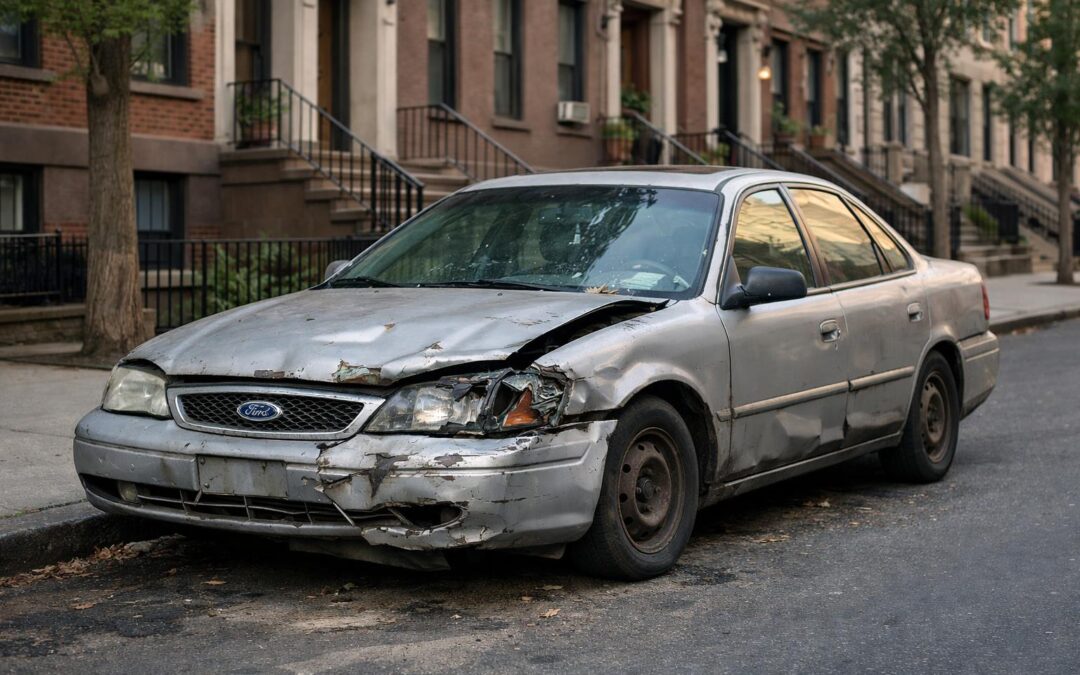
Sell My Damaged Car: The Complete Guide to Getting the Best Price
Table of Contents
- 1. What Counts as a Damaged Car?
- 2. Should I Repair or Sell My Damaged Car as Is?
- 3. How to Calculate What Your Damaged Car Is Worth
- 4. Best Places to Sell a Damaged Car
- 5. Step‑by‑Step Process to Sell a Damaged Car
- 6. Common Mistakes to Avoid When Selling a Damaged Car
- 7. Paperwork and Legal Considerations
- 8. Tips to Get the Highest Offer for Your Damaged Car
- 9. Frequently Asked Questions (FAQ)
- 10. Conclusion
What Counts as a Damaged Car?
When you search for how to sell my damaged car, it is important to understand what qualifies as a damaged vehicle. Damage can range from cosmetic issues to severe structural problems that make the car unsafe or inoperable.
In most cases, a damaged car fits into one or more of these categories:
- Cosmetic damage only such as dents, scratches, chipped paint, or minor rust.
- Mechanical damage including engine problems, transmission issues, failed head gasket, or electrical faults.
- Structural damage from accidents resulting in bent frames, crumpled zones, or compromised safety systems.
- Flood or fire damage affecting interior, electronics, and safety features.
- Hail or weather damage that has impacted the roof, windows, or body panels.
- Salvage or rebuilt title indicating a total loss in the past that has been repaired or not fully restored.
Any of these scenarios can still leave you with a vehicle that has value, even if it is no longer practical for you to keep driving it.
Should I Repair or Sell My Damaged Car as Is?
One of the first decisions you will face is whether to repair the car before selling or to sell it in its current condition. The right choice depends on the cost of repair compared to the increase in resale value.
When Repairs Might Make Sense
- The damage is minor and inexpensive to fix.
- Repair costs are significantly lower than the increase in potential selling price.
- The car is relatively new, has low mileage, and a clean history aside from the current damage.
- You have access to discounted parts or affordable labor.
When to Sell the Car As Is
- Repair costs approach or exceed the car’s current market value.
- The damage affects major systems such as the engine, transmission, or frame.
- The car already has a salvage or rebuilt title.
- You need quick cash and do not want to invest more money into the vehicle.
- Insurance has declared the car a total loss.
A simple rule of thumb: if the cost of repairs is more than half of the car’s current value in good condition, it often makes more financial sense to sell the car damaged instead of fixing it.
How to Calculate What Your Damaged Car Is Worth
To confidently say, “I want to sell my damaged car for a fair price,” you need a realistic estimate of its value. Damaged cars are valued differently than clean, fully functional vehicles, but there is still a clear process you can follow.
Key Factors That Affect Value
- Year, make, and model of the car.
- Mileage and overall wear and tear.
- Type and extent of damage (cosmetic vs structural or mechanical).
- Drivability (does it start, run, and move under its own power?).
- Title status (clean, salvage, rebuilt, flood, or branded).
- Location and local demand for parts and scrap.
Simple Valuation Method
One practical approach is to estimate the car’s value in good condition, then subtract the cost of needed repairs plus a margin for the buyer’s profit and risk.
| Step | Description | Example Amount |
|---|---|---|
| 1 | Find market value of car in good condition | $8,000 |
| 2 | Estimate professional repair costs | $3,500 |
| 3 | Subtract repair costs from good-condition value | $4,500 |
| 4 | Subtract buyer’s margin and risk (20–30%) | Approx. $900–$1,350 |
| 5 | Estimated fair offer for damaged car | $3,150–$3,600 |
This example is simplified, but it shows why offers on damaged cars are typically much lower than retail prices for similar undamaged vehicles.
Best Places to Sell a Damaged Car
You have several options when you decide, “I am ready to sell my damaged car.” Each option has different pros and cons in terms of price, speed, and convenience.
1. Private Buyers
You can list your damaged car for sale to individuals who are comfortable with repairs or want a project car.
- Pros: Potentially higher sale price, more room to negotiate.
- Cons: Takes longer, requires advertising, and you may meet multiple buyers.
2. Local Dealerships
Some dealerships will buy damaged cars, especially if you are trading in for another vehicle.
- Pros: Convenient and fast, especially with trade‑ins.
- Cons: Usually lower offers, as dealers must account for repairs and resale risk.
3. Junkyards and Salvage Yards
Junkyards and salvage yards buy cars for parts or scrap metal value, even if the vehicle does not run.
- Pros: Very quick sale, often same‑day pickup, no need for repairs.
- Cons: Offers are typically based on weight and parts value, which can be lower than other options.
4. Professional Damaged Car Buyers
There are companies that specialize in buying damaged, wrecked, or non‑running vehicles.
- Pros: Streamlined process, instant quotes, free towing in many cases.
- Cons: Offers may still be below what you could get from a motivated private buyer.
5. Parting Out the Car Yourself
In some situations, you can make more money by selling valuable parts and then recycling the shell.
- Pros: Potentially the highest total return.
- Cons: Time‑consuming, requires tools, space, and knowledge of parts buyers.
Step‑by‑Step Process to Sell a Damaged Car
When you decide, “I want to sell my damaged car quickly and safely,” following a clear process can save time and help you avoid costly mistakes.
Step 1: Gather Information About the Car
- Vehicle Identification Number (VIN).
- Current mileage.
- Make, model, year, and trim level.
- Description of the damage and how it occurred.
- Any repair estimates or insurance claim details.
Step 2: Assess the Condition Honestly
Take clear notes and, if possible, photographs of all damage. Include interior, exterior, and mechanical issues. Honesty about the car’s condition will help you get accurate offers and avoid disputes later.
Step 3: Determine Your Minimum Acceptable Price
Use the valuation approach discussed earlier to decide your target price and the lowest offer you are willing to accept. This makes negotiations simpler and prevents pressure‑based decisions.
Step 4: Request Multiple Offers
- Contact junkyards, salvage yards, or damaged car buyers for quotes.
- If selling privately, set an asking price slightly above your target.
- Compare offers not only on price but also towing fees, payment method, and timing.
Step 5: Prepare the Car for Sale
- Remove personal items and documents from the vehicle.
- Gather the title and any maintenance or repair records.
- Locate keys, remotes, and accessories.
Step 6: Complete the Sale Safely
- Fill out a bill of sale or appropriate transfer document.
- Sign the title correctly, following your state or region’s rules.
- Verify the buyer’s identity and payment method.
- Cancel your insurance and return license plates if required.
Common Mistakes to Avoid When Selling a Damaged Car
Many owners lose money or face legal issues because of avoidable errors during the sale of a damaged vehicle.
- Under‑disclosing the damage: Failing to mention structural, flood, or major mechanical damage can lead to disputes or even legal consequences.
- Accepting the first offer without comparison: Always compare at least two or three quotes before deciding.
- Not verifying the buyer: Dealing with unverified buyers increases the risk of scams and payment problems.
- Leaving plates or registration on the car: In some places, you remain responsible for tickets or liability if you do not properly cancel registration.
- Ignoring towing costs: An offer that seems higher may become less attractive once towing fees are included.
- Misunderstanding title branding: Not knowing whether the car has a salvage or rebuilt title can cause major complications at the time of transfer.
Paperwork and Legal Considerations
When you decide, “I want to sell my damaged car legally and properly,” correct paperwork is essential. Requirements vary by region, but the principles are similar in most areas.
Key Documents You May Need
- Vehicle title: Proves you are the legal owner and allows transfer of ownership.
- Government identification: Driver’s license or other accepted ID.
- Bill of sale: Records the buyer, seller, price, and date of transaction.
- Release of liability form: Notifies authorities that you are no longer responsible for the vehicle.
- Odometer disclosure: Required in many regions for vehicles under a certain age.
- Maintenance and repair records: Optional but helpful in demonstrating how the car was maintained.
Title Issues With Damaged Cars
Damage can lead to different types of branded titles that affect value and the sale process.
- Salvage title: Issued when an insurance company declares the car a total loss.
- Rebuilt or reconstructed title: Granted after a salvage vehicle has been repaired and inspected.
- Flood or lemon branding: Indicates specific types of past damage or manufacturer buybacks.
You must accurately represent the title status to potential buyers and follow your local rules for transferring a branded title.
Tips to Get the Highest Offer for Your Damaged Car
Even if your vehicle is in poor condition, there are practical ways to increase the amount you receive when you sell your damaged car.
1. Be Detailed and Transparent
Provide complete information about the damage, including how it happened and any professional assessments. Buyers are more confident paying a fair price when they understand the full picture.
2. Highlight Positive Attributes
- Low mileage compared to similar vehicles.
- Recently replaced parts, such as new tires, battery, or brakes.
- Clean interior or upgraded features.
- Regular maintenance records.
3. Remove Easily Reusable Accessories
If you have high‑value aftermarket items such as premium stereos, custom wheels, or performance parts, you may get a better return by selling them separately and reinstalling standard components.
4. Compare Offers Including All Fees
When you say, “I want the best deal when I sell my damaged car,” consider the entire package:
- Offer amount.
- Towing or pickup costs.
- Payment speed and method.
- Any administrative or processing fees.
5. Time Your Sale Strategically
Demand for certain vehicles can be seasonal. For example, 4×4 trucks and SUVs often fetch more in winter or in regions with rough weather, even if they are damaged, because parts and frames are in higher demand.
Frequently Asked Questions (FAQ)
1. Can I sell my damaged car if it does not run?
Yes, you can sell a non‑running car. Many junkyards, salvage yards, and specialized damaged car buyers will purchase vehicles that do not start, as long as the ownership documents are in order. In most cases they will arrange towing, sometimes at no additional cost.
2. Is it legal to sell a car with frame damage?
It is generally legal to sell a car with frame damage, as long as you fully disclose the condition and follow the laws in your area regarding title branding and safety disclosures. Hiding frame damage from a buyer can expose you to legal and financial liability.
3. How much is my damaged car worth compared to a normal car?
The value of a damaged car is usually significantly lower than the same car in good condition. The reduction in value depends on repair costs, type of damage, and title status. Severe mechanical or structural issues, or a salvage title, can reduce value by 50 percent or more.
4. Do I need insurance on my damaged car while I am selling it?
Requirements vary by location, but if the car is not being driven and is stored on private property, you may not need active coverage. However, you should not cancel insurance until you are certain the sale is complete and ownership has been transferred according to local law.
5. What if I lost the title to my damaged car?
If you have misplaced the title, you usually need to request a replacement or duplicate from your local motor vehicle authority before selling. Some buyers may help with this process, but ownership cannot legally transfer without following your region’s title replacement procedure.
6. Should I tell buyers about past accidents if the car looks fine now?
Yes, you should disclose known accidents and previous damage, especially if they resulted in major repairs or a branded title. Transparency protects you from future disputes and builds trust with buyers who are willing to pay a fair price for a repaired vehicle.
7. Can I sell my damaged car if I still owe money on it?
It is often possible, but more complex. You must work with your lender to pay off the loan or arrange a payoff amount. The lender typically holds the title until the loan is cleared, so the sale proceeds may need to go directly to them before ownership can transfer.
8. How long does it usually take to sell a damaged car?
The timeline depends on how you sell it. Junkyards and professional damaged car buyers can often complete the entire process in one or two days. Private sales may take a few days to several weeks, depending on demand, price, and how you advertise the car.
9. Is parting out my damaged car worth the effort?
Parting out can yield more money in total if the vehicle has many desirable components, such as a good engine, transmission, or rare parts. However, it requires significant time, tools, knowledge, and space. For many owners, a direct sale to a damaged car buyer is faster and simpler.
10. What should I remove from the car before selling?
You should remove all personal belongings, registration documents, toll tags, and any items you plan to keep, such as custom accessories. Also check common storage areas like the glove box, center console, trunk, and under seats before handing over the keys.
Conclusion
If you are thinking, “How can I sell my damaged car without stress and without leaving money on the table?”, the answer is preparation and transparency. Understand what kind of damage you have, estimate the car’s realistic value, and explore multiple selling options before deciding.
With careful planning, honest communication, and proper paperwork, you can turn a damaged, non‑running, or totaled vehicle into cash, while protecting yourself legally and financially. Even cars with serious issues still have value to the right buyer, and using the strategies in this guide will help you capture as much of that value as possible.