
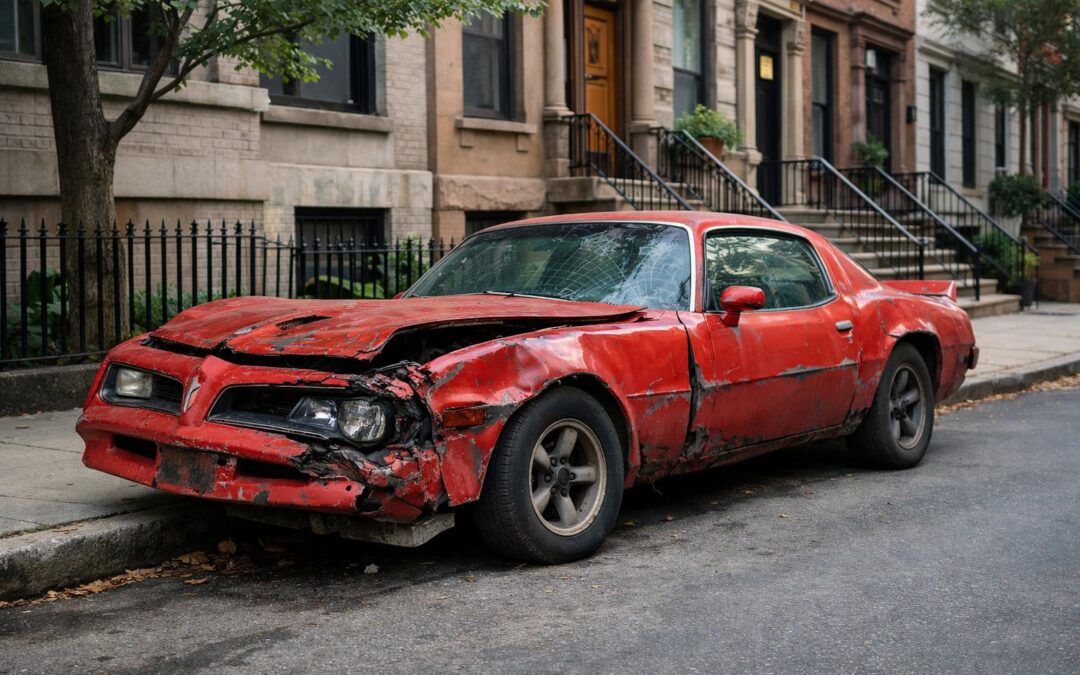
Sell My Wrecked Car: A Complete Step-by-Step Guide
Table of Contents
- Introduction: Can I Really Sell My Wrecked Car?
- Understanding the True Value of a Wrecked Car
- Should I Repair or Sell My Wrecked Car As-Is?
- Where Can I Sell My Wrecked Car?
- Documents and Information You Need Before Selling
- How to Get Multiple Offers and Compare Them
- Preparing Your Wrecked Car for Sale
- Avoiding Scams and Common Mistakes
- Frequently Asked Questions About Selling a Wrecked Car
- Conclusion: Turning a Wrecked Car into Fast Cash
Introduction: Can I Really Sell My Wrecked Car?
If you are thinking, “Can I sell my wrecked car for a reasonable amount of money?” the answer is almost always yes. Even if your vehicle is totaled, not running, or heavily damaged, there are buyers who want it for parts, scrap metal, or rebuilding projects.
Instead of letting a damaged vehicle sit in your driveway or paying storage fees at a tow yard, you can usually turn it into fast cash by understanding your options and following a simple process.
Understanding the True Value of a Wrecked Car
When people say, “I want to sell my wrecked car,” they are often unsure what it is actually worth. The value of a damaged vehicle depends on several key factors.
Main Factors That Affect Value
- Extent and type of damage: Front-end, rear-end, frame damage, flood damage, or fire damage all affect value differently.
- Age and mileage: Newer cars and those with lower mileage are often worth more, even when wrecked.
- Make and model: Popular brands and models with high-demand parts often bring higher offers.
- Title status: Clean title, salvage title, rebuilt title, or no title all influence what buyers are willing to pay.
- Drivability: A car that still runs, even poorly, can be worth more than a non-running shell.
- Location: Local demand, scrap metal prices, and distance to buyers or yards all play a role.
Typical Value Ranges
Every wrecked vehicle is unique, but it can help to see broad value categories.
| Condition of Wrecked Car | Typical Buyer Type | Possible Value Range (Approximate) |
|---|---|---|
| Minor body damage, runs and drives | Private buyers, repair shops, rebuilders | Higher, often 40–70% of pre-accident value |
| Major damage, but engine/transmission good | Parts buyers, rebuilders, specialty yards | Moderate, depends heavily on parts demand |
| Severe damage, non-running, but complete | Salvage yards, scrap buyers | Lower, usually based on parts and scrap weight |
| Stripped or burned, missing major components | Scrap metal buyers | Lowest, mostly metal value |
Should I Repair or Sell My Wrecked Car As-Is?
Before you rush to sell, it is worth asking whether fixing the car makes financial sense. In many cases, it does not.
When Repairing Might Make Sense
- The damage is mostly cosmetic and repair costs are low.
- The car is relatively new, in high demand, or still under some form of warranty after repair.
- You have access to discounted parts and labor, such as a trusted mechanic or your own skills.
When Selling As-Is Is Usually Better
- The repair estimate is close to or more than the car’s value before the accident.
- The vehicle has frame damage, flood damage, or serious structural issues.
- Your insurance company has declared the car a total loss.
- You do not want to deal with repair delays, rental car costs, or inspection hassles.
Rule of thumb: If repair costs are more than 60–70% of the vehicle’s pre-accident value, selling your wrecked car as-is is often the smarter choice.
Where Can I Sell My Wrecked Car?
Once you decide to sell your wrecked car, the next step is choosing the right type of buyer. Each option has pros and cons in terms of speed, price, and convenience.
1. Local Salvage or Junk Yards
- They buy damaged and non-running vehicles for parts and scrap.
- Usually offer quick, same-day or next-day pickup and payment.
- Offers can vary widely, so it pays to get multiple quotes.
2. Cash-for-Cars and Wrecked Car Buyers
- Specialized companies that focus on buying damaged and totaled vehicles.
- Often provide instant or same-day quotes and free towing.
- Convenient if you want to sell your wrecked car fast with minimal effort.
3. Private Buyers and Rebuilders
- Mechanics, hobbyists, or rebuilders who repair cars for resale.
- May pay more than scrap buyers if the vehicle is a good rebuild candidate.
- Requires advertising, answering questions, and possibly negotiating in person.
4. Auto Auctions
- Some public auctions accept wrecked or salvage vehicles.
- Can sometimes generate higher prices if multiple bidders are interested.
- May involve fees, transport to the auction lot, and waiting for auction dates.
Documents and Information You Need Before Selling
To sell your wrecked car smoothly and legally, you will need certain paperwork and basic details ready.
Essential Documents
- Vehicle title: Proof of ownership. Without it, your options can be limited.
- Photo ID: Driver’s license or other government-issued identification.
- Registration (if available): Helpful, though not always required.
- Loan payoff information: If there is still a lien or loan on the vehicle.
- Insurance claim paperwork: Especially if the car has been declared a total loss.
Vehicle Details Buyers Will Ask For
- Year, make, and model.
- Vehicle Identification Number (VIN).
- Approximate mileage (if known).
- Type and extent of damage (front-end, rear-end, side, flood, fire, etc.).
- Whether the car starts, runs, or drives.
- Any missing parts or major issues not related to the accident.
Having this information ready helps you get accurate offers and speeds up the selling process.
How to Get Multiple Offers and Compare Them
The most effective way to maximize what you receive when you sell your wrecked car is to compare offers from several buyers.
Step-by-Step Process
- Gather basic information: VIN, mileage, damage description, title status, and location.
- Contact several buyers: Reach out to local salvage yards, wrecked car buyers, and potential private buyers.
- Request full offers: Include towing, title transfer help, and any fees in the quote.
- Ask about payment method: Confirm cash, check, or other payment, and when you receive it.
- Compare offers, not just price: Consider convenience, towing cost, and how quickly they can pick up the car.
What to Look For in an Offer
- Total amount you receive: After any fees or towing charges.
- Towing included: Free towing can make a slightly lower offer more attractive.
- Speed of pickup and payment: Same-day or next-day service can be valuable.
- Clarity on paperwork: Some buyers assist with title transfer and bill of sale.
Preparing Your Wrecked Car for Sale
Even though you are not selling a perfect vehicle, a little preparation can help prevent problems and sometimes increase what buyers are willing to pay.
Remove Personal Items
- Check the glove box, center console, door pockets, and under the seats.
- Look in the trunk, spare tire compartment, and any storage compartments.
- Remove documents with personal information such as registration and insurance cards, unless needed for the sale.
Decide What to Keep
- If you recently installed a new stereo, GPS unit, or valuable accessories, you may want to remove them.
- Consider keeping easily removable valuables like aftermarket wheels, if agreed upon with the buyer.
- Do not remove major components without telling buyers; hidden removals can reduce trust and offers.
Basic Clean-Up
- You do not need a full detail, but removing trash and obvious clutter helps.
- Take a few clear photos if you will be sharing them with potential buyers.
- Make the keys accessible and, if possible, have the battery charged for inspection.
Avoiding Scams and Common Mistakes
When you sell a wrecked car, especially for cash, it is important to stay cautious and protect yourself.
Common Mistakes to Avoid
- Accepting the first offer without comparing others.
- Signing the title before you have confirmed payment details.
- Leaving license plates or personal items on the car at pickup.
- Failing to notify your state’s motor vehicle department of the sale, if required.
- Not canceling insurance after the vehicle is sold and picked up.
Red Flags and Possible Scams
- Buyers who will not share a business name or contact information.
- Offers that change suddenly at pickup without a clear reason.
- Requests for you to pay towing or “processing” fees upfront without a written agreement.
- Buyers who insist on unusual payment methods or delaying payment until later.
Protect yourself: Always verify payment, record the buyer’s information, and complete the title transfer properly before releasing the vehicle.
Frequently Asked Questions About Selling a Wrecked Car
1. Can I sell my wrecked car if it does not run?
Yes. Many buyers specialize in non-running or severely damaged vehicles. They often provide towing, so your car does not need to be drivable. Non-running cars are usually valued based on parts and scrap metal, but you can still receive a fair offer by contacting multiple buyers.
2. Do I need a title to sell my wrecked car?
Having a title makes the process much easier and typically leads to better offers. In many areas, selling without a title is more complicated and sometimes not allowed. If you lost your title, you may be able to request a replacement from your local motor vehicle office before selling.
3. Will I get more money if I part out my wrecked car myself?
It is possible, but it requires time, tools, storage space, and knowledge of which parts are valuable. You also have to deal with multiple buyers and leftover scrap. For most people, selling the entire wrecked car as-is is faster, simpler, and still provides a reasonable return.
4. How do insurance companies affect selling a wrecked car?
If your insurance company declares your car a total loss, they may pay you the vehicle’s value and then take ownership. In some cases, you can keep the car as a “salvage” vehicle by accepting a reduced payout. You can then sell the wrecked car yourself. Always clarify with your insurer before making a decision.
5. How quickly can I sell my wrecked car?
Many salvage yards and wrecked car buyers can complete the process in one to three days, sometimes even the same day. The exact timing depends on your location, when you are available for pickup, and whether your paperwork is ready.
6. How is the price for my wrecked car calculated?
Most buyers start with the car’s make, model, year, and condition. They consider the demand for parts, the current scrap metal market, and the cost of towing. Running vehicles, popular models, and those with intact major components often receive better offers than severely stripped or burned cars.
7. Should I fix small issues before I try to sell my wrecked car?
Minor fixes like inflating tires or recharging a battery can help with inspection and loading, but major repairs are usually not worth the cost. Focus on documentation, clear communication about damage, and getting multiple offers rather than spending significant money on repairs.
8. Is it better to donate or sell my wrecked car?
Donating may provide a tax deduction and can support a cause you care about, but you typically receive less financial benefit than selling. If you want maximum cash, selling is usually better. If convenience and charitable support matter more, donation can be a good option.
9. Can I sell a wrecked car that still has a loan on it?
It is possible but more complex. The lender technically owns the vehicle until the loan is paid off. You will usually need to contact your lender, obtain the payoff amount, and coordinate the sale so the loan is cleared and the title can be transferred to the new owner.
10. What should I do after my wrecked car is picked up?
Make sure you have a copy of the bill of sale or any receipt. Remove or cancel your insurance on the vehicle, and if your state requires it, notify the motor vehicle department that you sold the car. Also confirm that your license plates have been removed or handled according to local regulations.
Conclusion: Turning a Wrecked Car into Fast Cash
Saying “I need to sell my wrecked car” does not mean you are stuck with a worthless hunk of metal. With the right information and a simple plan, you can turn a damaged, non-running, or totaled vehicle into cash while freeing up space and eliminating stress.
Understand your car’s condition, gather your paperwork, contact multiple buyers, and compare offers based on both price and convenience. By following the steps in this guide, you can confidently sell your wrecked car and move on from the accident with money in your pocket and one less problem to worry about.