
Cars Bought In Any Condition: How To Sell Your Vehicle Fast
Table of Contents
- What Does “Cars Bought In Any Condition” Really Mean?
- Types of Car Conditions Buyers Commonly Accept
- How the “Any Condition” Process Works Step by Step
- Documents You Typically Need to Sell Your Car
- How Buyers Calculate Offers for Cars in Any Condition
- Benefits of Selling to a “Cars Bought In Any Condition” Service
- Common Myths and Misconceptions
- Frequently Asked Questions
- Conclusion: Is Selling Your Car in Any Condition Right for You?
What Does “Cars Bought In Any Condition” Really Mean?
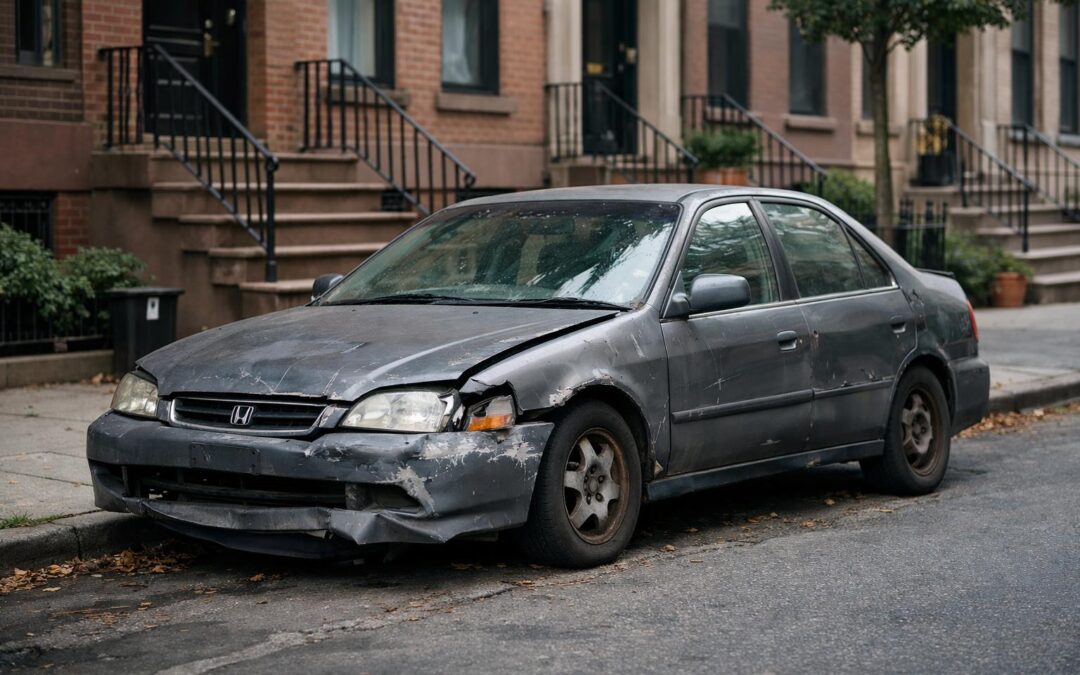
The phrase cars bought in any condition is used by car buyers and removal services that purchase vehicles regardless of their age, mileage, cosmetic appearance, or mechanical state. Instead of limiting purchases to clean, fully running cars, these buyers also take:
- Non-running or broken-down vehicles
- High-mileage daily drivers
- Accident-damaged or written-off cars
- Cars with cosmetic issues like dents, rust, and faded paint
- Vehicles with missing parts or failed inspections
In practical terms, “any condition” means the buyer is willing to evaluate almost any vehicle and make a cash offer as long as basic ownership can be verified.
Types of Car Conditions Buyers Commonly Accept
Understanding how buyers categorize vehicle condition helps you set expectations about value and speed of sale. While terms vary, the main categories look like this:
1. Excellent or Like-New Condition
These cars are:
- Newer models with low mileage
- Fully maintained with service records
- Free from major cosmetic or mechanical issues
Even though “cars bought in any condition” services focus on rougher vehicles, they will still buy well-kept cars and may offer competitive prices because they are easier to resell.
2. Good Daily-Driver Condition
Most private vehicles fall into this category. Typical features include:
- Moderate to high mileage
- Minor dings, scratches, or interior wear
- No major safety issues, but maybe small mechanical quirks
These cars usually qualify for a fair market offer because they can often be resold with only minor reconditioning.
3. Fair or “Needs Work” Condition
Cars in fair condition may still drive but need repairs or have failed inspections. Examples:
- Check-engine light on or known mechanical issues
- Worn tires, brakes, or suspension components
- Noticeable cosmetic damage like large dents or peeling paint
“Any condition” buyers often target this type of vehicle because they can either fix and resell or part them out.
4. Poor, Non-Running, or Salvage Condition
At the roughest end of the spectrum are vehicles that are:
- Totaled in accidents or considered salvage
- Non-running due to engine or transmission failure
- Severely rusted, stripped, or missing major parts
These cars usually carry scrap or parts value, but the promise “cars bought in any condition” still applies. Many buyers will tow them away and pay based on metal and component value.
How the “Any Condition” Process Works Step by Step
Although each company has its own approach, the general process for selling to a “cars bought in any condition” service follows a similar pattern.
Step 1: Initial Contact and Vehicle Details
You typically start by contacting the buyer and providing basic information:
- Make, model, and year
- Approximate mileage
- Overall condition (running or not, damage, major issues)
- Title status and whether you still owe money on the vehicle
Buyers often give a preliminary estimate based on these details.
Step 2: Online or Phone Evaluation
For many “cars bought in any condition” services, a remote evaluation is enough to make a tentative offer. They may ask follow-up questions such as:
- Is there body damage or rust?
- Has the vehicle ever been in a major accident?
- Are there any missing parts or modifications?
Step 3: On-Site Inspection or Pickup
If you accept the preliminary offer, the buyer may arrange:
- An in-person inspection at your location
- A drop-off appointment at their yard or lot
- A tow truck visit if the car is non-running
At this point, the buyer confirms the condition described and may adjust the offer slightly if the vehicle is better or worse than expected.
Step 4: Offer and Negotiation
Once the car is inspected, you receive a firm cash offer. You can:
- Accept the offer on the spot
- Negotiate if you feel the price is too low
- Decline and explore other selling options
Step 5: Paperwork and Payment
After you accept, the buyer prepares documents. Typically:
- You sign over the title
- Complete a bill of sale if required
- Remove plates and personal belongings
Payment is usually made by cash, check, or certified bank draft at pickup time.
Step 6: Removal or Handover
For non-running cars, towing is normally included. For drivable vehicles, you may drive to the buyer’s location. Once the vehicle leaves your possession and paperwork is complete, the sale is done.
Documents You Typically Need to Sell Your Car
Even when advertising “cars bought in any condition,” reputable buyers still require proof that you legally own the vehicle. Common documents include:
- Vehicle title in your name
- Government-issued ID matching the title
- Registration, especially if required for transfer in your area
- Loan payoff information if there is still a lien on the car
- Maintenance records (optional but helpful for running vehicles)
Important: Requirements vary by location. Always verify local rules for transferring ownership and canceling registration or insurance.
Some buyers accept vehicles without a title in certain situations, but the offer is usually lower and extra verification steps may be needed.
How Buyers Calculate Offers for Cars in Any Condition
When you hear “cars bought in any condition,” it is natural to wonder how the price is determined. Different buyers use different formulas, but several key factors guide most offers.
Key Factors That Influence Your Offer
- Year, make, and model of the vehicle
- Mileage and service history
- Mechanical condition (engine, transmission, major systems)
- Cosmetic condition (body panels, paint, interior)
- Title status (clean, salvage, rebuilt, or missing)
- Local demand for that type of car or parts
- Metal and scrap value for vehicles beyond repair
Typical Value Ranges by Condition
The following table illustrates how condition can impact approximate offer ranges. These are broad examples, not guaranteed prices.
| Condition Category | Description | Typical Value Basis |
|---|---|---|
| Excellent / Like-New | Low mileage, no major defects | Retail or high trade-in value minus buyer margin |
| Good Daily Driver | Moderate wear, fully running | Private sale value minus reconditioning and fees |
| Fair / Needs Work | Running but requires repairs | Estimated resale value after repairs minus repair costs |
| Poor / Non-Running | Major mechanical issues or heavy damage | Parts resale value minus towing and handling |
| Scrap / End-of-Life | Severely damaged, rusted, or incomplete | Metal scrap weight price minus processing costs |
Why Offers May Vary Between Buyers
Two different “cars bought in any condition” buyers may give very different quotes because:
- They serve different markets (retail resales vs. scrap yards)
- Their overhead and operating costs differ
- They have varying demand for specific models or parts
Comparing multiple offers is often the easiest way to maximize your cash payout.
Benefits of Selling to a “Cars Bought In Any Condition” Service
Selling your vehicle through a traditional private listing can take weeks or months and requires repair work, advertising, and negotiation. In contrast, “cars bought in any condition” services focus on speed and simplicity.
Fast and Convenient
- Offers often provided the same day
- Paperwork handled on your behalf in many cases
- On-site pickup, saving you time and effort
No Need for Repairs or Cleaning
Instead of investing money in repairs, detailing, or inspection fees, you can sell the car “as-is.” This is especially useful when:
- Repair costs exceed the car’s value
- You need cash quickly
- You do not want the hassle of coordinating mechanics and showings
Accepts Problem Vehicles
“Cars bought in any condition” services specialize in vehicles that are difficult to sell elsewhere, such as:
- Non-running project cars that have sat for years
- Accident-damaged vehicles with salvage titles
- Cars that failed emissions or safety inspections
Reduced Selling Risk
Compared with private sales, you typically face less risk of:
- Strangers visiting your home repeatedly for test drives
- Payment scams or bounced checks
- Buyers backing out at the last minute
Common Myths and Misconceptions
Because “cars bought in any condition” sounds too good to be true, it is surrounded by myths. Understanding reality helps you make better selling decisions.
Myth 1: They Only Want Scrap Cars
Many people assume these services buy only junkers. In reality, they often prefer running cars because the resale profit is higher. Scrap vehicles are simply the lower end of what they accept.
Myth 2: You Will Always Get the Lowest Possible Price
While convenience buyers do need room for profit, that does not mean every offer is unfair. Some specialize in certain models or parts and may pay competitively, especially for desirable vehicles in decent condition.
Myth 3: You Must Have a Perfect Title to Sell
Having a clean title in your name is ideal, but some buyers can work with:
- Lost titles, with proper ID and additional forms
- Estate or inherited vehicles, with legal documents
- Cars with liens, by coordinating with the lender
Policies differ, so you should always ask in advance.
Myth 4: The Car’s Condition Does Not Matter At All
“Cars bought in any condition” means the buyer will consider your vehicle, not that condition is irrelevant to the price. Severe damage, missing parts, or expensive mechanical failures still reduce what the car is worth.
Frequently Asked Questions
Do buyers really purchase cars in any condition?
Most reputable services that advertise “cars bought in any condition” genuinely purchase a wide range of vehicles, from nearly new to scrap. However, they may decline cars without proof of ownership or those that are unsafe to handle, such as severely burned or contaminated vehicles.
Will I get more money if I repair my car first?
It depends on the cost of repairs versus the increase in value. For major engine or transmission problems, repair bills can exceed the vehicle’s worth. In those cases, selling “as-is” to an “any condition” buyer often makes more financial sense.
Can I sell my car if it does not run?
Yes. Non-running cars are common for these services. Many include free towing and will base the offer on parts and scrap value, or on the potential to repair and resell the vehicle.
What if I lost my car title?
You can often still sell, but the process may be more complex and the offer potentially lower. Some buyers require you to obtain a replacement title first, while others can help with extra paperwork, depending on local regulations.
How fast can I get paid?
Timeframes vary, but many “cars bought in any condition” buyers provide same-day or next-day payment once you accept their offer and provide required documents. Payment is frequently issued on the spot at pickup.
Is it better to trade in my car or sell it to an “any condition” buyer?
If your car is in decent driving condition and you plan to buy a new vehicle immediately, a trade-in might be more convenient. For severely damaged, high-mileage, or non-running vehicles, “cars bought in any condition” services often provide a simpler and sometimes more competitive option than a dealership trade-in.
Do I need to clean my car before selling?
You are not required to detail your car, especially if it is being sold for scrap or parts. However, removing trash and personal items is important for your privacy and may leave a better impression during the inspection.
Can I sell a car that failed emissions or safety inspection?
Yes. Vehicles that cannot pass inspection are a common target for “cars bought in any condition” companies. They may repair and resell them where regulations differ or dismantle them for usable parts.
Are there fees or charges for towing?
Many buyers include towing for non-running cars at no extra cost, building it into their offer. Others charge a separate towing fee that is deducted from the payout. Always confirm towing terms before agreeing to a sale.
What happens to my car after I sell it?
Depending on its condition, the buyer may:
- Repair and resell it as a used car
- Sell individual parts to repair shops or consumers
- Send it to a recycling facility where metals and materials are processed
Conclusion: Is Selling Your Car in Any Condition Right for You?
Selling to a service that advertises cars bought in any condition can be a fast, low-stress alternative to traditional private sales, especially if your vehicle is damaged, high-mileage, or no longer running. By understanding how these buyers evaluate cars, what documents you need, and how the process works, you can decide whether this route matches your priorities for speed, convenience, and price.
If you value a quick sale, do not want to invest in repairs, and prefer minimal hassle, exploring “any condition” buyers is often a practical and financially sensible choice.