
Vehicles Bought In Any Condition: How It Works and What To Expect
Table of Contents
- What Does “Vehicles Bought In Any Condition” Really Mean?
- Types of Vehicles Typically Accepted
- Common Conditions: From Like-New to Totaled
- How the Vehicle Evaluation and Offer Process Works
- Documents and Preparation Before You Sell
- How Payout Is Calculated
- Pros and Cons of Selling a Vehicle in Any Condition
- Tips to Get the Best Possible Offer
- Frequently Asked Questions (FAQ)
- Conclusion: Is Selling a Vehicle in Any Condition Right for You?
What Does “Vehicles Bought In Any Condition” Really Mean?
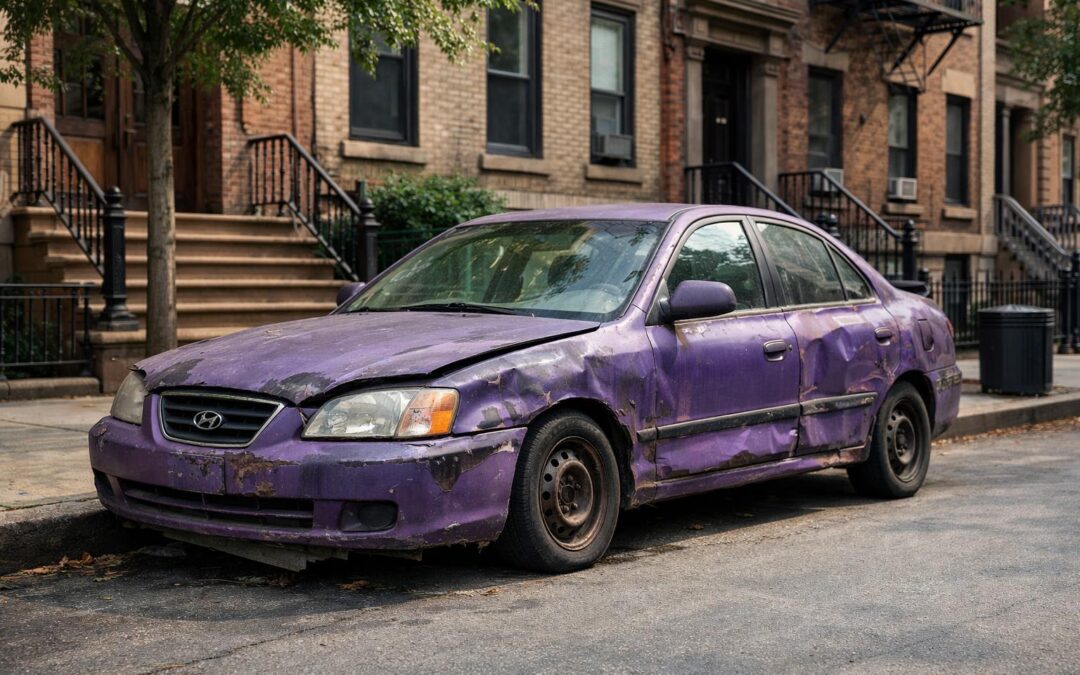
The phrase “vehicles bought in any condition” refers to buyers who will purchase cars, trucks, SUVs, vans, motorcycles, and other vehicles regardless of their cosmetic appearance, mechanical reliability, age, or mileage. This includes vehicles that are still running well, as well as those that are non-running, salvaged, or severely damaged.
Instead of focusing solely on retail value, these buyers often look at the vehicle’s overall potential for resale, parts, or scrap. This creates an opportunity to sell a vehicle that might otherwise be difficult or impossible to move through a traditional private sale or trade-in.
Types of Vehicles Typically Accepted
Most services that advertise vehicles bought in any condition accept a very wide range of vehicles. While each buyer has its own criteria, the following categories are commonly accepted:
- Daily drivers: Cars and trucks that are still roadworthy, even with wear and tear.
- High-mileage vehicles: Vehicles with odometers that are well above average for their age.
- Older vehicles: Cars that are considered outdated for dealership lots but still have usable parts or scrap value.
- Project cars: Vehicles that were partway through restoration or modification and never completed.
- Flood, fire, or collision damaged vehicles: Cars that may be too costly to repair for normal use.
- Non-running or “dead” vehicles: Cars that will not start or move under their own power.
- Salvage title or branded title vehicles: Vehicles with titles that reflect major damage or insurance total-loss history.
Many buyers will also consider commercial vehicles, motorcycles, and sometimes specialty vehicles, depending on demand and parts value.
Common Conditions: From Like-New to Totaled
The condition of a vehicle can range from pristine to completely destroyed, and each level affects the value differently. When a service says “vehicles bought in any condition,” it usually covers these broad categories:
- Excellent condition: Newer models with minimal cosmetic or mechanical issues, often still under warranty.
- Good condition: Well-maintained vehicles with normal wear, minor dents or scratches, and no major mechanical problems.
- Fair condition: Vehicles with visible cosmetic issues, moderate mechanical needs, or higher mileage.
- Poor condition: Significant cosmetic damage, warning lights, leaks, or known mechanical failures.
- Non-running condition: Engines that will not start, transmissions that will not shift, or vehicles that are not safe to drive.
- Totaled or severely damaged: Vehicles that have been in major accidents, floods, or fires, often with structural damage.
Buyers will adjust their offers according to the condition category and the estimated cost of repair or value in parts and metal.
How the Vehicle Evaluation and Offer Process Works
While details vary between buyers, most “vehicles bought in any condition” processes follow a similar pattern:
- Initial contact and basic information
- You provide details like make, model, year, mileage, and condition.
- You may be asked about title status, accident history, and major issues.
- Preliminary estimate
- Based on your description, you receive a rough estimate or range.
- This number may change after physical inspection.
- Inspection or verification
- A representative may visit to inspect, or you may drive the vehicle to a lot.
- For non-running vehicles, a tow truck might be sent out for on-site evaluation.
- Final offer
- The buyer confirms condition and presents a firm cash offer.
- You decide whether to accept, negotiate, or decline.
- Paperwork and payment
- Title and registration are verified, and sale documents are signed.
- Payment is typically made via check, electronic transfer, or occasionally cash.
- Vehicle pickup or drop-off
- If the vehicle is not drivable, towing is often included.
- Drivable vehicles may be driven away by the buyer or a transporter.
This streamlined process is designed to be faster and less complicated than selling privately, especially for damaged or non-running vehicles.
Documents and Preparation Before You Sell
Even when vehicles are bought in any condition, you still need certain documents and basic preparation steps to make the transaction smooth and legal.
- Vehicle title: Most buyers require a clear title in your name. If the title is missing, you may need to obtain a replacement from your local agency.
- Photo identification: A valid government-issued ID is often required to confirm ownership and sign the bill of sale.
- Registration: Current or previous registration documents can help verify vehicle details.
- Keys and remotes: Providing complete sets of keys and remotes can increase convenience and, occasionally, the offer amount.
- Loan or lien information: If you still owe money on the vehicle, you will need account details so that the lien can be satisfied.
Preparing the vehicle can also help:
- Remove personal belongings from the interior, trunk, and storage compartments.
- Gather any maintenance records that might demonstrate good care.
- Have the odometer reading ready to report accurately.
While deep cleaning is not usually necessary for severely damaged vehicles, a reasonably tidy interior can still leave a better impression and support your condition claims.
How Payout Is Calculated
When vehicles are bought in any condition, buyers use a mix of factors to determine what they can reasonably pay while still making a profit. The primary considerations include:
- Year, make, and model: Popular, reliable models tend to retain more value, even when damaged.
- Mileage: Lower mileage is typically worth more because of longer remaining service life or higher parts demand.
- Title status: Clean titles are generally worth more than salvage or branded titles.
- Overall condition: Cosmetic and mechanical issues directly impact both repair costs and resale potential.
- Market demand: Local demand for used cars, parts, and scrap metal plays a role.
- Drivability: Running, drivable vehicles often fetch more than non-running equivalents.
| Condition Category | Typical Buyer Focus | Relative Offer Range (vs. Market Value) |
|---|---|---|
| Excellent / Good | Retail resale, certified used, dealer lots | Closer to full market value |
| Fair | Minor repairs, auction resale | Moderate discount from market value |
| Poor | Major repairs, parts harvesting | Significant discount, based on repair costs |
| Non-running / Totaled | Parts-only, scrap metal, salvage auctions | Lowest range, often scrap or parts value |
Understanding where your vehicle fits on this spectrum can help you form realistic expectations before you request offers.
Pros and Cons of Selling a Vehicle in Any Condition
Selling to buyers who accept vehicles in any condition has clear benefits, but it may not always yield the highest possible price. Weighing pros and cons helps you choose the best route.
Advantages
- Speed: You can often receive an offer and complete the sale in a matter of days, sometimes even the same day.
- Convenience: No need to list your car, meet multiple buyers, or handle lengthy negotiations.
- Acceptance of major issues: Mechanical failures, body damage, or old age do not automatically disqualify your vehicle.
- Reduced repair risk: You can avoid investing money in repairs that might not pay off in a private sale.
- Free towing (in many cases): Non-running vehicles can often be picked up at no extra cost.
Disadvantages
- Lower offers than private sale: Buyers must factor in their own profit, so offers are usually below top market value.
- Limited negotiation room: Many services use standardized pricing, leaving less space for back-and-forth bargaining.
- Condition disputes: If your description is inaccurate, the final offer may be reduced after inspection.
- Fees and deductions: In some cases, paperwork or towing fees may be deducted from your payout.
Choosing a “vehicles bought in any condition” buyer is often about maximizing net convenience rather than squeezing out every last dollar. For many owners, the time and stress saved outweigh the potential difference in price.
Tips to Get the Best Possible Offer
Even when selling to a buyer that takes vehicles in any condition, your actions can influence the final payout. These practical tips can help you secure a stronger offer:
- Be honest and detailed about condition: Accurately describe cosmetic damage, mechanical issues, and warning lights. Honest descriptions reduce the risk of price drops after inspection.
- Gather maintenance records: Service receipts, oil change logs, and major repair invoices show that the vehicle has been cared for.
- Highlight valuable features: Note items like recent tires, upgraded audio, new battery, or major repairs that extend the vehicle’s life.
- Remove personal accessories: Take out items you want to keep, but leave factory equipment intact, as it may contribute to value.
- Get multiple quotes: Compare offers from more than one buyer to ensure you are not accepting a significantly below-market price.
- Time your sale if possible: Demand for used vehicles can fluctuate with the season and local market conditions.
- Clarify fees in advance: Ask whether towing, paperwork, or title processing costs will be deducted from your payment.
Frequently Asked Questions (FAQ)
1. What kinds of “conditions” do buyers really accept?
Most buyers that advertise vehicles bought in any condition will consider cars that are running, non-running, damaged, very old, high-mileage, or even totaled. The key difference is in how much they will pay for each category. Almost any condition is acceptable, but the offer is tailored to the vehicle’s realistic resale or scrap potential.
2. Can I sell a car that does not start or move?
Yes. Non-running vehicles are often accepted, and many buyers provide towing or transport as part of the service. The offer will typically be based on parts and scrap value, as well as any components that can still be resold.
3. Do I need a title to sell a vehicle in any condition?
In most areas, a valid title in your name is required to transfer ownership legally. Some buyers may have special procedures for lost titles, but these vary by region and local regulations. It is usually best to obtain a replacement title before arranging the sale.
4. Will I get more money by repairing my vehicle first?
Not always. If repairs are minor and inexpensive, they might increase the value enough to justify the cost. However, major repairs on older or severely damaged vehicles may cost more than the resulting price increase. When buyers accept vehicles in any condition, they often prefer to handle repairs themselves, and they factor that cost into their offers.
5. How quickly can I get paid for my vehicle?
Payment timelines vary, but many buyers can complete the process in one to three days. In some cases, you can receive payment on the same day as inspection and pickup. Payment methods commonly include checks or electronic transfers, and sometimes cash, depending on policies.
6. Is selling to a “vehicles bought in any condition” buyer safe?
It can be safe if you work with reputable buyers and follow standard precautions. Verify business details, read any agreements carefully, and ensure the title is properly transferred out of your name. Keep copies of all documents and confirm how and when you will be paid before handing over keys and paperwork.
7. Will damage from accidents, floods, or fires automatically disqualify my vehicle?
No. These are the exact types of issues that many “any condition” buyers specialize in. Severe damage does reduce value, but it rarely prevents a sale entirely. Instead, the vehicle might be used for parts or sold through a salvage auction.
8. Can I still sell my vehicle if it has a salvage or rebuilt title?
Yes, many buyers regularly purchase salvage or rebuilt title vehicles. The offer will typically be lower than for an equivalent vehicle with a clean title, but these vehicles still have value for parts, scrap, or specialized resale markets.
9. What about missing parts or interior damage?
Missing components, torn seats, broken dashboards, or other interior issues reduce value but do not automatically prevent a sale. The buyer will account for the cost of replacement parts or reduced resale value in the offer. When possible, include any removed parts separately to preserve value.
10. Are there any vehicles that buyers usually will not accept?
Some buyers have limits on very large commercial vehicles, heavily modified vehicles with unclear documentation, or vehicles without any verifiable ownership records. The easiest way to know is to contact the buyer with basic details and ask whether your specific vehicle type is accepted.
Conclusion: Is Selling a Vehicle in Any Condition Right for You?
Selling to a buyer that advertises vehicles bought in any condition can be an efficient solution when your vehicle is old, damaged, high-mileage, or simply not worth the time and effort of a private sale. While you may not receive top retail value, you gain speed, simplicity, and the ability to move a vehicle that might otherwise sit unused.
If you prioritize convenience, need to get rid of a problematic vehicle quickly, or want to avoid repair and listing costs, this approach can be an excellent fit. By understanding how offers are calculated, preparing your documents, and comparing a few quotes, you can confidently navigate the process and secure a fair, hassle-free sale for your vehicle in any condition.