
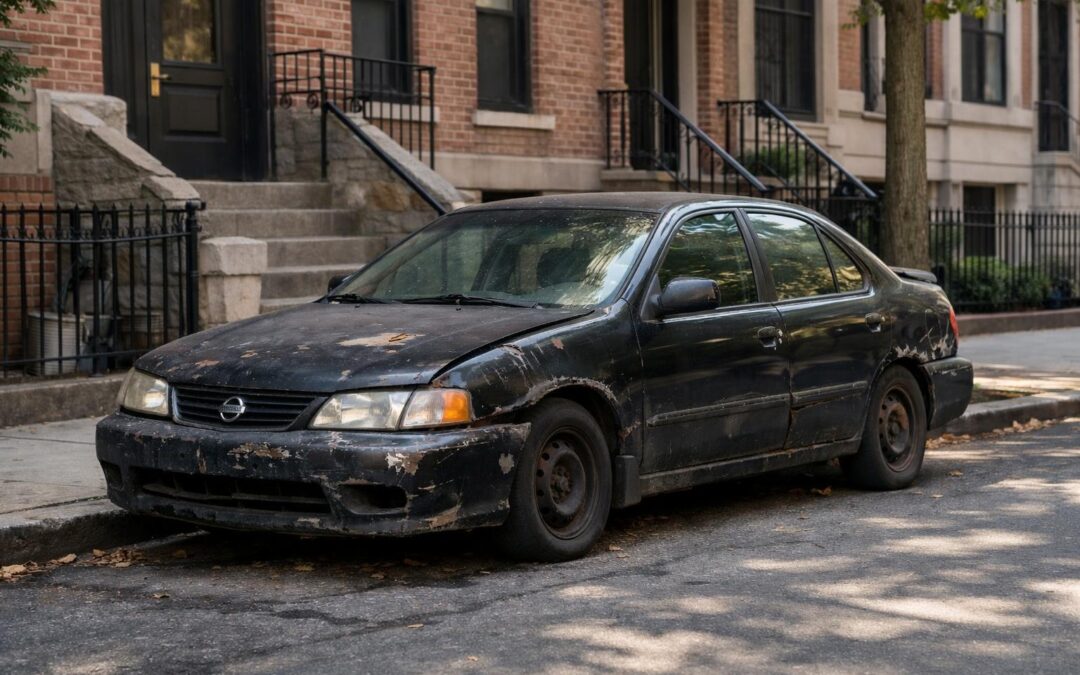
Sell My Car In New York: The Complete Step‑By‑Step Guide
Table of Contents
- Understanding the New York Car Market
- How to Prepare Your Car for Sale in New York
- Required Paperwork to Sell a Car in New York
- Pricing Strategy: How Much Is My Car Worth?
- Where to Sell My Car in New York
- Negotiating Safely and Confidently with Buyers
- Payment Methods and Title Transfer in NY
- Common Mistakes to Avoid When Selling a Car in New York
- FAQ: Selling My Car in New York
- Conclusion
Understanding the New York Car Market
When you decide to say, “I want to sell my car in New York,” your strategy needs to account for unique local market conditions. Urban density, public transportation, winter weather, and insurance costs all impact demand and pricing.
In New York City, compact, fuel‑efficient cars and hybrids often move faster than large SUVs due to limited parking and high fuel prices. Outside the city, especially in suburban and upstate areas, all‑wheel‑drive SUVs and trucks can command a premium because of winter driving needs.
Timing also matters. Spring and early summer typically see more buyers, including students, recent graduates, and families preparing for road trips. Winter months can be slower, but serious buyers may be more motivated to close deals quickly.
How to Prepare Your Car for Sale in New York
Proper preparation can significantly increase the price and reduce the time it takes to sell your car in New York.
Clean and Detail Inside and Out
- Exterior wash and wax: Remove salt, grime, and minor surface contaminants.
- Interior deep clean: Vacuum carpets, clean upholstery, wipe down dashboards, and remove personal items.
- Odor removal: Address smoke, pet, or food odors with professional cleaning if needed.
Handle Affordable Repairs
You do not have to make the car perfect, but fixing small issues can make it easier to sell:
- Replace burned‑out bulbs and wiper blades.
- Top off or change essential fluids (oil, coolant, washer fluid).
- Address inexpensive cosmetic issues such as loose trim or missing hubcaps.
Collect Service and Maintenance Records
New York buyers are often wary of rust, flood damage, and neglected maintenance. Having organized records can build trust and justify a higher asking price.
- Gather receipts for oil changes, brake jobs, and tires.
- Print out any digital service history you may have.
- Have your most recent inspection report ready if available.
Required Paperwork to Sell a Car in New York
To legally sell your car in New York, you must complete specific documents correctly. Incomplete paperwork can delay or even cancel the sale.
Essential Documents
- Vehicle title: Also called a Certificate of Title, needed to transfer ownership.
- Bill of sale: Records the sale price, date, and buyer/seller information.
- Odometer disclosure: Required for most vehicles under a certain age and weight.
- Valid ID: A government‑issued photo ID to verify your identity.
Plates, Registration, and Insurance
New York has specific rules about license plates and registration when you sell a car:
- As the seller, you typically remove the license plates before the buyer drives away.
- You should return plates to the DMV or transfer them to another vehicle you own, if allowed.
- Cancel or adjust your insurance policy immediately after the sale and plate return to avoid extra charges.
Recording the Sale
Always keep copies of the signed title and bill of sale. These documents help protect you from tickets, tolls, or legal issues incurred by the buyer after the sale.
Pricing Strategy: How Much Is My Car Worth?
To effectively sell my car in New York, you need a realistic price that reflects the local market, your vehicle’s condition, and current demand.
Key Pricing Factors
- Make, model, and year: Some brands and models hold value better than others.
- Mileage: Lower mileage can significantly increase value, especially in New York’s stop‑and‑go traffic environment.
- Condition: Rust, dents, interior wear, and mechanical issues affect price.
- Vehicle history: Accidents, flood damage, and branded titles reduce value.
- Location: Manhattan prices may differ from Long Island or upstate regions.
Sample Pricing Comparison Table
| Scenario | Condition | Approximate Price Range (Example) | Notes |
|---|---|---|---|
| Private sale in NYC | Very good, low mileage | Highest range | More buyers, but more competition |
| Private sale upstate | Good, average mileage | Medium to high | Demand for AWD and winter‑ready vehicles |
| Trade‑in at dealer | Any | Lower than private sale | Convenient, fast, but less money overall |
| Sell to car buying service | Fair to good | Medium | Quick sale, easy process |
Setting Your Asking Price
- Review similar listings in your specific New York area.
- Adjust slightly higher than your minimum acceptable price to leave room for negotiation.
- Be prepared to explain how you arrived at your price, using maintenance records and condition as evidence.
Where to Sell My Car in New York
You have several options for selling a car in New York, each with pros and cons in terms of time, price, and convenience.
Private Party Sale
Selling directly to another individual often brings the best price, but requires more effort.
- Pros: Highest potential payout, full control over price.
- Cons: Requires marketing, meeting strangers, and negotiating.
Dealership Trade‑In
Trading in your car at a dealership is convenient, especially if you are purchasing another vehicle.
- Pros: Fast process, dealer handles most paperwork.
- Cons: Usually lower value than selling privately.
Car Buying Services and Local Buyers
Professional car buying services or local used‑car buyers in New York can make you an offer quickly.
- Pros: Quick evaluation, instant or same‑day payment in many cases.
- Cons: Price may be below private market value.
Word of Mouth and Local Networks
In many New York neighborhoods and communities, local networks spread information rapidly.
- Tell colleagues, neighbors, and friends you are selling your car.
- Use community boards or local groups where allowed.
- Be ready with photos and details so potential buyers can decide quickly.
Negotiating Safely and Confidently with Buyers
Once potential buyers start contacting you, your negotiation skills will determine how much you actually receive for your vehicle.
Safety Considerations in New York
- Meet in public, well‑lit locations, such as busy parking lots.
- Bring a friend or family member to the meeting when possible.
- Do not share unnecessary personal information such as your full home address until necessary.
Test Drive Guidelines
- Verify the buyer’s driver’s license before a test drive.
- Accompany the buyer during the drive and choose a safe, familiar route.
- Do not hand over keys or documents until payment is confirmed.
Negotiation Tips
- Set a clear minimum price in your mind before meeting.
- Use facts: mileage, recent maintenance, and condition to justify your price.
- Be polite but firm; if an offer is too low, you can simply say no and wait for another buyer.
Payment Methods and Title Transfer in NY
Properly handling payment and transferring ownership protects both you and the buyer when you sell a car in New York.
Safe Payment Options
- Certified bank check: Meet at the issuing bank so you can verify authenticity.
- Cash: Suitable for smaller amounts; count money in a secure location.
- Bank transfer or wire: Confirm funds have cleared before handing over the keys.
Title Transfer Steps
- Fill out the title accurately with buyer and seller information.
- Record the date of sale and final purchase price.
- Both parties sign where required.
- Provide the buyer with the title and a bill of sale.
After the Sale
- Remove license plates and return or transfer them as required.
- Cancel your insurance or update it for your new vehicle.
- Keep copies of all documents for your records.
Common Mistakes to Avoid When Selling a Car in New York
Avoiding frequent errors will make the process smoother and safer.
- Underpricing or overpricing: Unrealistic prices can either cost you money or drive away buyers.
- Incomplete paperwork: Missing signatures or incorrect information can cause legal and financial issues.
- Not disclosing issues: Failing to mention known mechanical problems can lead to disputes later.
- Accepting risky payment methods: Avoid accepting personal checks or unconventional online payments from strangers.
- Leaving plates on the car: This can result in tickets or tolls being linked to you after the sale.
FAQ: Selling My Car in New York
How do I legally sell my car in New York?
To legally sell your car in New York, you must have a valid title in your name, complete and sign the title transfer to the buyer, provide a bill of sale, remove your license plates, and ensure that the buyer receives all necessary documents. You should also notify your insurance company and handle plate return or transfer as required.
Do I need a bill of sale if I already have the title?
Yes, a bill of sale is strongly recommended and often required for documentation and tax purposes. It records the sale price, date, and identities of both parties, and helps protect you if any issues arise after the sale.
Can I sell my car in New York if I still owe money on it?
You can sell a financed car, but you must pay off the remaining loan balance before or at the time of sale so that the lender can release the title. Many sellers coordinate with their lender and the buyer at the bank, where payment is made and the title is transferred.
What is the best way to get paid when I sell my car in New York?
Secure methods include certified bank checks, verified in person at the issuing bank, or direct bank transfers where you wait until funds clear before handing over the keys. Large cash transactions should be handled in a safe location, and personal checks are generally risky.
Do I have to get my car inspected before selling it in New York?
You are not always required to get a fresh inspection before selling, but having a recent inspection can help reassure buyers and may justify a higher price. The buyer will eventually need a valid inspection to register and drive the car legally.
Should I trade in my car or sell it privately in New York?
If you prioritize convenience and speed, a trade‑in or car buying service may be best, even though you will usually receive less money. If your main goal is to maximize the amount you receive, selling privately typically yields more but requires more time, effort, and negotiation.
Can I sell my car “as‑is” in New York?
Yes, you can sell your car “as‑is,” meaning the buyer accepts the current condition without guarantees. However, you must still be honest about known issues and avoid misrepresenting the car’s condition, mileage, or history.
What happens to my license plates when I sell my car?
In most cases, you remove your New York plates before the buyer takes the car. You can return them to the DMV or transfer them to another vehicle, depending on your situation. Leaving plates on a car you have sold can expose you to traffic tickets, toll charges, and other liabilities.
How long does it usually take to sell a car in New York?
The time frame varies widely. A well‑priced, popular model in good condition can sell in a few days, especially in major metropolitan areas. Niche or high‑mileage vehicles may take several weeks or longer. Proper pricing, good photos, and clear communication significantly reduce the selling time.
Do I need to pay taxes when I sell my car in New York?
As a private seller, you typically do not pay sales tax on the transaction; the buyer pays tax when registering the vehicle. However, you should accurately record the sale price on your documents, since underreporting can lead to penalties for the buyer and raise questions about the sale.
Conclusion
When you decide, “I want to sell my car in New York,” preparation, accurate pricing, and proper paperwork are the keys to a smooth and profitable transaction. By understanding the local market, presenting your vehicle honestly, using safe payment methods, and completing the title transfer correctly, you can confidently navigate the process and secure a fair price for your car anywhere in New York State.