
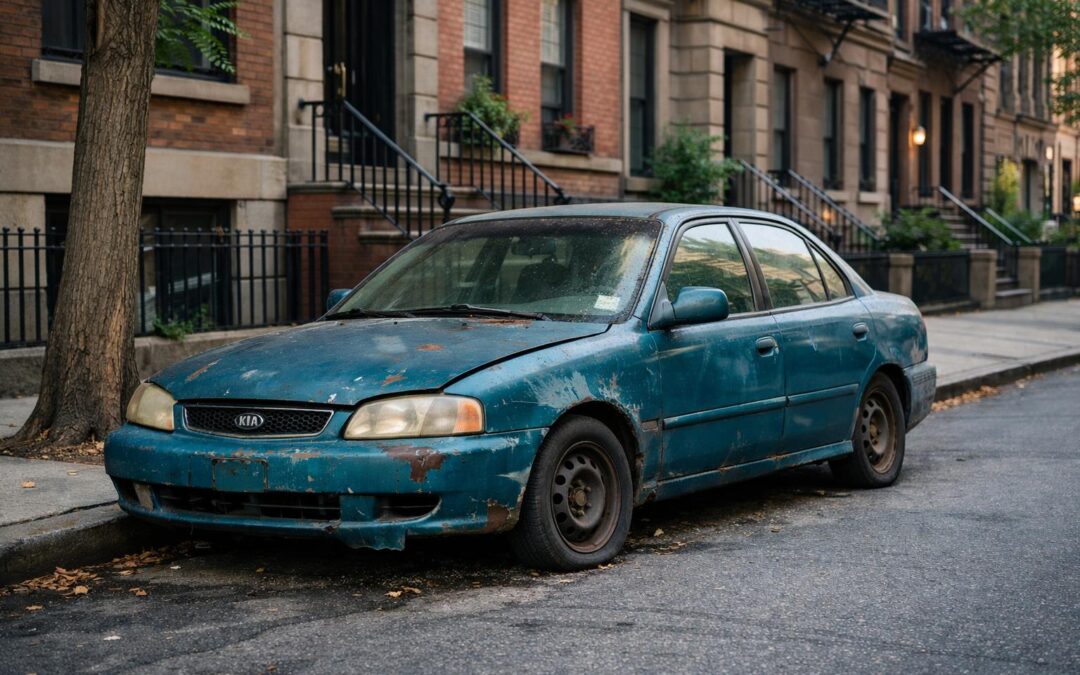
Cash For Non Running Cars: How To Sell A Broken Vehicle For Top Dollar
Table of Contents
- What Does “Cash For Non Running Cars” Really Mean?
- Types of Non Running Cars You Can Still Sell
- Who Buys Non Running Cars?
- How To Maximize Your Payout For a Non Running Vehicle
- Documents You Need Before Selling
- Step‑By‑Step Process To Sell a Non Running Car
- Common Mistakes To Avoid
- Sample Price Ranges For Non Running Cars
- Frequently Asked Questions About Cash For Non Running Cars
- Conclusion: Turn That Non Running Car Into Fast Cash
What Does “Cash For Non Running Cars” Really Mean?
The phrase cash for non running cars refers to companies or individuals who buy vehicles that do not start, drive, or pass inspection, and pay you cash or instant electronic payment. Instead of repairing an old or damaged vehicle, you can sell it “as‑is” and let a buyer handle the towing, dismantling, or recycling.
Many people assume a car must start and drive to have value. In reality, the metal, parts, and even a branded title can be worth real money, especially when you work with buyers who specialize in non running vehicles.
Types of Non Running Cars You Can Still Sell
You do not need a perfect vehicle to get cash. Buyers often accept a wide range of conditions and damage levels.
Common Non Running Conditions
- Mechanical failure: Blown engine, seized motor, major transmission failure, or failed timing belt.
- Electrical issues: Car will not start due to wiring, ECU, or battery problems that are too expensive to fix.
- Accident damage: Totaled, frame damage, or deployed airbags making the car unsafe or too costly to repair.
- Flood or fire damage: Vehicles written off by insurance after natural disasters or internal fires.
- High‑mileage wear: Old cars that no longer pass inspection, emissions, or safety tests.
- Missing parts: Vehicles partly stripped, with missing wheels, catalytic converter, or body panels.
Even if your car has multiple issues, it can still have resale, scrap, or parts value in the “cash for non running cars” market.
Who Buys Non Running Cars?
When you look for cash for non running cars, you will find several types of buyers. Each has different goals and pricing strategies.
Local and Online Car Buyers
- Junk and salvage yards: Often buy non running cars for scrap metal and parts, typically paying based on weight, condition, and current metal prices.
- Specialized car removal services: “Cash for cars” or “we buy any car” companies that focus on non running and damaged vehicles.
- Used parts dealers: Businesses that dismantle cars and resell working components.
- Independent mechanics and rebuilders: People who repair salvage vehicles for resale.
- Private buyers: Hobbyists or individuals looking for a project or parts for their own car.
Different buyers may offer very different prices for the same non running vehicle. Getting several quotes can lead to significantly higher payouts.
How To Maximize Your Payout For a Non Running Vehicle
You can often increase the cash offer you receive with a few simple steps and some basic preparation.
Gather Detailed Information
- Know your VIN: The Vehicle Identification Number helps buyers check history, parts compatibility, and title status.
- Be honest about damage: Accurate descriptions avoid last‑minute price drops when the buyer arrives.
- List major features: Trim level, engine size, special packages, and recent upgrades or replacements.
Improve Perceived Value
- Clean out personal items: A tidy interior makes inspection faster and more pleasant.
- Locate keys and remotes: Missing keys can lower your offer because the buyer must replace or reprogram them.
- Identify valuable components: Catalytic converters, newer tires, and upgraded stereos can influence offers.
Compare Multiple Offers
- Request quotes from at least three different cash for non running cars services.
- Confirm whether towing is free or deducted from the final payout.
- Ask about any “inspection fee” or cancellation charges before you agree.
Documents You Need Before Selling
Having the proper paperwork ready makes the sale fast, legal, and stress‑free.
- Vehicle title: The most important document, often required to transfer ownership. If lost, you may need to request a duplicate from your local authority.
- Photo ID: Valid driver’s license or government‑issued identification.
- Registration (if available): Helps confirm ownership and vehicle details.
- Loan payoff or release: If there is a lien, you may need a payoff letter or proof the loan has been satisfied.
- Maintenance or repair records: Not mandatory, but can support a higher offer if key parts were recently replaced.
Always follow local regulations for signing over the title, reporting the sale, and removing your plates or tags.
Step‑By‑Step Process To Sell a Non Running Car
The process to get cash for non running cars is usually simpler than selling a regular used car, especially if towing is included.
-
Collect vehicle information.
Write down the year, make, model, VIN, current mileage (if available), and a list of known issues or damage.
-
Request multiple quotes.
Contact several buyers, provide the same info, and ask for an all‑inclusive cash offer with towing.
-
Compare terms, not just price.
Check how fast they can pick up the car, how they pay (cash, check, or electronic), and any fees or conditions.
-
Schedule pickup and prepare the car.
Remove personal items, license plates (if required), and have the keys and title ready.
-
Complete paperwork at pickup.
Sign the title correctly, obtain a bill of sale if needed, and keep a copy or photo of what you sign.
-
Receive payment and confirm transfer.
Make sure the payment method clears, then notify your insurance and local authority that you sold the vehicle.
Common Mistakes To Avoid
Many sellers lose money or deal with unnecessary problems because of simple misunderstandings.
- Accepting the first offer: Without comparing, you may miss out on a much better payout.
- Not verifying the buyer: Always check the company name, address, and how long they have been in business.
- Leaving plates on the vehicle: In many areas, you must remove plates or you could be responsible for future tickets or tolls.
- Forgetting to cancel insurance: You might pay for coverage on a car you no longer own.
- Signing a blank or incomplete title: Fill in all required sections to protect yourself from title fraud.
- Over‑investing in repairs: Spending a lot to fix a non running car before sale can quickly exceed its value.
Sample Price Ranges For Non Running Cars
The amount of cash for non running cars can vary widely based on brand, age, condition, demand for parts, and metal prices. The table below shows example ranges only and does not represent guaranteed offers.
| Vehicle Type/Condition | Typical Age | Example Price Range (USD) | Main Value Source |
|---|---|---|---|
| Compact car, engine failure | 10–15 years | 200 – 800 | Scrap metal, basic parts |
| Mid‑size sedan, high mileage, non running | 8–12 years | 300 – 1,200 | Resale parts, catalytic converter |
| Full‑size SUV or truck, blown transmission | 5–12 years | 600 – 3,000 | Desirable parts, body, and frame |
| Luxury car, electrical issues | 5–10 years | 700 – 4,000+ | High‑value components, interior, electronics |
| Severely damaged or stripped shell | 15+ years | 100 – 400 | Scrap weight only |
These ranges depend on your location, season, and buyer type. The same non running car might be worth more to a parts dealer than to a basic scrap yard.
Frequently Asked Questions About Cash For Non Running Cars
Do I need a title to get cash for a non running car?
Most legitimate buyers prefer or require a title to complete the sale. In some locations, you can sell a vehicle without a title under specific conditions, but you may receive less money and face extra paperwork. It is usually best to obtain a replacement title before selling.
Will buyers charge me for towing a non running car?
Many cash for non running cars services include towing at no additional cost and factor it into their offer. Others may quote a higher price and then deduct towing fees later. Always confirm whether towing is free and if there are any mileage limits or extra charges.
Can I sell a non running car with a loan or lien on it?
Yes, but the process is more complex. Typically the buyer must pay the lender directly to clear the lien, then you receive any remaining amount. You will need payoff information from your lender and may need to meet at a bank or office to finalize the paperwork.
How fast can I get cash for a non running car?
Many buyers can complete pickup and payment within 24–72 hours once you accept their offer. The exact timing depends on your location, the buyer’s schedule, and whether your paperwork is ready. Having your title and keys on hand speeds up the process.
Is it better to part out my non running car myself?
Parting out a vehicle can yield more total money in some cases, but it requires time, tools, space, and knowledge. You also must advertise and ship parts or deal with local buyers. For most owners, a direct cash for non running cars sale is faster and more convenient, even if the total payout is slightly lower.
Will I get more money if I fix the car before selling?
Only sometimes. Major repairs like engines and transmissions can cost more than the extra value you gain. Before investing, compare the repair estimate with realistic sale prices for both running and non running conditions. In many cases, selling the car as‑is is the smarter financial choice.
What happens to my non running car after I sell it?
Depending on its condition, the buyer may repair and resell it, dismantle it for parts, or send it to a recycling facility for scrap metal. Usable fluids and materials are often drained and processed according to local environmental rules.
Can I still sell a non running car that failed emissions or inspection?
Yes. Many buyers focus on cars that cannot legally be driven in their current state. They may repair them to meet standards, use them for parts, or sell them in markets where different regulations apply.
Do I have to be present when the car is picked up?
In most cases, yes, because you must sign paperwork and hand over keys and the title. Some services allow remote transactions with notarized documents, but requirements vary by region. Always follow local laws for title transfer.
Is it safe to accept cash from a tow driver?
It can be safe if you verify the company first, meet in a visible location, and count the money before signing anything. Some sellers prefer a cashier’s check or electronic payment for added security and easier record‑keeping.
Conclusion: Turn That Non Running Car Into Fast Cash
Non running cars take up space, lose value over time, and can even create safety or code issues if they sit too long. By understanding how the cash for non running cars process works, preparing your paperwork, and comparing several offers, you can turn a broken vehicle into quick, hassle‑free cash.
Instead of paying for storage, insurance, or costly repairs, consider selling your non running car as‑is. With the right buyer, you can free up your driveway, avoid ongoing expenses, and walk away with money in your pocket.