Buy My Junk Car: How to Get the Most Cash for Your Clunker
Table of Contents
- What Does “Buy My Junk Car” Actually Mean?
- Is Your Vehicle Really a Junk Car?
- How Junk Car Buyers Make Money (And Why It Matters to You)
- Steps to Take Before You Say “Buy My Junk Car”
- How to Get Multiple Offers and Compare Quotes
- Understanding Title, Registration, and Legal Requirements
- Free Towing, Same-Day Pickup, and Payment Options
- Common Scams and Red Flags to Avoid
- Frequently Asked Questions About Selling a Junk Car
- Conclusion: Turn “Buy My Junk Car” Into Fast Cash
What Does “Buy My Junk Car” Actually Mean?
When you search for “buy my junk car”, you are usually looking for a company or individual willing to pay cash for a vehicle that is no longer worth repairing or driving. These buyers specialize in:
- Non-running or barely running vehicles
- Totaled, salvaged, or severely damaged cars
- High-mileage vehicles with costly mechanical issues
- Old cars that cannot pass inspection or emissions tests
Unlike traditional private buyers or dealerships, junk car buyers are not interested in driving your vehicle. They care about its parts, metal, and recycling value. Understanding this is the key to getting the best deal when you say, “Who will buy my junk car?”
Is Your Vehicle Really a Junk Car?
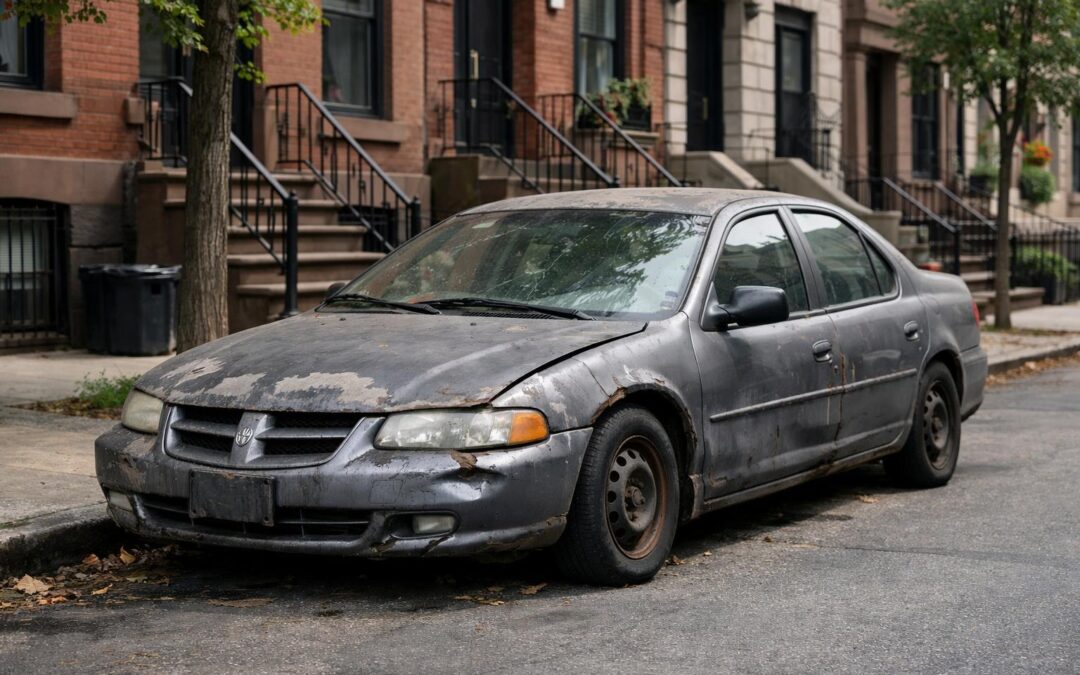
Not every old or damaged car is truly “junk.” In fact, some vehicles that owners write off as worthless still have significant resale value, either as repairable cars or as sources of valuable parts. Consider these factors:
- Age: Vehicles older than 10–15 years are more likely to be treated as junk, especially if they need major repairs.
- Condition: Does it start? Does it move? Major engine or transmission failures push it toward junk status.
- Title Status: Clean title cars generally fetch more than salvaged or branded titles.
- Accident History: Severe frame or flood damage often makes repairs uneconomical.
- Market Demand: Popular makes and models may be more valuable for parts.
You might think, “No one would buy my junk car in this condition,” but specialized buyers often will. Even a shell with missing parts can be worth something as scrap metal.
How Junk Car Buyers Make Money (And Why It Matters to You)
Knowing how buyers profit from junk cars helps you understand their offers and negotiate better. Most junk car buyers make money in three main ways:
- Scrap Metal Value: They sell the car’s metal by weight to scrap yards.
- Usable Parts: They remove and resell engines, transmissions, catalytic converters, and other parts.
- Rebuilding or Export: Occasionally, they repair and resell cars domestically or abroad.
A buyer’s maximum offer is tied to the expected profit from your vehicle minus towing, labor, and processing costs. When you ask someone to “buy my junk car,” they quickly estimate:
- The approximate weight of your car (for scrap value)
- The demand for its parts
- The distance and cost of towing
- Any extra paperwork or title challenges
This is why different buyers may give very different quotes for the same vehicle.
Steps to Take Before You Say “Buy My Junk Car”
Preparing your vehicle and paperwork before contacting a buyer can increase your payout and avoid headaches.
1. Locate Your Title and Documents
Most reputable buyers require proof of ownership. Gather:
- Vehicle title (preferred)
- Registration (in some cases)
- Photo ID
If you do not have a title, some local junkyards or buyers may still purchase the vehicle, depending on state laws, but the offer is usually lower.
2. Remove Personal Belongings
Before someone comes to “buy my junk car,” thoroughly clean it out:
- Check glove compartment, center console, and door pockets
- Look under seats, in seatback pockets, and trunk
- Remove toll tags, garage openers, and phone mounts
3. Take Out Aftermarket Accessories
If you installed expensive stereo systems, rims, or other upgrades you can reuse or sell separately, remove them beforehand when possible.
4. Get a Basic Condition Snapshot
Buyers will ask key questions:
- Does it start?
- Can it drive?
- Major known issues?
- Missing parts?
- Accident or flood damage?
Having honest answers ready speeds up the process and leads to more accurate offers.
How to Get Multiple Offers and Compare Quotes
To get the best price when you want someone to “buy my junk car,” never accept the first offer without comparing it.
Gathering Quotes
Reach out to several types of buyers:
- Local junkyards and salvage yards
- Dedicated cash-for-junk-car services
- Independent scrappers or tow operators
Provide consistent details to each buyer so their quotes are comparable.
Key Information to Share
- Year, make, and model
- Approximate mileage
- Vehicle Identification Number (VIN), if requested
- Overall condition and major damage
- Title status (clean, salvage, missing, etc.)
- Location of the vehicle and whether it runs
Using a Comparison Table
When you have multiple offers to buy your junk car, use a simple table to compare them:
| Buyer | Offer Amount | Towing Cost | Title Required? | Payment Method | Pickup Timeframe |
|---|---|---|---|---|---|
| Buyer A | $400 | Free | Yes | Cash | Same Day |
| Buyer B | $450 | $50 | Yes | Check | 24–48 Hours |
| Buyer C | $350 | Free | No | Cash | Same Day |
The best option is not always the highest offer. Consider free towing, speed of pickup, and whether you have the required paperwork.
Understanding Title, Registration, and Legal Requirements
Legal requirements vary by state or region, but a few general principles apply almost everywhere when you ask someone to buy your junk car.
Title Transfer
In most places, you must:
- Sign the title over to the buyer
- Fill out the odometer reading (if applicable)
- Include sale date and price (sometimes listed as “junk” or “parts”)
Always verify local laws and keep a copy or photo of the signed title for your records.
Bill of Sale
Some areas require or at least recommend a bill of sale that includes:
- Buyer and seller names and addresses
- Vehicle description and VIN
- Sale date and price
- Signatures of both parties
Canceling Insurance and Registration
- Contact your insurance company to cancel coverage after the sale.
- Return or destroy license plates if required by your jurisdiction.
- Notify the DMV or equivalent agency that you sold or junked the vehicle.
Important: Never leave license plates or active registration on a vehicle you have sold as junk. You could be held liable for tickets, tolls, or other issues.
Free Towing, Same-Day Pickup, and Payment Options
Convenience is a major benefit of working with a company that specializes in “buy my junk car” transactions.
Free Towing
Many junk car buyers include towing at no extra cost. This is especially valuable if your car:
- Does not start
- Cannot move safely
- Is missing wheels or major components
Confirm whether towing is truly free or deducted from the offer amount.
Same-Day or Next-Day Pickup
Depending on your location and the buyer’s schedule, you may receive:
- Same-day pickup and payment
- Guaranteed pickup within 24–48 hours
- Flexible appointment times
Payment Methods
Common payment methods when someone buys your junk car include:
- Cash on pickup
- Certified bank check
- Electronic transfer (less common for local scrappers)
Always confirm how and when you will be paid before your car is loaded onto a tow truck.
Common Scams and Red Flags to Avoid
Most junk car buyers are legitimate, but you should remain cautious. Watch for these warning signs:
1. Price Changes at Pickup
A buyer offers a high quote over the phone but lowers it dramatically upon arrival, claiming undisclosed damage.
- Avoid: Buyers who pressure you to accept a lower price on the spot.
- Do: Insist on the original quoted range unless major discrepancies exist.
2. No Paperwork or Written Agreement
A legitimate buyer should be willing to provide a receipt, bill of sale, or at least a simple written record.
3. Asking You to Leave the Title Blank
Never hand over a signed but otherwise blank title. Always complete the buyer’s information and sales details.
4. Delayed or Partial Payment
Be wary of promises like “We will send the rest of the money later” or “We will pay after we scrap it.” Payment should be made at pickup or as clearly agreed in advance.
5. Unlicensed or Suspicious Operators
It is safer to work with buyers that are properly licensed where required by law. If something feels off, you can always decline the deal.
Frequently Asked Questions About Selling a Junk Car
1. How much money can I get when someone buys my junk car?
The amount depends on the vehicle’s weight, condition, make and model, and current scrap metal prices. Offers can range from as little as $50 for very small, badly damaged vehicles to several hundred dollars or more for larger, heavier cars or those with valuable parts.
2. Can I sell my junk car without a title?
In some locations, yes, but it is more complicated and the payout is usually lower. Many reputable buyers require a title to protect themselves from stolen or illegally obtained vehicles. Check your local laws and ask buyers directly about their requirements.
3. Do I need to repair my car before selling it as junk?
No. You generally should not spend money on repairs if you plan to sell the car as junk. Buyers are interested in the salvage and scrap value, not in how well it drives. Only extremely minor and cheap fixes that significantly improve the perceived condition might be worth considering.
4. How long does the “buy my junk car” process take?
In many cases, you can receive an offer within minutes and schedule pickup within 24–48 hours. The actual pickup, payment, and paperwork typically take 15–30 minutes once the tow truck arrives.
5. Should I remove my license plates before the car is towed?
Yes. In most areas, you should remove the plates and either return them to the DMV or dispose of them according to local regulations. Leaving plates on the vehicle can create legal and financial problems if the car is not processed correctly.
6. What if my junk car is missing parts or has severe damage?
Missing parts and major damage will lower the offer but rarely make the car unsellable. Be honest when describing the condition so the buyer can give a realistic quote. Even a stripped shell often has scrap metal value.
7. Can a junk car still be sold if it does not start or move?
Yes. Many buyers specialize in non-running vehicles and provide towing. The fact that it does not start is already assumed in most junk car purchases, and free or discounted towing is typically included.
8. Is it better to donate or junk my old car?
It depends on your priorities. Donating may provide a tax deduction if you itemize deductions, while selling to a junk car buyer gives you immediate cash. If your vehicle is in very poor condition, some charities may not accept it, making a junk buyer the more practical option.
9. Do I need to be present when they buy my junk car?
In many places, the titled owner or an authorized representative must be present to sign paperwork and hand over the keys and title. Some buyers can work with remote or electronic authorization, but local laws and company policies will determine what is allowed.
10. What happens to my junk car after it is sold?
Typically, the buyer will:
- Remove valuable and reusable parts for resale
- Drain and dispose of fluids responsibly
- Crush or shred the remaining shell for scrap metal
In some cases, if the car is repairable, it may be resold at auction or exported to markets where repairs are more economical.
Conclusion: Turn “Buy My Junk Car” Into Fast Cash
Searching for someone to buy my junk car does not have to be stressful or confusing. When you understand how junk car buyers operate, gather the right paperwork, compare multiple offers, and watch for common red flags, you can quickly convert an unwanted vehicle into cash.
Take a few minutes to prepare, get several quotes, and choose a reputable buyer that offers a fair price, free towing, and clear payment terms. With the right approach, your clunker can be out of your driveway and money can be in your hand far sooner than you might think.