
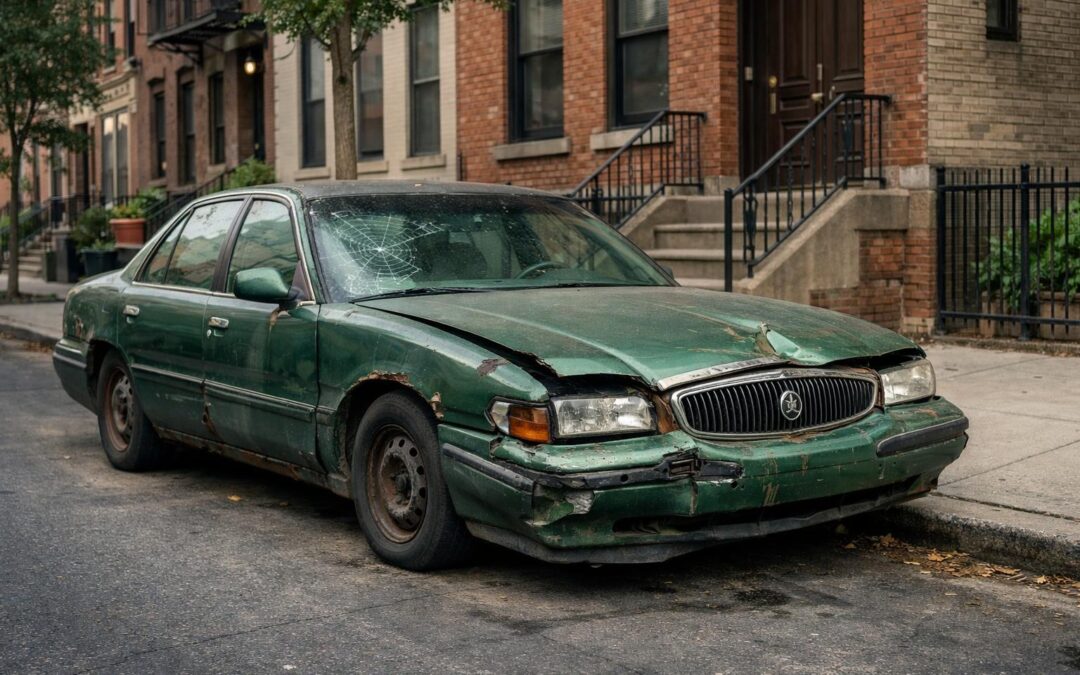
Sell My Broken Car: How to Get the Most Cash for a Damaged Vehicle
Table of Contents
- What Does It Really Mean to “Sell My Broken Car”?
- Should I Repair or Sell My Broken Car As-Is?
- Types of Broken Cars Buyers Are Willing to Purchase
- Where Can I Sell My Broken Car?
- How to Get the Best Offer When Selling a Broken Car
- Documents You Need Before You Sell a Broken Car
- Step-by-Step Process to Sell My Broken Car
- Common Mistakes to Avoid When Selling a Broken Car
- Frequently Asked Questions About Selling a Broken Car
- Conclusion: The Smart Way to Sell My Broken Car
What Does It Really Mean to “Sell My Broken Car”?
When you say, “I want to sell my broken car,” you are usually dealing with a vehicle that has mechanical issues, body damage, or both. In many cases, the car:
- Does not start or cannot be driven safely
- Has been in an accident and is considered a total loss
- Needs expensive repairs that are more than the value of the car
- Has major issues with the engine, transmission, or frame
These problems can make it hard to sell your car through traditional private buyers or dealers, but there are still ways to get cash for it.
“Broken” does not have to mean worthless. Many buyers specialize in damaged cars, whether they are running or not, and will pay based on the vehicle’s parts, scrap metal value, or potential for repair and resale.
Should I Repair or Sell My Broken Car As-Is?
Before you decide “I will sell my broken car,” you need to compare the cost of repairs with the car’s current and potential value. Ask yourself these questions:
- What is the car worth if fully repaired?
- How much will the repairs cost?
- Will the car still have hidden issues after repair?
- How long will repairs take and do I need transportation now?
In many situations, especially with older vehicles, the cost of parts and labor exceeds the car’s resale value after repair. In that case, selling it as-is can save you money and time.
Here is a basic comparison of options you might consider:
| Option | Pros | Cons | Best For |
|---|---|---|---|
| Repair then Sell | Possible higher sale price, attracts more buyers | High upfront cost, risk of new issues, time-consuming | Newer cars with limited damage |
| Sell As-Is to Private Buyer | May get more than scrap value, negotiable price | Fewer buyers, need to explain issues, may take longer | Cars that still run or have fixable issues |
| Sell to Junk or Salvage Buyer | Fast sale, usually free towing, no repairs needed | Lower offers than full retail value | Non-running or severely damaged vehicles |
| Trade-In at Dealership | Convenient, applies directly to new purchase | Often the lowest offer of all options | When buying a new car immediately |
If the repair bill is close to or more than the car’s value, it usually makes sense to skip repairs and sell your broken car as-is.
Types of Broken Cars Buyers Are Willing to Purchase
The phrase “sell my broken car” covers a wide range of conditions. Many people are surprised by what buyers will actually accept. Common categories include:
- Non-running cars that will not start or move under their own power
- Accident-damaged cars with major body or frame damage
- Cars with blown engines or seized motors
- Transmission-failure vehicles that will not shift correctly or at all
- Flood- or fire-damaged vehicles with extensive but salvageable parts
- High-mileage cars that are no longer safe or cost-effective to repair
Even vehicles labeled as “totaled” by an insurance company often have value for:
- Usable parts like doors, wheels, seats, and electronics
- Scrap metal value based on weight
- Rebuild projects for specialized buyers or mechanics
This means that in most cases you can still find someone to buy your broken car, even if it looks like it belongs in a junkyard.
Where Can I Sell My Broken Car?
When you decide, “I am ready to sell my broken car,” you have several types of buyers to consider. Each has different advantages and trade-offs.
1. Local Junkyards and Salvage Yards
Junkyards and salvage yards regularly buy broken, damaged, and non-running vehicles. They typically:
- Offer quick quotes based on the make, model, year, and condition
- Arrange towing or pickup for non-running cars
- Pay on the spot, often in cash or certified funds
Their offers can vary, so it pays to get multiple quotes.
2. Specialized Damaged-Car Buyers
Some companies focus exclusively on buying wrecked or inoperable cars. They usually:
- Provide instant or same-day offers
- Handle paperwork and towing
- Buy vehicles regardless of condition
These buyers are often convenient if you want to sell your broken car quickly with minimal effort.
3. Private Buyers and Hobby Mechanics
You can also try to find a private buyer, such as a hobby mechanic or someone looking for a project car. They might:
- Pay more if they see value in repairing or parting out your car
- Be more flexible on price and condition
This route can take longer, and you should be prepared to answer detailed questions about the car’s issues.
4. Dealerships and Trade-Ins
Some dealerships will accept broken cars as trade-ins, especially if you are purchasing another vehicle from them. However:
- The offer may be significantly lower than other options
- They might factor in towing or repair costs
Still, this option can be convenient if you prefer a simple, one-stop process.
How to Get the Best Offer When Selling a Broken Car
To maximize what you receive when you sell your broken car, you should take a few simple steps before collecting offers.
1. Gather Basic Information
Most buyers will ask for:
- Year, make, and model
- Vehicle Identification Number (VIN)
- Approximate mileage
- General condition and known issues
- Whether the car runs or not
2. Be Honest About the Condition
Trying to hide issues usually backfires during pickup or inspection. Accurate descriptions help buyers:
- Give realistic offers upfront
- Avoid last-minute price changes
- Complete the sale smoothly
3. Remove Personal Belongings and Extras
Before you sell your broken car, remove:
- Personal items from the seats, trunk, and glovebox
- Aftermarket devices you want to keep, like stereos or GPS units
- Garage door openers, toll tags, and insurance documents
Presenting a clean vehicle can also make the process faster and more professional.
4. Get Multiple Quotes
Prices for broken cars can vary widely from one buyer to another. To get the best deal, you should:
- Contact at least three different buyers or companies
- Provide the same information to each
- Compare not only price, but also towing fees, payment method, and timing
Even a small difference in offers can add up, especially with heavier vehicles that have more scrap value.
5. Consider Weight and Parts Value
Many buyers calculate offers based on:
- Vehicle weight for scrap metal value
- Resale value of working components and parts
Trucks, SUVs, and larger vehicles often bring more money simply because they weigh more and have more valuable components.
Documents You Need Before You Sell a Broken Car
To smoothly sell your broken car, prepare your paperwork in advance. Common requirements include:
- Vehicle title: Proves ownership and allows you to transfer the car legally.
- Photo ID: Required in most places to confirm your identity.
- Registration: Helpful but not always required, depending on your location.
- Any loan payoff information: If there is still a lien on the car.
If you do not have the title, you may still be able to sell the vehicle, but the process can be more complicated and vary by region. You may need to:
- Apply for a replacement title
- Provide alternative proof of ownership
- Follow special rules for abandoned or unclaimed vehicles
Always follow your local laws to avoid problems after the sale.
Step-by-Step Process to Sell My Broken Car
To make the process easier, here is a simple step-by-step plan you can follow.
-
Confirm your decision to sell.
Compare repair costs with the car’s value and decide that selling is the best option.
-
Collect details and documents.
Find your title, registration, and ID, and note key details like VIN, mileage, and condition.
-
Clean out the vehicle.
Remove personal belongings, license plates if required, and anything you plan to keep.
-
Contact multiple buyers.
Reach out to junkyards, damaged-car buyers, and any local options to get several quotes.
-
Compare offers and terms.
Look at price, towing costs, timing, and payment method before choosing a buyer.
-
Schedule pickup or delivery.
Arrange a time for the buyer to inspect and tow your car, or deliver it if it still runs.
-
Complete paperwork.
Sign the title, bill of sale (if needed), and any other required documents.
-
Receive payment and finalize.
Accept payment in the agreed form and notify your insurance and local DMV or authority that the car has been sold.
Common Mistakes to Avoid When Selling a Broken Car
When people say “I want to sell my broken car,” they often rush the process and make avoidable mistakes. Watch out for these common issues:
- Accepting the first offer without comparing prices from other buyers.
- Not disclosing major problems, which can lead to disputes or reduced offers at pickup.
- Failing to transfer or cancel the title properly, leaving you responsible for tickets or issues.
- Leaving personal documents in the car, such as registration, mail, or insurance cards.
- Ignoring local laws about reporting the sale or canceling registration and plates.
- Not verifying the buyer, especially when dealing with individuals rather than established businesses.
A careful approach can protect you from legal problems and ensure you get fair value for your vehicle.
Frequently Asked Questions About Selling a Broken Car
Can I sell my broken car if it does not run at all?
Yes. Many junkyards and damaged-car buyers specialize in non-running vehicles. They typically provide towing and pay based on parts and scrap value, so a non-running car can still bring you cash.
Is it better to fix my car before selling it?
It depends on the repair cost versus the car’s value. If repairs are expensive and your car is older or already high-mileage, you may not recover your investment. In those cases, selling the car as-is is usually the smarter financial choice.
Do I need a title to sell my broken car?
In most areas, a title is required to legally transfer ownership. Without it, your options may be limited and you may need to obtain a replacement title or follow special procedures. Always check local regulations before selling.
How much money can I get for my broken car?
The amount you receive depends on factors such as make, model, year, weight, condition, and current scrap metal prices. Heavier vehicles and popular models with valuable parts usually bring higher offers, even when they are damaged.
How fast can I sell my broken car?
If you choose a junkyard or specialized damaged-car buyer, the process can often be completed in as little as one to two days. Private sales may take longer because you need to find the right buyer and negotiate a price.
Will buyers charge me for towing my broken car?
Some buyers provide free towing, while others may deduct towing costs from the offer. Always ask whether pickup is included so you can accurately compare quotes and avoid surprise fees.
What should I remove from the car before selling it?
Remove all personal belongings, including paperwork, registration, mail, garage remotes, toll tags, and any aftermarket accessories you want to keep. Check under seats, in the trunk, and in storage compartments.
Can I sell a broken car that still has a loan on it?
It is possible but more complicated. You must work with your lender to pay off the remaining balance and obtain a clear title. Some buyers will pay the lender directly, while others require you to clear the loan before selling.
Will selling my broken car affect my insurance?
Once the sale is complete, you should cancel or adjust your insurance policy. If the car was part of an insurance claim, confirm with your insurer that all claim-related steps are complete before transferring ownership.
What if my broken car was in a major accident?
Even heavily damaged or totaled cars have value to certain buyers. Provide honest details about the accident and damage, and seek quotes from salvage yards or specialized buyers that regularly handle totaled vehicles.
Conclusion: The Smart Way to Sell My Broken Car
When you decide, “I am ready to sell my broken car,” you are choosing to turn a problem vehicle into usable cash. By understanding your car’s condition, comparing repair costs, gathering multiple offers, and preparing your documents, you can complete the sale quickly and confidently.
Broken does not mean worthless. With the right approach and a bit of preparation, you can sell your broken car safely, legally, and for a fair price, freeing yourself from repair headaches and moving on to your next vehicle with peace of mind.