
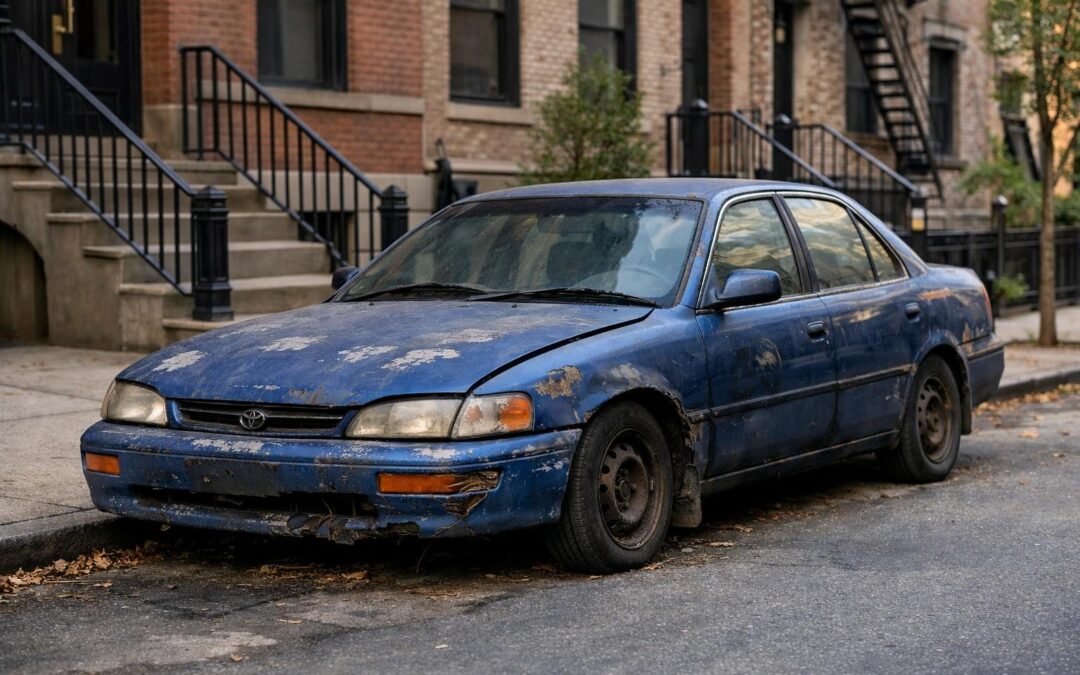
Sell My Non Running Car: The Complete Guide
Table of Contents
- Introduction: Can I Really Sell a Non Running Car?
- Step 1: Figure Out Why Your Car Is Not Running
- Step 2: Decide Whether to Repair or Sell As-Is
- Step 3: Gather Documents Before You Sell Your Non Running Car
- Step 4: Choose Where to Sell Your Non Running Car
- Step 5: How to Get the Best Price for a Non Running Vehicle
- Step 6: Towing, Pickup, and Safety Tips
- Step 7: Legal and Title Transfer Considerations
- Frequently Asked Questions About Selling a Non Running Car
- Conclusion: Turn That Non Running Car Into Cash
Introduction: Can I Really Sell a Non Running Car?
If you have ever thought, “Who would want to buy my non running car?”, you are not alone. Many owners assume a dead or broken vehicle is worthless, but that is rarely true. Even when a car will not start, it can still have value as:
- A project car for mechanics or hobbyists
- A source of valuable parts
- Scrap metal for recycling
- A rebuild candidate for resellers
The key is understanding how to position, price, and sell your non running car safely and profitably. This guide walks you through every step, from diagnosis to paperwork to final pickup.
Step 1: Figure Out Why Your Car Is Not Running
Before you list your car for sale, try to understand what is wrong with it. You do not have to be a mechanic, but a basic description of the problem will help buyers estimate repair costs and make better offers.
Common Reasons Cars Stop Running
- Dead battery or alternator issues
- Blown head gasket or engine failure
- Transmission failure or slipping gears
- Severe overheating or coolant leaks
- Fuel system problems (pump, injectors, clogged filter)
- Electrical issues that prevent starting or running
If possible, get a mechanic to perform a basic inspection or diagnostic. Even a simple written estimate or verbal opinion like “likely needs a new transmission” can increase buyer trust and justify your asking price.
The more detail you can provide about why your car is not running, the easier it is to attract serious buyers and avoid time-wasting questions.
Step 2: Decide Whether to Repair or Sell As-Is
Once you know the general issue, you must decide whether to fix the car or sell it in non running condition. To make a smart choice, compare the repair cost with the realistic market value of the car if it were running.
| Scenario | Estimated Repair Cost | Estimated Car Value (Running) | Recommended Choice |
|---|---|---|---|
| Minor issue (battery, starter, simple sensor) | Low | Moderate to High | Usually repair first, then sell |
| Major engine or transmission failure | High | Low to Moderate | Sell as-is in non running condition |
| Older car with rust and high mileage | Moderate to High | Low | Sell for parts or scrap |
| Popular model with strong parts demand | Varies | Moderate | Compare parts/scrap offers vs repair |
Key Questions to Ask Yourself
- Will repairing the car cost more than it is worth once running?
- How quickly do I need to sell my non running car?
- Am I comfortable dealing with private buyers, or do I prefer a simple, fast sale?
- Is the car sentimental, or is it purely a financial decision?
If repair costs are close to or higher than the car’s potential resale value, selling your non running car as-is is usually the most sensible choice.
Step 3: Gather Documents Before You Sell Your Non Running Car
Paperwork is one of the most overlooked steps when people decide to sell a non running vehicle. Having the right documents ready makes the sale smoother and protects you from future liability.
Essential Documents
- Vehicle title: Proves ownership and is required for most legal sales.
- Photo ID: Some buyers will request a copy for their records.
- Registration: Helpful to verify vehicle information.
- Repair records and receipts: Show maintenance history and any recent work.
- Loan payoff or lien release if you financed the car.
What If You Do Not Have the Title?
Selling a non running car without a title is possible in some regions, but it is more complicated. You may need to:
- Request a duplicate title from your motor vehicle department.
- Provide a bill of sale and additional proof of ownership.
- Sell the vehicle only for parts or scrap where allowed.
Always check your local regulations before committing to a sale without a title.
Step 4: Choose Where to Sell Your Non Running Car
There are multiple ways to sell a non running car, and each has pros and cons. Your choice depends on how quickly you want to sell, how much effort you are willing to invest, and the condition of your vehicle.
Common Selling Options
-
Private buyers
Often pay more, especially for desirable models, but expect more questions, negotiations, and scheduling challenges.
-
Local mechanics or hobbyists
May buy your non running car as a project, particularly if it is a popular or rare model.
-
Junkyards and salvage yards
Offer fast, usually guaranteed purchases for parts and scrap value. Payment may be lower, but the process is simple.
-
Dealership trade-ins
Some dealers accept non running cars on trade when you buy another vehicle, though you might receive less than in a private sale.
-
Recyclers and scrap metal buyers
Suitable when the car is severely damaged, rusted, or stripped, and other options are limited.
How to Describe Your Non Running Car
When you list or offer your car, include:
- Year, make, model, and trim
- Approximate mileage
- Known issues and what caused it to stop running
- Any recent repairs or new parts installed
- Vehicle identification number (VIN) if requested
Clear, honest descriptions attract serious buyers and reduce renegotiation at pickup.
Step 5: How to Get the Best Price for a Non Running Vehicle
Even though your car is not drivable, you still have leverage. The goal is to highlight remaining value while being transparent about its condition.
Increase Perceived Value
- Clean the interior and exterior so the car looks cared for.
- Remove personal items and trash to present it professionally.
- Gather spare keys, manuals, and accessories to include in the sale.
- List any working features, such as a good stereo, new tires, or intact body panels.
Pricing Strategy
- Look up the market value for your car in running condition.
- Subtract estimated repair costs if known.
- Consider parts value, especially if the engine, transmission, or body panels are still good.
- Get multiple offers from salvage yards, recyclers, or private buyers before deciding.
Avoid accepting the first offer unless you are in a hurry. Comparing a few quotes can reveal a significant difference in what you can get for your non running car.
Step 6: Towing, Pickup, and Safety Tips
Because the car does not run, transportation is a major part of your sale plan. Decide early who is responsible for towing and how pickup will work.
Transportation Options
- Buyer-arranged towing: Common with salvage yards and some private buyers.
- Your own tow or flatbed service: Gives you more control but adds cost.
- Roadside assistance benefits: Sometimes can move the vehicle once if you still have coverage.
Safety Tips When Meeting Buyers
- Meet during daylight hours if possible.
- Have a friend, family member, or neighbor present.
- Keep keys and title secure until payment is completed.
- Use secure and verifiable payment methods where available, and be cautious with large amounts of cash.
Make sure the driveway or storage area is accessible for a tow truck, and clear obstacles in advance to avoid delays.
Step 7: Legal and Title Transfer Considerations
When you sell your non running car, the legal transfer is as important as getting paid. Proper paperwork protects you from tickets, fees, or responsibility if the vehicle is misused later.
Title Transfer Steps
- Fill out the title with buyer information exactly as required in your region.
- Record the correct odometer reading if required.
- Sign in the right areas as the seller.
- Provide a bill of sale with date, price, and “as-is, no warranty” language if appropriate locally.
After the Sale
- Submit a notice of transfer or release of liability to your motor vehicle department if required.
- Remove your license plates if your location requires it.
- Cancel insurance once the car is no longer in your possession.
- Keep a copy of the signed bill of sale and any supporting documents.
Taking these steps helps ensure that parking tickets, toll violations, or accidents involving the vehicle after the sale are not traced back to you.
Frequently Asked Questions About Selling a Non Running Car
Can I sell my non running car if it has been sitting for years?
Yes. Even if your car has been parked for a long time, it can still be sold for parts, project value, or scrap. Be honest about how long it has sat and whether you have tried to start it recently.
Do I have to tell buyers exactly what is wrong with the car?
You should disclose all known issues to avoid disputes and protect yourself legally. If you are unsure what is wrong, say so clearly and describe any symptoms, such as strange noises, smoke, or when it stopped running.
How much is my non running car worth?
Value depends on the make, model, age, mileage, condition, and local demand for parts. Start by researching its value in running condition, then subtract likely repair costs and compare offers from salvage yards, private buyers, and other sources.
Is it better to part out the car myself or sell it whole?
Parting out a car can yield more money overall, but it takes time, space, tools, and knowledge, plus effort to ship or deliver each part. Selling the car whole is faster and easier, which many owners prefer when searching for a simple “sell my non running car” solution.
Can I sell my non running car if I still owe money on it?
Yes, but you must work with your lender. Typically, the loan must be paid off or the lender must agree to release the title. In some cases, the sale price will not fully cover the loan, and you will need to pay the difference to clear the lien.
What if my non running car does not have a title?
Rules vary by location. Often, you must request a duplicate title before selling. Some junk or scrap buyers may accept vehicles without titles under specific conditions, but that is not always permitted. Check your local regulations before proceeding.
Should I fix minor issues before selling my non running car?
If a low-cost repair, such as a battery or basic sensor, could make the car drivable, it may be worth doing. A running car typically attracts more buyers and higher offers. However, if you do not want to invest more money, you can still sell it as-is.
Is it safe to accept cash for a non running car?
Cash is common for vehicle sales, but take reasonable precautions. Meet in a safe, public, or well-observed location when possible, count money carefully, and provide a detailed bill of sale. Some sellers prefer certified funds or other secure methods, depending on local practices.
Conclusion: Turn That Non Running Car Into Cash
Selling a non running car may feel overwhelming, but it becomes manageable when you break it into clear steps. Understand the basic problem, decide whether repair is worthwhile, organize your documents, compare selling options, and protect yourself with proper paperwork. With a bit of preparation, you can transform that immobile vehicle into cash, free up space on your property, and move on without the stress of a broken-down car sitting in your driveway.