
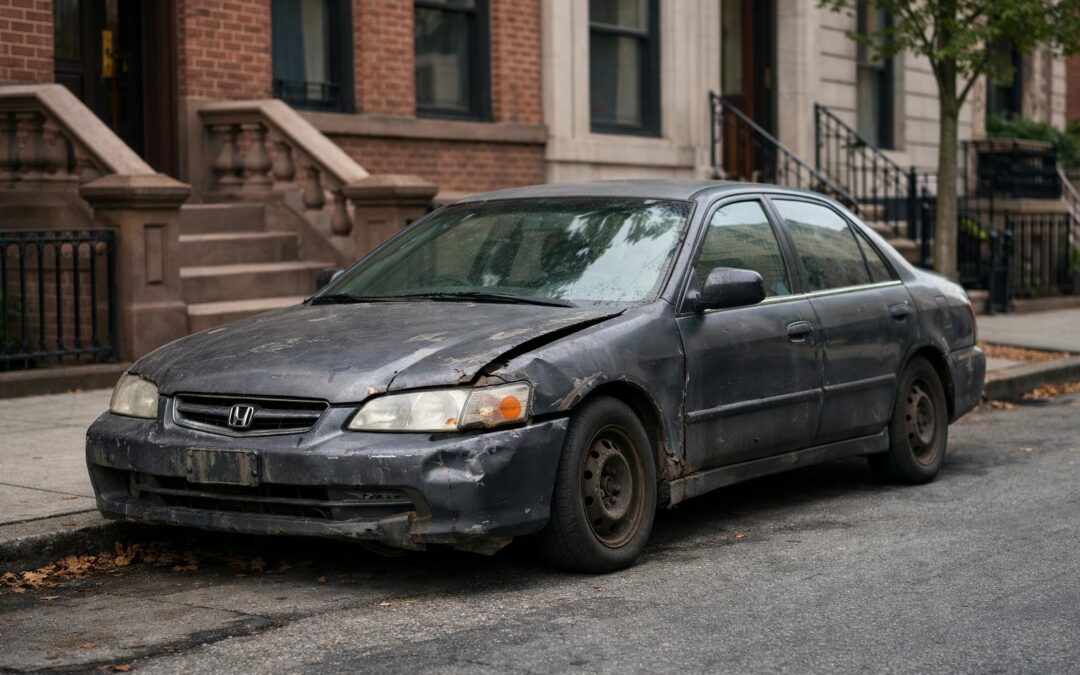
Cash For Vehicles: How To Get Top Dollar For Your Car, Truck, Or SUV
Table of Contents
- What Does “Cash For Vehicles” Really Mean?
- Types Of Vehicles You Can Sell For Cash
- How The Cash For Vehicles Process Works Step By Step
- Documents And Information You Need Before Selling
- How To Maximize The Cash Offer For Your Vehicle
- Common Mistakes To Avoid When Selling For Cash
- Comparing Cash For Vehicles Vs Private Sale Vs Trade-In
- Environmental And Community Benefits Of Cash For Vehicles
- Frequently Asked Questions About Cash For Vehicles
- Conclusion: Is Cash For Vehicles Right For You?
What Does “Cash For Vehicles” Really Mean?
The phrase cash for vehicles describes businesses and individual buyers that purchase cars, trucks, vans, SUVs, and sometimes specialty vehicles in exchange for fast payment. Payment may be made in paper cash, bank transfer, bank draft, or certified check, but the core idea is quick, guaranteed money in return for your vehicle, usually in “as-is” condition.
This service is popular with owners who want to avoid the delays, negotiations, and uncertainty of private sales or the often lower values of dealership trade-ins. Cash for vehicles companies typically:
- Provide free quotes based on basic vehicle details
- Purchase vehicles in a wide range of conditions
- Offer same-day or next-day pickup in many areas
- Handle a large part of the paperwork
Types Of Vehicles You Can Sell For Cash
Many people assume cash buyers want only clean, late-model cars. In reality, most cash for vehicles services are flexible and open to many types and conditions of vehicles.
- Daily drivers – Running cars, trucks, and SUVs you still drive
- Old and high-mileage vehicles – Cars near the end of their useful life
- Damaged vehicles – Collision damage, hail damage, vandalism, or flood history
- Non-running or “dead” cars – Vehicles that will not start or move
- Vehicles with mechanical issues – Engine knocking, transmission slipping, overheating issues
- Junk or scrap vehicles – Cars suitable only for parts or recycling
Some buyers will also consider:
- Work trucks, commercial vans, and utility vehicles
- Luxury vehicles and sports cars
- Classic or collector cars (though these may need specialist buyers)
How The Cash For Vehicles Process Works Step By Step
The basic cash for vehicles process is usually straightforward. While details vary by buyer, the steps are similar almost everywhere.
-
Gather basic details about your vehicle
Before contacting any buyer, collect key information such as make, model, year, mileage, vehicle identification number, and current condition. Having this on hand helps you get accurate quotes quickly.
-
Request quotes from several cash buyers
Reach out to multiple cash for vehicles services or local buyers. Provide the same details to each one so you can compare offers accurately. Many buyers can give a preliminary estimate over the phone or online.
-
Schedule an inspection or pickup
The buyer may confirm the vehicle’s condition in person. For running vehicles, you might meet at a mutually convenient location. For non-running vehicles, buyers often arrange a tow truck at your home, workplace, or storage location.
-
Review and accept the final offer
After inspection, the buyer gives you a firm cash offer. You can accept, negotiate, or decline. If you agree, you will sign over the title and any necessary forms.
-
Get paid and hand over the vehicle
Once paperwork is complete, you receive payment and the buyer takes the vehicle. Payment is often immediate. Always confirm the payment method and verify funds according to your comfort level.
-
Complete final administrative steps
Depending on your region, you may need to notify the motor vehicle authority, cancel your registration, remove license plates, and cancel your insurance.
Documents And Information You Need Before Selling
Being prepared can speed up the cash for vehicles process and help you avoid last-minute issues. Most buyers ask for several key documents and details.
- Vehicle title (or proof of ownership)
- Government-issued ID
- Vehicle registration (if applicable)
- Odometer reading
- Service and repair records (if available)
- Loan payoff information if there is still a lien on the vehicle
- Any keys, remotes, and manuals you have
Without a clear title or proof of ownership, many buyers will not complete the transaction, or they may offer significantly less. If your title is lost, inquire with your local motor vehicle agency about obtaining a replacement before proceeding.
How To Maximize The Cash Offer For Your Vehicle
Even when selling “as-is,” there are simple steps you can take to improve the amount of cash you receive for your vehicle.
-
Clean the interior and exterior
A quick wash, basic interior cleanup, and removal of personal items can make the vehicle appear better cared for and more valuable.
-
Be honest and detailed about the condition
Accurately describe mechanical problems, cosmetic issues, and accident history. Honest descriptions prevent major price reductions when the buyer inspects the car.
-
Gather maintenance records
Receipts for oil changes, tire rotations, and major repairs help prove you maintained the vehicle, which may justify a higher offer.
-
Remove after-market accessories you want to keep
If you have expensive stereos, roof racks, or custom wheels you plan to use on another vehicle, remove them in advance. Many buyers value vehicles in stock or near-stock condition.
-
Get multiple offers and compare
Do not accept the first offer without checking others. Even a difference of a few hundred dollars can be meaningful, especially on older vehicles.
-
Choose the right timing
Seasonal demand can influence offers. For example, buyers may value 4×4 trucks more in winter climates or convertibles more in warmer months.
Common Mistakes To Avoid When Selling For Cash
The convenience of cash for vehicles can tempt sellers to rush. Staying aware of common pitfalls helps you protect yourself and your payout.
-
Not verifying the buyer’s identity
Work only with clearly identified businesses or individuals. Keep copies of all documents and a record of who purchased your vehicle.
-
Accepting unclear or risky payment methods
Avoid payment methods that cannot be verified or reversed. If you are uncomfortable with a particular payment type, negotiate an alternative or choose another buyer.
-
Leaving plates or personal items on the vehicle
Remove license plates where required, and carefully check the glovebox, trunk, console, and under the seats for documents or belongings.
-
Failing to cancel insurance or update authorities
After the sale, promptly cancel or adjust your insurance and follow local rules for notifying motor vehicle authorities that you have sold the vehicle.
-
Agreeing to side deals you do not understand
If a buyer suggests unusual arrangements, such as leaving the title blank or delaying payment, proceed with caution or walk away.
Comparing Cash For Vehicles Vs Private Sale Vs Trade-In
When deciding how to sell your car, it helps to compare your options. The table below highlights typical differences between cash for vehicles, private sale, and dealership trade-in.
| Method | Speed of Sale | Typical Payout | Effort Required | Best For |
|---|---|---|---|---|
| Cash For Vehicles | Very fast (often same-day or within a few days) | Moderate (less than private sale, often more than low trade-ins) | Low (buyer handles most logistics) | Owners wanting quick, hassle-free cash |
| Private Sale | Slow to moderate (days to weeks or more) | Highest potential value | High (advertising, showings, negotiation, paperwork) | Owners willing to invest time for a higher price |
| Dealership Trade-In | Fast (completed during new purchase) | Lower to moderate (convenience focused) | Moderate (limited negotiation, tied to purchase) | Owners buying another vehicle from a dealership |
There is no single “best” option for every seller. Your priorities, timeline, and vehicle condition all influence which method makes the most sense.
Environmental And Community Benefits Of Cash For Vehicles
Selling your vehicle for cash can have broader benefits beyond your wallet, particularly when the buyer recycles or responsibly repurposes older and damaged vehicles.
-
Recycling metals and materials
Many vehicles sold for cash are dismantled and recycled. Steel, aluminum, and other materials are reused, reducing the need for new raw materials and lowering environmental impact.
-
Reusing parts
Usable parts from older or damaged vehicles help other drivers maintain their cars affordably, supporting local mechanics and parts businesses.
-
Reducing abandoned or unsafe vehicles
Removing non-running or derelict vehicles from driveways, yards, and roadsides improves neighborhood appearance and safety.
-
Supporting local jobs
Cash for vehicles companies often employ drivers, mechanics, administrative staff, and recyclers, contributing to local economies.
Frequently Asked Questions About Cash For Vehicles
1. Can I get cash for vehicles that are not running?
Yes. Many cash for vehicles buyers specialize in purchasing non-running, damaged, or mechanically failed cars. They may arrange towing at no cost to you and factor the transport cost into their offer.
2. How is the cash offer for my vehicle calculated?
Offers are typically based on several factors, including the year, make, model, mileage, current market demand, cosmetic condition, mechanical state, and whether the vehicle is suitable for resale, parts, or scrap. Local market conditions and scrap metal prices can also influence the final offer.
3. Do I need a title to sell my vehicle for cash?
In most regions, a clear title is required to legally transfer ownership. Some buyers may work with vehicles that have lost titles under specific conditions, but this may involve extra paperwork and generally leads to a lower offer. It is usually best to obtain a replacement title before selling.
4. How quickly can I get paid when I use a cash for vehicles service?
Many cash buyers can complete the transaction within the same day or within 24 to 48 hours of contacting them, depending on scheduling and your location. Payment is often made on the spot when the title is signed and the vehicle is picked up.
5. Is it safe to sell my car for cash?
Selling can be safe when you take basic precautions. Work with established buyers, meet in safe, public locations when possible, verify payment methods, and carefully review any documents you sign. Do not hand over the keys or title until you are satisfied with the payment arrangements.
6. Will I get more money from a private sale than from a cash for vehicles buyer?
Private sales often bring higher prices, especially for late-model, well-maintained vehicles. However, they also require more time, effort, and risk. Many sellers accept slightly lower offers from cash for vehicles buyers in exchange for convenience, speed, and reduced hassle.
7. Are there fees or hidden charges when I sell my vehicle for cash?
Reputable cash buyers are upfront about any fees, such as towing costs or administrative charges. In many cases, towing is free and there are no separate fees; the buyer simply factors all costs into the final offer. Always ask whether the offer is the exact amount you will receive.
8. Can I sell a financed vehicle to a cash for vehicles buyer?
It may be possible to sell a financed vehicle, but the loan must be paid off as part of the transaction. The buyer may send payment directly to your lender to clear the lien. If the offer is less than the remaining loan balance, you will likely need to pay the difference to obtain a clear title.
9. Do I have to fix my car before selling it for cash?
No. Cash for vehicles buyers generally purchase vehicles “as-is” and expect to handle repairs themselves. In many cases, investing in repairs right before selling will not increase the offer enough to justify the cost, especially for older or high-mileage vehicles.
10. What should I remove from my vehicle before it is picked up?
Remove all personal belongings, documents, electronics, and any accessories you are keeping. Check door pockets, under seats, trunk compartments, and the glovebox. Also remove license plates if required in your area and be sure to clear any stored data in built-in navigation or infotainment systems if applicable.
Conclusion: Is Cash For Vehicles Right For You?
Choosing a cash for vehicles service can be a practical way to turn an unwanted, old, or damaged vehicle into quick money without the stress of private listings or dealership negotiations. By understanding how the process works, preparing your documents, comparing offers, and avoiding common mistakes, you can secure a fair price while saving time.
Whether your priority is speed, maximum payout, or simplicity, evaluating all your options—cash buyers, private sale, and trade-in—will help you make the decision that best fits your situation. With a little preparation, selling your vehicle for cash can be straightforward, secure, and surprisingly rewarding.