Junk My Car: How to Get Cash Fast and Do It the Right Way
Table of Contents
- What Does “Junk My Car” Actually Mean?
- When Should I Junk My Car Instead of Fixing It?
- How the “Junk My Car” Process Works
- Documents and Information You’ll Need
- How Much Is My Junk Car Worth?
- Tips to Get the Most Cash When You Junk Your Car
- Environmental Impact of Junking a Car
- Common “Junk My Car” Scams to Avoid
- “Junk My Car” FAQ
- Conclusion: Turning Your Junk Car into Cash the Smart Way
What Does “Junk My Car” Actually Mean?
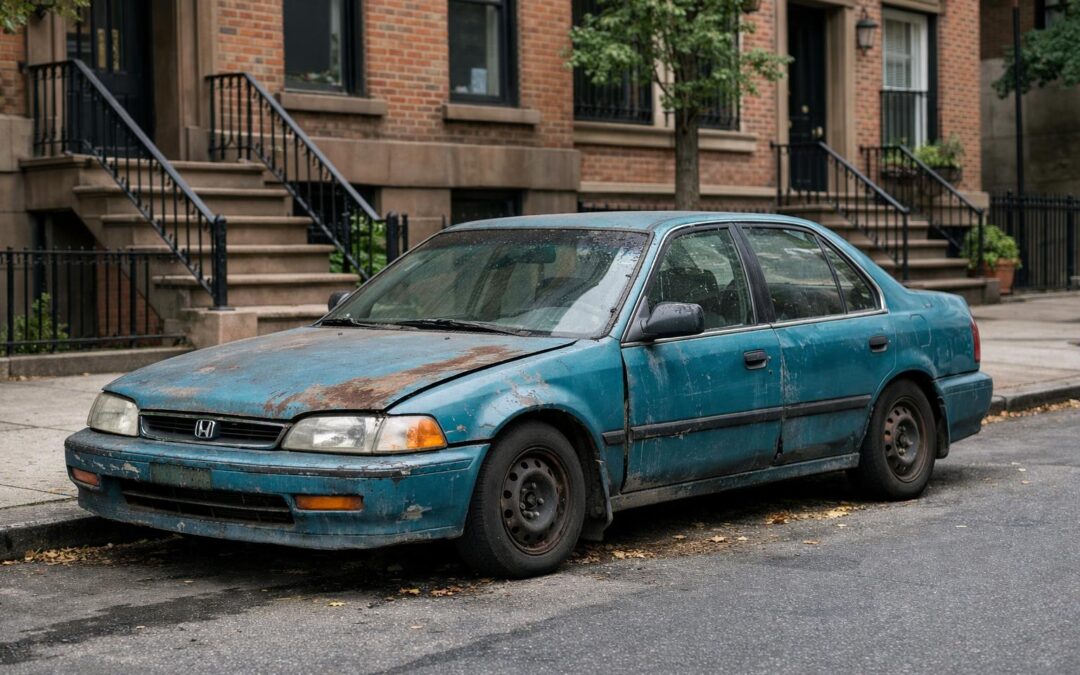
When people say “junk my car”, they usually mean selling a vehicle that is no longer worth repairing, driving, or keeping. These cars are often:
- Too expensive to fix compared to their value
- Not running or unsafe to drive
- Badly damaged in an accident, flood, or fire
- Very old with high mileage and serious mechanical issues
Junking a car usually involves selling it to a junkyard, salvage yard, recycler, or specialized junk car buyer who will either dismantle it for parts or recycle the metal.
In simple terms: “junk my car” means trading a problem vehicle for quick cash, without worrying about fixing or fully restoring it.
When Should I Junk My Car Instead of Fixing It?
Deciding whether to junk your car or repair it comes down to cost, safety, and practicality. Consider junking your car if:
- Repair costs are higher than the car’s value
- The car won’t pass inspection without major repairs
- It’s unsafe due to frame damage, rust, or failing critical systems
- You can’t find parts or repairs are constantly needed
- Insurance declared it a total loss after an accident
A simple rule of thumb: if a single repair costs more than 50–75% of what the vehicle is worth in good condition, it may be time to say, “It’s time to junk my car.”
How the “Junk My Car” Process Works
The process to junk your car is usually fast and straightforward. Here’s a typical step-by-step breakdown:
-
Gather basic info
- Year, make, and model
- Approximate mileage
- Condition (running or not, accident damage, missing parts)
- Title status (clean, salvage, lost)
-
Get offers
- Contact local junkyards or junk car buyers
- Provide vehicle details for a quote
- Compare multiple offers instead of accepting the first one
-
Schedule pickup or drop-off
- Many buyers offer free towing for junk cars
- Confirm whether the offer includes pickup fees or paperwork handling
-
Prepare the car
- Remove personal belongings
- Take off license plates if required in your state
- Cancel your insurance policy
- Prepare the title and ID
-
Complete the sale
- Sign over the title properly
- Confirm the payment method (cash, check, etc.)
- Get a bill of sale if possible
Most “junk my car” transactions can be completed in a day or two, and many junk buyers offer same-day pickup in urban areas.
Documents and Information You’ll Need
Having the right documents ready speeds up the process and protects you legally when you junk your car.
Essential Documents
- Vehicle title (in your name)
- Government-issued ID (driver’s license, ID card)
- Registration (sometimes requested but not always required)
Helpful Extras
- Maintenance records (optional, more helpful for reselling than junking)
- Insurance information (to cancel the policy)
- Any existing payoff or lien paperwork (if the car is not fully paid off)
Some states allow you to junk a car with a lost title by using alternative paperwork, but this varies. Always check your local DMV rules before proceeding.
How Much Is My Junk Car Worth?
When you decide to junk my car, the value depends on multiple factors, not just the age of the vehicle. Below is a comparison table of common factors that influence junk car prices:
| Factor | How It Affects Value | Notes |
|---|---|---|
| Weight and size | Heavier cars often bring more cash | More metal means higher scrap value |
| Current scrap metal prices | Prices rise and fall with the market | Same car can be worth more or less month to month |
| Demand for parts | Popular models may be worth more | Buyers can make extra money parting them out |
| Condition | Running cars usually pay more | Less damage and complete components add value |
| Location | Offers vary by region | Towing distance and local regulations matter |
| Title status | Having a title generally increases offers | No-title cars are harder to resell and sometimes pay less |
In many areas, typical junk car payouts range from a small amount for very old, incomplete vehicles to more for heavier, running, or in-demand models. Getting quotes from several buyers will help you understand the current value range for your specific vehicle.
Tips to Get the Most Cash When You Junk Your Car
You can often increase your payout with a few smart steps before you say “yes” to a junk my car offer.
- Get multiple quotes from different junkyards and buyers
- Be honest but strategic about the condition; do not hide major issues, but highlight anything that still works
- Remove valuable aftermarket parts you can sell separately, such as:
- High-end stereos
- Custom wheels or rims
- Performance parts
- Make sure the car is accessible for towing (not blocked in, keys available)
- Have your title ready to avoid delays and low-ball offers
- Know your basic scrap value so you can recognize very low offers
Sometimes, simply mentioning that you are comparing offers can motivate a buyer to give you a slightly better price.
Environmental Impact of Junking a Car
Junking your car can actually be an environmentally responsible choice if you work with a proper recycler or licensed yard.
- Metal recycling reduces the need for new mining and manufacturing
- Reusable parts keep other cars on the road longer and reduce waste
- Fluids and hazardous materials (oil, coolant, refrigerant, battery acid) should be drained and handled safely
A reputable junk car buyer or auto recycler will follow regulations for disposing of or recycling these materials. When you choose to “junk my car” through a legitimate business, you are helping prevent abandoned vehicles and improper dumping of toxic fluids.
Common “Junk My Car” Scams to Avoid
Most junk car buyers are legitimate, but there are a few scams to watch out for when you decide to junk your car.
-
Last-minute price changes
- Buyer offers one amount by phone, then lowers the price on arrival for no good reason
- Protect yourself by confirming the agreed price and condition details beforehand
-
Hidden towing or processing fees
- Fee deductions from your payout that were never mentioned clearly
- Always ask if towing is free and if there are any extra charges
-
Incomplete paperwork
- Buyer never transfers the title, leaving you liable for future issues
- Make sure the title is signed over properly and keep a copy
-
Suspicious payment methods
- Post-dated checks or partial payments without clear written agreement
- Prefer cash or verified payment at the time of pickup
Trust your instincts. If a buyer pressures you, refuses to answer questions, or seems unwilling to provide basic business information, look for another way to junk your car.
“Junk My Car” FAQ
1. Can I junk my car without a title?
In some states, you can junk a car without a title using alternative documents or special forms, but in many places a title is required. Junkyards and buyers may pay less or refuse the vehicle if you cannot provide a valid title. Always check your local laws and ask buyers what they require.
2. Do I need to be present when they pick up my junk car?
Often, yes, because you must sign over the title and verify your identity. Some buyers allow alternative arrangements if the paperwork is completed in advance, but this depends on local regulations and company policies.
3. How fast can I get paid when I junk my car?
Many junk car services offer same-day or next-day pickup with payment on the spot. Others may take a few days to schedule. Payment is usually made in cash or check at the time of pickup or drop-off.
4. Should I cancel my insurance before or after I junk my car?
You should cancel your insurance after the sale is complete and the title is transferred. Once you have confirmation that the vehicle is no longer in your name, contact your insurance provider to cancel or adjust your policy.
5. Do I need to remove the license plates?
In many states, you must remove and return or keep your license plates when you junk your car. Some DMVs require you to turn in plates to officially cancel registration. Check your local rules so you handle this correctly.
6. Is it better to sell or junk my car?
If your car still runs reliably and can pass inspection, you may get more money by selling it privately. If it is severely damaged, unsafe, or constantly breaking down, junking it is often simpler and more cost-effective. The decision depends on the vehicle’s condition, value, and your willingness to invest time in selling.
7. What if my junk car has no wheels or is missing parts?
Most junk car buyers will still consider vehicles missing parts, but the offer will usually be lower. Some may require special equipment or charge extra for difficult towing, so always mention missing wheels, engine, or transmission when asking for a quote.
8. Can I junk a financed car that I still owe money on?
If there is an active lien and you still owe money, you usually cannot legally junk your car without the lender’s involvement. The lienholder has ownership rights. You may need to pay off the loan first or work out an arrangement with the lender before junking the vehicle.
9. What happens to my car after it is junked?
Depending on its condition, the junk car buyer may resell it for parts, dismantle and recycle it, or crush it for scrap metal. Usable components like engines, transmissions, and body panels might be sold, while fluids and hazardous materials should be drained and processed safely.
10. Can I donate my junk car instead of selling it?
Yes, many charities accept junk car donations directly or through third-party services. They may repair and resell it, sell it at auction, or junk it for scrap value. In some cases, you may receive a tax deduction instead of cash, depending on local tax rules and the charity’s policies.
Conclusion: Turning Your Junk Car into Cash the Smart Way
Deciding to junk my car is often the most practical way to let go of an old, damaged, or unreliable vehicle. By understanding how junk car values are calculated, preparing your documents, comparing offers, and watching out for common scams, you can turn a problem car into quick, hassle-free cash.
Handled correctly, junking your car is not just about clearing space in your driveway; it is about protecting yourself legally, making a smart financial choice, and helping ensure your old vehicle is recycled and disposed of responsibly.