
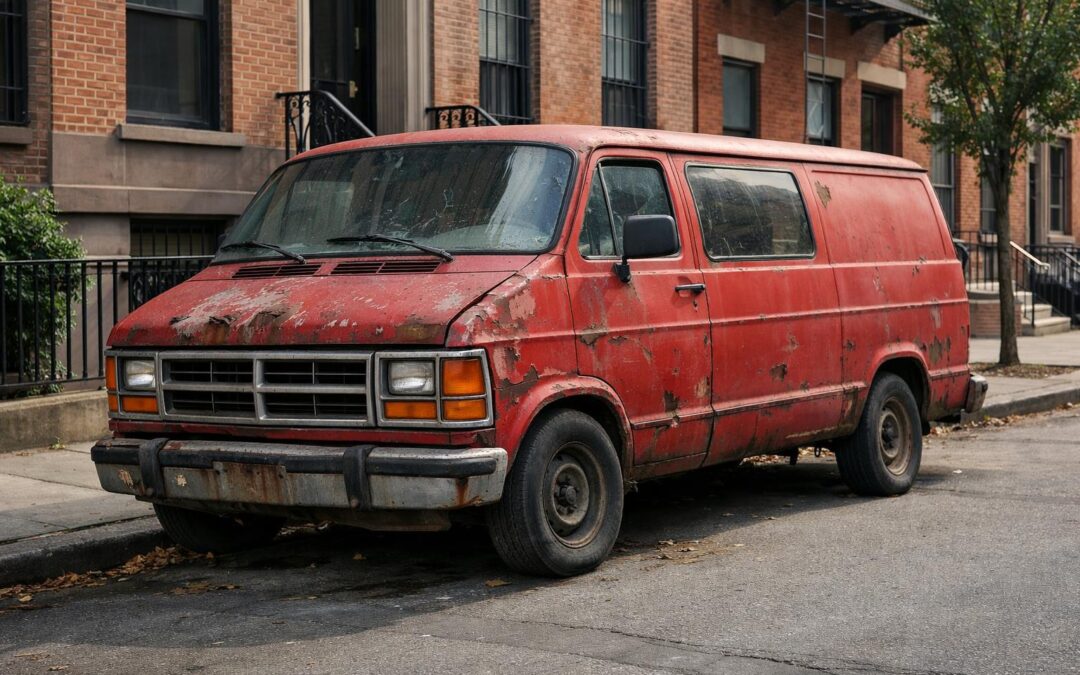
Van Buyers: The Complete Guide to Choosing and Purchasing the Right Van
Table of Contents
- What Is a Van Buyer?
- Types of Vans and Their Best Uses
- Key Factors Van Buyers Should Consider
- New vs Used Vans: Pros and Cons
- Financing Options for Van Buyers
- Inspection Checklist for Serious Van Buyers
- Running Costs and Ownership Budgeting
- Negotiation Tips for Van Buyers
- Frequently Asked Questions for Van Buyers
- Conclusion: Becoming a Confident Van Buyer
What Is a Van Buyer?
Van buyers are individuals or businesses actively looking to purchase a van for personal, commercial, or recreational use. Whether you are a tradesperson, a family needing more space, or an adventurer looking to convert a van into a camper, you fall into the broad category of van buyers.
Understanding your needs, budget, and long-term plans is crucial before you start test driving and viewing vehicles. A well-informed van buyer can avoid costly mistakes, negotiate better deals, and choose a van that truly fits their lifestyle or business model.
Types of Vans and Their Best Uses
Different van types serve different purposes. Before searching listings, van buyers should understand what each style offers.
Panel Vans
Panel vans have solid sides with no rear side windows and are primarily used for transporting tools, equipment, and goods.
- Ideal for tradespeople such as plumbers, electricians, and builders.
- Offer good security for tools and stock.
- Available in short, medium, and long wheelbase versions.
Box Vans and Luton Vans
Box vans and Luton vans feature a box-shaped cargo area, often with a tail-lift.
- Best for delivery companies, removals, and furniture transport.
- Large, square load space maximizes volume.
- Often require more careful driving and parking due to size.
Crew Vans and Double-Cab Vans
Crew vans combine passenger and cargo areas.
- Suitable for teams who travel together with tools and materials.
- Second row of seats behind the driver and front passenger.
- Compromise between van practicality and car-like passenger comfort.
Minibuses and Passenger Vans
Passenger-oriented vans prioritize seating and comfort.
- Perfect for shuttle services, schools, sports teams, or large families.
- Multiple rows of seats with dedicated safety features.
- Often used by community organizations and hospitality businesses.
Camper Vans and Conversion Vans
Camper vans offer sleeping, cooking, and storage facilities.
- Great for road trips, weekend getaways, and full-time van life.
- Can be factory-built campers or custom conversions.
- Often include beds, small kitchens, and storage solutions.
Key Factors Van Buyers Should Consider
Before van buyers commit to a purchase, several core factors must be evaluated to avoid mismatches and hidden costs.
Payload and Cargo Space
Payload is the maximum weight the van can legally carry, including passengers and cargo.
- Check the required payload for tools, stock, or equipment.
- Ensure the load area dimensions match what you intend to transport.
- Overloading can lead to safety issues and legal penalties.
Engine Size and Performance
Engine size and power affect fuel economy, towing capacity, and driving comfort.
- Smaller engines often provide better fuel efficiency for city driving.
- Larger engines are better for regular long-distance or heavy-load use.
- Consider whether you need diesel, petrol, hybrid, or electric power.
Transmission and Drivetrain
Transmission and drivetrain influence driving style and capability.
- Manual transmissions may offer better control and sometimes lower purchase prices.
- Automatic transmissions can reduce driver fatigue in heavy traffic.
- Front-wheel drive, rear-wheel drive, and all-wheel drive each have advantages depending on load and terrain.
Comfort and Safety Features
Modern vans can include many car-like features.
- Safety tech such as ABS, stability control, lane assist, and parking sensors.
- Comfort features like air conditioning, cruise control, and ergonomic seats.
- Infotainment systems, Bluetooth connectivity, and navigation for business efficiency.
Resale Value and Brand Reputation
Resale value matters for long-term planning.
- Some brands and models hold value better due to reliability and popularity.
- Check market prices for similar used vans to estimate future resale.
- Read ownership reviews to gauge typical issues and running costs.
New vs Used Vans: Pros and Cons
Van buyers often struggle with the decision between new and used vehicles. Each route has clear benefits and drawbacks.
| Option | Advantages | Disadvantages |
|---|---|---|
| New Van |
|
|
| Used Van |
|
|
Van buyers should weigh how long they plan to keep the van, their tolerance for repairs, and available capital before deciding.
Financing Options for Van Buyers
How van buyers pay for their van is as important as which van they choose. The wrong finance decision can turn a good van into a financial burden.
Outright Purchase
Paying in full is the simplest option.
- No monthly payments or interest charges.
- Full ownership from day one.
- Ties up capital that could be used elsewhere in a business.
Hire Purchase (HP)
Hire purchase spreads the cost over fixed monthly payments.
- Initial deposit followed by monthly installments.
- You own the van after the final payment.
- Total paid is usually higher due to interest.
Lease or Contract Hire
Leasing allows van buyers to use a van without owning it.
- Lower monthly payments compared to some HP deals.
- Regular replacement with newer vans at the end of the term.
- Mileage limits and wear-and-tear conditions apply.
Business-Specific Finance
Businesses may have additional options.
- Tax-deductible monthly payments or capital allowances depending on structure.
- Fleet deals for multiple vans.
- Specialized commercial vehicle finance with flexible terms.
Tip for van buyers: Always compare the total cost over the full term, not just the monthly payment. Include fees, interest, and any final balloon payment.
Inspection Checklist for Serious Van Buyers
Pre-purchase inspections are essential for van buyers, especially with used vehicles. A careful check can prevent expensive surprises.
Exterior and Bodywork
- Look for rust around wheel arches, sills, door bottoms, and the underside.
- Check for mismatched paint, overspray, or panel gaps indicating previous damage.
- Inspect tyres for even wear and adequate tread depth.
Interior Condition
- Assess seat wear, carpets, and dashboard for signs of heavy use.
- Test all switches, lights, windows, locks, and air conditioning.
- Check the load area for damage, leaks, or poorly done modifications.
Mechanical and Test Drive
- Start the engine from cold and listen for unusual noises or excessive smoke.
- Check for smooth gear changes and responsive brakes.
- Observe steering behavior and suspension over bumps and during turns.
Documents and History
- Verify service history, invoices, and maintenance records.
- Ensure the mileage appears consistent with records and condition.
- Confirm the vehicle identification number matches documents.
Running Costs and Ownership Budgeting
Responsible van buyers think beyond the purchase price and plan for the full cost of ownership.
Fuel and Energy Costs
- Estimate annual mileage and fuel economy to calculate yearly fuel spend.
- Electric vans may have higher purchase prices but lower running costs.
- Consider where and how you will refuel or recharge.
Insurance and Tax
- Get insurance quotes before committing to a specific model.
- Factor in road tax or equivalent local charges.
- Security features and usage type can affect premiums.
Maintenance and Repairs
- Routine servicing, tyres, brakes, and consumables should be budgeted annually.
- Older or high-mileage vans may require more frequent repairs.
- Some brands have cheaper parts and wider availability of independent specialists.
Depreciation
- Depreciation is the single largest cost for many van buyers.
- Popular, reliable models tend to hold value better.
- Keeping a full service history can support resale value.
Negotiation Tips for Van Buyers
Negotiating effectively can save van buyers significant money and secure better terms.
Research Market Prices
- Compare similar vans by age, mileage, specification, and condition.
- Identify a realistic price range before viewing.
- Use this knowledge to justify your offers.
Timing and Flexibility
- Dealers may be more flexible near month-end or quarter-end sales targets.
- Being open to different colors or trim levels can unlock discounts.
- For used vans, private sellers may accept lower offers for a quick sale.
Separate the Van Price from Extras
- Negotiate the base price first, then discuss extras such as warranties or accessories.
- Be wary of expensive add-ons that do not add real value.
- Ask for small upgrades or services to be included rather than paid separately.
Be Prepared to Walk Away
- If a deal does not feel right, leave your number and walk away.
- There will always be other vans; do not buy under pressure.
- Staying calm and confident often leads to better offers.
Frequently Asked Questions for Van Buyers
How do I know which van size is right for me?
Start by listing what you need to carry and how many passengers will travel regularly. Measure bulky items and compare them to the internal dimensions of potential vans. Van buyers should also consider where the van will be parked; long or high vans may not fit in standard parking spaces, low car parks, or garages.
Is diesel still a good choice for van buyers?
Diesel remains popular among van buyers who cover high mileages or regularly carry heavy loads because of its fuel efficiency and torque. However, emissions regulations, local low-emission zones, and future restrictions should be considered. For mostly short urban trips, petrol, hybrid, or electric options may be more suitable.
What mileage is too high for a used van?
There is no single mileage limit, but van buyers should weigh mileage against service history, usage type, and condition. A well-maintained van with higher motorway mileage can be more reliable than a low-mileage van that has done only short, stop-start trips. As mileage rises, budget more for maintenance and potential repairs.
Should van buyers pay for a professional inspection?
For used vans, a professional inspection is often worth the cost, especially for high-value purchases. An experienced mechanic can identify structural rust, past accident damage, and mechanical issues that may not be obvious to the average van buyer. The inspection report can also support your negotiation.
How important is service history for van buyers?
Service history is very important. A full, documented service history suggests the van has been maintained properly, reducing the likelihood of major hidden problems. Van buyers should be cautious with vans that have large gaps in their history or missing paperwork, especially if the price seems unusually low.
Can I convert a regular panel van into a camper?
Yes, many van buyers turn standard panel vans into camper vans. Before starting, check local regulations about modifications, seating, and safety. Plan insulation, wiring, ventilation, and weight distribution carefully. Some van buyers choose to work with professional converters to ensure safety and compliance.
What is the difference between payload and towing capacity?
Payload is the maximum weight the van can legally carry inside, including passengers and cargo. Towing capacity is the maximum weight the van can pull behind it on a trailer. Van buyers should not confuse the two, and must stay within both limits to remain safe and legal.
Do van buyers need special insurance?
If you use your van for business, you may need commercial vehicle insurance rather than standard private cover. This can include carriage of tools, goods for hire and reward, or multiple drivers. Van buyers should be clear with insurers about how the van will be used to ensure valid coverage.
Is an electric van suitable for all van buyers?
Electric vans work well for van buyers with predictable daily routes, access to charging, and mainly urban driving. They offer lower running costs and zero tailpipe emissions. However, range, charging infrastructure, and purchase price may limit suitability for long-distance or rural use.
How long should van buyers keep a van before replacing it?
This depends on mileage, reliability, and business needs. Many van buyers keep a van until maintenance costs start rising significantly or reliability becomes an issue. Others operate on a planned replacement cycle, such as every three to five years, to keep fleets modern and minimize downtime.
Conclusion: Becoming a Confident Van Buyer
Van buyers who approach the process with clear goals, solid research, and a careful inspection routine are far more likely to end up with a reliable, cost-effective vehicle. By understanding the different types of vans, weighing new versus used options, planning finance and running costs, and negotiating firmly yet fairly, you can secure a van that supports your work, family, or adventures for years to come.
Take your time, ask questions, and never be afraid to walk away from a poor deal. With the right preparation, van buyers can turn the complex world of van purchasing into a straightforward, rewarding experience.